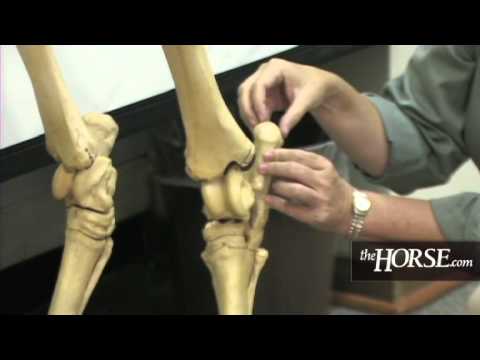
You know what’s wild? Horses can run up to 55 miles an hour! That’s like a car speeding down the highway. But have you ever thought about how their legs do all that work?
It’s not just muscle and speed. Beneath that sleek surface is this incredible bone structure doing heavy lifting.
Seriously, understanding horse leg anatomy kinda opens your eyes to how these animals work. I mean, it’s one thing to see ‘em galloping across a field, and another to know how their bones are all set up for action.
So, let’s take a peek inside those magnificent limbs and see what’s really going on!
Understanding Horse Leg Anatomy: A Detailed Exploration of Tendons and Their Functions in Equine Biology
So, let’s chat about something pretty interesting: horse leg anatomy, especially the tendons and their roles. You might not have thought about it, but a horse’s legs are like complicated machines—each part serves a purpose. So, here’s a rundown.
The horse’s leg is made up of bones, muscles, and connective tissues. Now, when we talk about **tendons**, we’re referring to those strong bands that connect muscles to bones. They play a huge role in how horses move around.
One of the main tendons you should know about is the **superficial digital flexor tendon**. This one runs along the back of the leg and helps flex the hoof when a horse runs or walks. Imagine how tough it must be! It carries a lot of weight and stress during all those gallops across fields.
Another important tendon is the **deep digital flexor tendon**. It goes deeper into the leg and supports essential functions like helping with shock absorption as a horse strides forward. Think of it as a spring—when it stretches out during movement, it helps cushion impacts.
Now let’s consider how these structures work together—it’s like a careful dance! The muscles contract to pull on the tendons, which then move the bones at joints like the fetlock or knee (or carpus). This connection allows horses to do amazing things—like jump or sprint fast across an open field!
But there’s more: tendons also carry specific characteristics that make them unique. For example, they are really tough but also slightly elastic. This means they can stretch without snapping under pressure, which is super crucial for athletic performance.
However, all this power comes with potential risks too! Tendon injuries are pretty common in horses—especially in racehorses or those that do heavy work—and can lead to significant problems down the line if not treated properly.
In conclusion, understanding these tendons is essential for anyone who loves or works with horses. They’re not just names in anatomy; they’re vital parts that keep our magnificent friends moving gracefully and efficiently. So next time you see a horse galloping by, you might just have this cool insight into what’s happening in their legs!
Exploring the Anatomy of the Horse Leg: A Comprehensive Study in Equine Biology
The horse leg is a masterpiece of engineering in nature. Seriously, it’s strong yet graceful, built for speed and endurance. Let’s break it down together.
First off, the structure of a horse leg is pretty complex. Each leg has three main components: the upper leg (the thigh), the lower leg (the shank), and then there’s the foot. Each part plays a role in allowing the horse to move with agility.
- The Upper Leg: This includes the femur, which connects to the pelvis. It supports powerful muscles that drive movement.
- The Lower Leg: Here we find the tibia and fibula. The tibia bears most of the weight, while the fibula is smaller and doesn’t carry much load.
- The Foot: This is where things get really interesting! The horse foot is like a solid shock absorber, consisting of bones like the coffin bone, navicular bone, and various others that help support balance.
Plus, there are joints at every junction! Like at the knee (which is kinda like our human knee) and in the ankle with those pesky tiny bones that help with flexibility. These joints allow horses to pivot quickly while running or turning sharply.
Now, let’s chat about muscles! Oh man, they’re crucial. Muscles are what give horses their power. Key muscles run along their legs, helping them lift and push off from the ground. Think of it as your own legs powering through a sprint—without those muscles, you’d just be standing still!
But here’s where it gets tricky: despite being super strong, horse legs can also be prone to injuries. Splints or fractures can happen if a horse overuses or misuses its legs—especially during intense activities like racing or jumping.
You remember that time when your friend took a tumble while riding? Not fun to watch; you probably thought about how fragile things can be despite how powerful they seem! Yeah, same goes for horses. Their anatomy makes them stunning athletes but also leaves them vulnerable if not taken care of properly.
So what’s all this anatomy got to do with daily life? Well, understanding this structure helps farmers and vets take care of horses better—like when spotting signs of injury or deciding on training methods that suit each horse’s unique build.
To wrap this up: Horse legs combine strength and finesse through an intricate structure of bones and muscles. They’re built not just for looks but for function—getting these graceful creatures to gallop across fields!
So next time you see a horse running free under blue skies, just think about all that amazing anatomy working perfectly together—it really is something special!
Understanding Horse Leg Anatomy: A Detailed Examination of Joint Structure and Function
Horse legs are truly fascinating, right? They’re like a masterpiece of evolution, built for speed and strength. So, let’s take a closer look at the anatomy of horse legs, particularly focusing on their joint structure and function.
First off, horse legs are designed to bear a lot of weight while allowing for impressive movement. Each leg has three main sections: the femur(upper leg), the tibia and fibula (lower leg), and then there are also the bones in the hoof area. But let’s zero in on the joints—they’re where all the magic happens.
The major joints in a horse’s leg include:
- The Stifle Joint: This is like your knee. It connects the femur to the tibia and allows for bending and straightening.
- The Fetlock Joint: Often compared to our ankle, this joint connects the long pastern bone to the cannon bone. It absorbs shock when they gallop or jump.
- The Hock Joint: Equivalent to an ankle but more complex! It’s made up of several small bones that allow flexibility and movement.
- The Pastern Joint: Located between the pastern bones, this joint plays a critical role in shock absorption as well.
You see, each joint has specific functions that help the horse move fluidly. The stifle is crucial for supporting weight as it carries most of it during motion. When you watch a horse run or jump, notice how elegantly they move? That’s all thanks to these intricate joints working together!
An interesting thing about horse anatomy is that they have very little ability to bend their knees backward—this is because their legs evolved primarily for speed. When you think about galloping across an open field, those joints need to be strong yet flexible enough to handle stress without breaking.
If you’ve ever seen a horse sprinting, you’ll notice how they extend their front legs forward with powerful strides. This action relies heavily on not just muscle strength but also on how well those joint structures work together. Each step involves coordination that looks effortless but involves intricate mechanics!
You might also find it cool how horses can have different types of leg conformations affecting their performance—like how some horses are better sprinters while others excel at endurance riding due to their joint angles and bone lengths.
Caring for these magnificent joints is vital too! Horse owners often pay attention to things like nutrition and exercise routines because healthy joints lead to longer careers for these athletes. Just one slip can cause injuries in those delicate joint areas; it’s kind of heartbreaking if you think about it!
So there you go! Understanding horse leg anatomy gives us insight into not just how they move but also what makes them special creatures worthy of awe from all who see them gallop by. Isn’t nature amazing?
So, you know, horses are just incredible creatures. They’re not only strong and fast but also have these fascinating bodies that work together like a well-oiled machine. If you ever get a chance to look closely at a horse’s legs, it’s pretty mind-blowing. I mean, the bone structure is super cool and plays such a huge role in how they move.
Let’s talk bones for a sec. A horse’s legs are built for speed and endurance, right? They’ve got long, slender bones in the lower leg called the cannon bone and splint bones. These are designed to absorb shock when they gallop across fields or jump over fences. Just imagine the power behind that! When I was younger, my neighbor had this beautiful thoroughbred who could just leap over anything—like it was nothing! Watching him take off and seeing those strong legs in action gave me goosebumps.
Now, here’s where it gets interesting. The knee joint in horses is actually similar to our human knee but way more complex—because they need that extra support. Horses have unique tendons and ligaments that allow them to be flexible yet strong all at once. It’s like nature knew exactly what they needed to thrive in different environments—from racing on a track to working on farms.
And don’t even get me started on their hooves! They’re kind of like the icing on the cake when it comes to leg anatomy. Hooves protect the sensitive structures inside while acting like springs to help absorb impact. Isn’t that wild? Just think about how much load those little guys carry with every stride!
When you consider all this together—the bones, joints, ligaments—it’s seriously amazing how everything functions as a unit! All of these parts work harmoniously so horses can do what they do best—run free, jump high, and carry us along for exciting rides.
So yeah, while we often admire their beauty from afar or during competitions, taking a moment to appreciate what’s going on under the surface makes you realize just how special these animals really are!