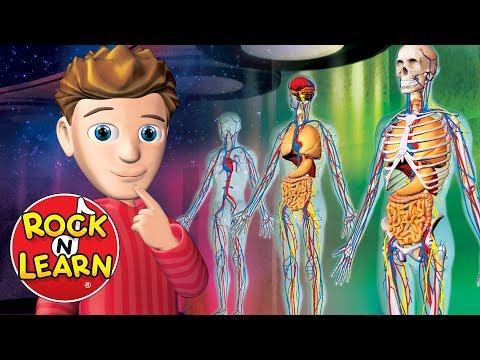
You know what’s wild? Our bodies are basically like a super complex city. Seriously! Each organ is like a building doing its own thing, but working together to keep everything running smoothly.
So, imagine if we could take a tour of this city. Picture yourself hopping around from the heart to the lungs, then swinging by the kidneys. Sounds fun, right? Well, that’s kind of what visualizing the human organ system is all about.
It’s not just about knowing where things are; it’s understanding how they all connect. Think of it as learning the inner workings of your favorite gadget—minus the confusing manuals and tech jargon!
And you know, I remember back in school when my science teacher pulled out those oversized diagrams. I was totally lost at first—like, why did everything look so cartoonish? But with a bit of imagination, those drawings turned into something incredible. They showed me how every piece played its part in this amazing machine called life.
So let’s dig into this fascinating world! You might just find that understanding our bodies can be an adventure in itself.
Exploring the 11 Human Body Systems: Functions and Interconnections in Biological Science
The human body is an intricate system, like a complex machine where everything works together in harmony. So, when you hear about the **11 human body systems**, think of them as different parts of this huge team, each with its own job but always working together. Let’s break it down.
1. Circulatory System: This system is all about blood. It pumps oxygen and nutrients to cells through blood vessels and helps remove waste products. Imagine it as a delivery service for your body! The heart is the central hub that keeps the blood moving.
2. Respiratory System: Here’s where we get our oxygen and get rid of carbon dioxide. The lungs are the main players, expanding and contracting as we breathe in and out. You ever notice how your breath changes when you’re excited or nervous? That’s this system working hard!
3. Digestive System: Think of this as your body’s processing plant. It breaks down food into nutrients that fuel us. From the mouth to the stomach, and then through intestines, everything’s designed to extract what our bodies need.
4. Nervous System: This one’s like the control center for everything! It processes information from the senses and sends signals to different parts of the body to respond appropriately—like pulling your hand back from something hot without even thinking about it!
5. Musculoskeletal System: This two-part team includes muscles and bones, which give us structure, protect organs, and help us move around. Ever tried dancing? That’s your muscles working in sync with bones!
6. Endocrine System: Hormones are the stars here! They help regulate various functions like growth, metabolism, and mood swings—like when you really want that slice of cake after a long day.
7. Immune System: Our body’s defense against germs! It detects invaders (like viruses) and takes action to fight them off with a range of cells that are always on guard—making it a fascinatingly powerful aspect of our biology.
8. Integumentary System: Your skin is part of this group! Beyond just being a protective layer, it also helps regulate temperature and senses touch—ever felt the warmth of sunlight on your skin?
9. Urinary System: This one’s up for cleaning house! It gets rid of waste products through urine formed in kidneys—it’s like your body’s filter system keeping everything balanced.
10. Reproductive System: This system allows for reproduction; it’s where new life begins! Each gender has unique organs that play crucial roles in producing sperm or eggs—think about how amazing life can start from just one cell!
11. Lymphatic System: Often overlooked but super important! It complements the circulatory system by removing excess fluids from tissues and helping fight infections through lymph nodes scattered throughout your body.
All these systems don’t work alone; they constantly communicate with each other to keep you functioning smoothly every day.
- Your heart rate might speed up because you’re excited (nervous + circulatory!)
- You might feel hungry (digestive + endocrine).
- If you’re sick (immune), you might feel tired (nervous!) because fighting off those germs takes energy.
When these systems work together seamlessly, that’s when you feel good & full of energy! It’s a reminder that our bodies are incredible machines designed to adapt and thrive under various circumstances—kind of makes you appreciate every little thing going on inside you, doesn’t it?
Exploring the 12 Body Systems and Their Essential Functions in Human Biology
When you’re thinking about the human body, it’s like a really complex machine, right? Each part has its role, and together they function to keep everything running smoothly. So, let’s take a closer look at the 12 body systems and their essential functions. It’s pretty cool stuff!
- The Circulatory System: This is like your body’s delivery service. It pumps blood through your veins, delivering oxygen and nutrients while picking up waste products to be disposed of.
- The Respiratory System: Think of this as your body’s way of breathing. It takes in oxygen when you inhale and gets rid of carbon dioxide when you exhale. The lungs are key players here!
- The Digestive System: This system breaks down food into nutrients that your body can use for energy. From chewing to stomach acids, it’s all about turning meals into fuel.
- The Nervous System: Imagine this as your body’s communication network. The brain sends messages through nerves to control everything from movement to thoughts.
- The Muscular System: Here’s where your muscles come into play! They help you move around by contracting and relaxing. Without them, we’d just be lumps sitting there.
- The Skeletal System: Your bones give you structure and support, kind of like scaffolding for a building. They protect vital organs too—think ribs protecting the heart!
- The Endocrine System: This one’s fascinating! It uses hormones to regulate things like growth, metabolism, and mood. It’s like a little messenger system that controls lots of processes in the body.
- The Immune System: This is your body’s defense squad! It fights off germs and diseases to keep you healthy, working like a shield against invaders.
- The Integumentary System: Basically, this includes your skin, hair, and nails. It protects your insides from outside damage while also helping regulate temperature.
- The Urinary System: Ever need a bathroom break? That’s this system at work! It removes waste from the blood and helps balance fluids in the body using kidneys and bladders.
- The Reproductive System: You know how life continues? This is it! This system produces sex cells and facilitates reproduction so that we can have future generations.
You might think it’s all complicated—like trying to solve a tough puzzle—but each system works together perfectly! For example, consider when you’re running: your muscles need energy from food (thanks digestive), which needs oxygen (thanks respiratory), while your heart races (thanks circulatory) to pump blood around fast enough. Isn’t it amazing how interconnected we are?
If you ever stop to think about all these systems working together daily without us even noticing… it really makes you appreciate what our bodies can do! Each one has its part in keeping us alive and functioning well—like a symphony where every instrument matters.
Exploring the 7 Essential Organ Systems of the Human Body: A Comprehensive Guide to Human Anatomy and Physiology
So, let’s chat about the human body for a sec! It’s this crazy, intricate machine that runs on all these different systems, and there are seven key players that keep everything ticking smoothly. Each of these organ systems has a unique role, and together they help you function day to day. Here’s a little breakdown of what they do and why they’re essential.
1. Circulatory System
This system is your body’s transport network. You get blood flowing all around with the heart acting like a pump. Think of it as a delivery service! Blood vessels, including arteries, veins, and capillaries, carry oxygen and nutrients to your organs while taking away waste products. It’s kind of like how you gotta take out the trash after a big party—your body needs to do the same!
2. Respiratory System
Ever taken a deep breath? That’s your respiratory system at work! This one helps you take in oxygen and get rid of carbon dioxide. The key players here are the lungs, trachea, and bronchi. Imagine them as your personal air filters—always working hard so you can enjoy fresh air.
3. Digestive System
Eating is pretty essential for life, right? The digestive system breaks down food into nutrients your body can use. You’ve got organs like the stomach and intestines doing heavy lifting here. It’s sort of like cooking—you take raw ingredients (food) and transform them into something tasty (nutrients), making everything deliciously usable.
4. Nervous System
This system is basically your body’s communication network. The brain sends signals through nerves telling different parts what to do—like when you stub your toe! Ouch! It processes information from around you too; kind of like having a super-responsive alert system that keeps everything in check.
5. Muscular System
Want to wave hello or kick a ball? Thank your muscular system! Muscles help us move around by contracting and relaxing in response to signals from the nervous system. There are three types: skeletal muscles (the ones you control), smooth muscles (found in places like your stomach), and cardiac muscle (only found in the heart). So every time you flex or stretch, know that muscle magic is happening!
6. Skeletal System
Okay, so if muscles let you move about, bones give you structure! The skeletal system protects vital organs while also supporting your body weight; think of it as scaffolding on a building—it keeps everything steady so nothing collapses under pressure!
7. Immune System
Last but definitely not least is the immune system—it fights off infections and keeps us healthy! This army includes cells like white blood cells that attack bacteria or viruses trying to invade our bodies’ territories.
So there we have it: seven distinct systems working in harmony every single day so we can live our lives fully—I mean how cool is that? Just think about how magical our bodies are; every heartbeat or breath relies on these intricate networks coming together seamlessly!
When you think about the human body, it’s pretty wild, right? I mean, there’s so much going on inside us that we can’t even see. All these organs working together like a complex symphony. Seriously, have you ever tried to picture how your heart pumps blood while your lungs are busy getting oxygen? It’s a lot to wrap your head around!
I remember back in school when we first learned about the organ systems. We had this amazing teacher who would bring in big posters and models; you know, the ones with bright colors and labels everywhere. Those visuals totally changed the game for me. I could see how everything linked together—kind of like a jigsaw puzzle where each piece is essential for making the whole picture work. It was easier to grasp how things functioned when I could look at them instead of just reading from a textbook.
Visualizing these systems isn’t just helpful for students; it really makes science feel alive! When you can see something, it becomes relatable, doesn’t it? Like when you watch an animated video showing food traveling through the digestive system or a heart beating rhythmically on screen. Suddenly you’re not just memorizing terms; you’re connecting with what those organs do every moment of every day.
But here’s the thing: Not everyone learns the same way. Some folks might prefer diagrams or infographics, while others might be more into interactive simulations or games that allow them to experiment and explore. The beauty of using visuals in science education is that it opens up different pathways for understanding. It makes learning inclusive and engaging.
And then there’s technology! Wow! With virtual reality and augmented reality apps popping up everywhere, we can hop into our own body’s inner workings like never before. Imagine putting on VR goggles and walking through a 3D model of your circulatory system! That kind of immersive experience can spark curiosity and inspire future scientists or doctors.
All in all, visualizing our organ systems feels crucial as we look toward making science education vibrant and accessible for everyone. Life’s complicated enough without adding layers of confusion about how our bodies work! So yeah, let’s keep those visuals coming; they’re key in making science not just understandable but also exciting! Knowing how everything fits together helps us appreciate life itself a little more deeply, doesn’t it?