You know that feeling when you forget where you left your keys? Or maybe you walked into a room and totally blanked on why you went in there? It’s funny until it starts happening more often, right?
Well, imagine living with that fuzzy brain all the time. That’s what some folks with neurodegenerative diseases face. It’s not just the keys; it can be their entire sense of self slipping away.
One culprit in this messy game is something called the Huntingtin gene. Yeah, it sounds like a character from a video game or an elite hunting club, but it’s way more complex than that! This little piece of DNA plays a big role in conditions like Huntington’s disease and even impacts other neurodegenerative disorders.
Let me break it down for you. You’ll see how something so tiny can shake up lives in such a huge way. Cool?
Comprehensive Review of the Pathophysiology of Huntington’s Disease: Downloadable PDF Resource for Researchers and Students
Huntington’s disease is a tricky and complex condition, so let’s break it down, alright? Basically, this neurodegenerative disorder is caused by a genetic mutation. More specifically, it relates to the Huntingtin gene located on chromosome 4. When this gene mutates, it leads to an abnormal version of the huntingtin protein. This has some pretty serious consequences for your brain!
So, what exactly happens in the brain? Well, this mutated protein can mess with many cellular processes. Here’s where it gets interesting—when the huntingtin protein goes haywire, it triggers a cascade of events that ultimately leads to neuronal death. You might be picturing neurons like tiny light bulbs flickering out one by one as they get affected.
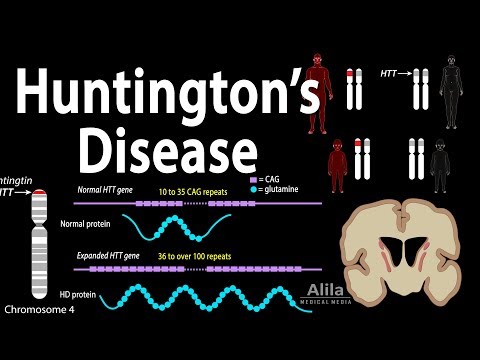
Now let’s get a bit technical but not too overwhelming. The mutation in the Huntington gene causes an expanded sequence of CAG repeats. You know how words can be stretched out for emphasis? That’s kind of what happens here! Normally, this section is repeated about 10 to 35 times but in people with HD (that’s Huntington’s disease), it can repeat over 40 times! The longer these repeats are, the earlier and more severe the symptoms tend to be.
This leads to something called apoptosis, which is like programmed cell death—the neurons in specific areas of the brain start shutting down like they’re on a timer! The basal ganglia and cortex are particularly affected, which explains why people with Huntington’s might struggle with movement and cognitive tasks.
There’s also another layer! The abnormal huntingtin protein interacts poorly with other proteins and cellular machinery. It clumps together and creates what we call “inclusions.” Think of them as unwanted guests at a party that just won’t leave; these inclusions disrupt normal cell function.
In terms of research resources for those diving deeper into this topic—hey there researchers and students—you’ll want comprehensive reviews available online to help you navigate through all this complex stuff. Yes, downloadable PDFs are handy! They often discuss pathways involved in neurodegeneration caused by mutant huntingtin protein.
Here are some key points worth remembering:
- Genetic basis: A mutation in the Huntingtin gene leads to repeat expansions.
- Protein misfolding: Abnormal huntingtin interferes with crucial cellular functions.
- Neuronal death: This results from disrupted signaling pathways and apoptosis.
- Basal ganglia impact: Movement difficulties arise due to degeneration in areas responsible for coordination.
It’s important to note that Huntington’s disease usually appears in adulthood but can vary widely from person to person—some folks might notice symptoms in their thirties while others may not until later on. Watching someone go through this can be devastating; I remember seeing a family friend struggle with it—it was heartbreaking yet eye-opening. The way degenerative diseases change lives really puts things into perspective.
So yeah, if you’re researching Huntington’s or just curious about neurodegenerative diseases overall, understanding how each part fits together makes all sorts of sense! Keep digging into those resources—you never know when something might click for you!
Understanding the Dominance of Huntington’s Disease: Genetic Mechanisms and Implications in Science
So, let’s talk about Huntington’s disease. It’s one of those conditions that really shows how our genetics can mess with our lives in some pretty big ways. Basically, it’s a neurodegenerative disorder that’s inherited, and it leads to the gradual breakdown of nerve cells in the brain. This can result in all sorts of movement, cognitive issues, and emotional problems. And here’s the kicker: it all traces back to a tiny thing called the Huntingtin gene.
The Huntingtin gene is found on chromosome 4, and what happens is this: there’s a specific part of this gene that has a repeated sequence. It’s like a little piece of code that keeps getting copied—specifically, it’s called CAG repeats. In people without Huntington’s disease, this sequence usually repeats less than 36 times. But if it goes over that—especially if it hits 40 or more—you’re looking at trouble.
When those CAG repeats show up in excess, the protein produced by the Huntingtin gene becomes abnormal. It’s like if you were making cookies and someone kept adding more and more flour—you end up with something unappetizing! This altered protein starts causing cellular chaos in neurons.
- Protein Aggregation: The mutant Huntingtin protein tends to clump together inside cells, forming structures called aggregates. These aggregates are toxic and disrupt normal cell function.
- Cellular Processes Disruption: Neurons start going haywire because these aberrant proteins interfere with vital processes like energy production and transportation within the cell.
- Apoptosis: Ultimately, affected neurons may die off—a process known as apoptosis—which is basically programmed cell death.
I remember chatting with a friend whose family had been touched by Huntington’s disease for generations. He talked about how he watched his grandmother lose herself to it over time; she used to be so vibrant and full of life, but gradually became trapped within her own body. It hits you hard when you see how such a tiny change at the genetic level can lead to big heartbreaks for families.
The symptoms often begin appearing around middle age—though sometimes folks can show signs as early as their twenties or thirties—and they can include everything from chorea (those uncontrollable movements) to cognitive decline and mood swings. It’s not just individual suffering but also affects entire families trying to cope with this ongoing battle.
This brings us to the implications for science and research! Understanding how this gene works opens doors for potential treatments down the road. Scientists are diving into everything from exploring gene therapy, which aims to correct or replace faulty genes, to potential drugs that might slow down or stop disease progression.
- Pioneering Research: Researchers are investigating small molecules that might help prevent the formation of those toxic aggregates.
- Potential Treatments: There are also trials looking at antisense oligonucleotides—these are like little molecular bullets aimed directly at silencing problematic genes!
The bottom line here? While Huntington’s disease might be tied closely with genetics—incredibly complex stuff—we’re learning more every day about its mechanisms and exploring new paths for treatment that could one day make life easier for those impacted by this condition.
You see? The world of genetics is wild! And while there remains much work ahead in terms of understanding Huntington’s fully—and helping those affected—the progress gives us hope for tackling these challenging genetic conditions head-on!
Huntington Disease: Comprehensive Research PDF and Insights for Scientific Study
Huntington’s Disease is a genetic disorder that’s like a thief in the night, slowly taking away your movement, cognition, and emotional stability. Imagine being full of life one moment and then struggling to keep track of simple tasks the next. It’s pretty heartbreaking.
At the heart of this disease lies the Huntingtin gene. You see, everyone has this gene, but in folks with Huntington’s, there’s a glitch: an abnormal expansion of CAG repeats. These are just sequences of DNA that repeat over and over again. Usually, we might have 10 to 35 repeats; in Huntington’s patients, it can jump up to 40 or even higher! This genetic hiccup leads to the production of a mutated version of the huntingtin protein.
Now, you might be wondering how this tiny mutation causes such massive problems? Well, when the huntingtin gene acts up, it creates a protein that’s toxic to your brain cells. Over time, these toxic proteins accumulate and lead to neuronal death—basically killing off brain cells—and that’s where the real trouble begins.
Here’s another thing: neurodegeneration. That’s what happens during Alzheimer’s or Parkinson’s too. In Huntington’s case, it’s particularly cruel because it affects both motor functions and cognitive abilities. People start experiencing involuntary jerking movements (called chorea), changes in behavior or mood swings—like flipping a switch—and even issues with memory.
The research on Huntington’s is ongoing and incredibly important for understanding not just this disease but also others like it. Scientists dig into how different proteins interact within neurons and explore potential therapies. Some are looking into ways to silence that pesky mutated gene using something called CRISPR technology—kind of like editing out a word from a document. Wouldn’t it be amazing if we could fix it?
And while progress is being made, living with Huntington’s is not easy for families affected by it. There can be psychological strain as well as physical challenges that come with caregiving roles.
So yeah! That’s a glimpse into Huntington’s Disease and its nasty little gene—the huntingtin gene. It shows how something so small can have such big consequences for people’s lives! The journey for understanding continues as researchers explore ways to manage symptoms or even potentially cure this devastating illness someday soon!
You know, the huntingtin gene is one of those things that might sound a bit complicated at first, but when you dive into it, it’s like peeling back layers of an onion. This gene is responsible for producing a protein called huntingtin, and it’s super important, especially in the brain. Imagine your brain as a bustling city; every neuron is like a building that needs to be properly maintained and connected.
Now, here’s where it gets a bit gnarly. When there’s a mutation in this gene—like what happens in Huntington’s disease—it can throw everything out of whack. The huntingtin protein starts behaving badly and can build up in harmful ways. This buildup disrupts communication between neurons and eventually leads to those devastating symptoms we see in neurodegenerative diseases—problems with movement, mood swings, cognitive decline…you name it.
I remember talking to a friend whose family has been touched by Huntington’s disease. Hearing their stories about the challenges faced was heart-wrenching. It made me realize how those tiny changes in our genes can have such massive impacts on life quality and family dynamics. The emotional weight of dealing with these conditions is something that can’t be understated.
What’s pretty interesting is that researchers are digging deep into the role of huntingtin not just to find treatments but also to understand how our genes influence our brains over time. You could say they’re trying to piece together a puzzle where some pieces are missing or don’t even fit quite right anymore.
So yeah, while we might not have all the answers about the huntingtin gene yet, every little bit of research helps illuminate this complex relationship between our genes and neurodegenerative diseases. It’s kind of like being detectives in an ongoing mystery—you never know what you might uncover next!