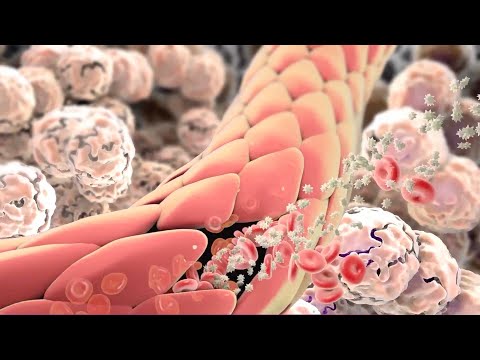
You know that time you stubbed your toe and it turned red, swollen, and hurt like crazy? Well, that’s inflammation at work! Crazy how something so annoying is actually your body’s way of saying, “Hey, I need some help here!”
But inflammation isn’t just about your toe. It’s a huge player in a bunch of diseases. Think about it: heart problems, arthritis, even allergies. It’s like inflammation is the unwelcome guest that shows up to every medical party.
So what’s the deal with this fiery reaction? Why does it happen? And why does it sometimes go haywire? Let’s break it down together and see how inflammation plays a starring role in our health drama!
The Role of Inflammation in Pathology: Understanding Its Impact on Disease Mechanisms
Inflammation is a natural response of your body to injury, infection, or irritation. It’s like your immune system’s way of saying, “Hey! Something’s not right here!” You know how when you scrape your knee, it gets red and puffy? That’s inflammation doing its thing. But while it can be helpful in the short term, when inflammation sticks around too long, it can cause some serious problems.
To get a clearer picture, let’s break down the role of inflammation in pathology and disease mechanisms.
1. Understanding Inflammation
So, what is inflammation exactly? It starts when your body detects harmful agents like bacteria or damaged cells. Signals get sent out that lead to increased blood flow and the arrival of immune cells to the site of injury. This is why that scraped knee gets hot; it’s all about those extra blood vessels bringing healing materials to the rescue!
2. Acute vs Chronic Inflammation
There are two main types: acute and chronic. Acute inflammation is usually short-lived and resolves after healing. Think of it as a quick fire drill—everything moves quickly to fix the issue before everyone goes back to their regular routines. But chronic inflammation hangs around for way too long—like a guest at a party who won’t leave! It can contribute to various diseases over time.
3. The Double-Edged Sword
You see, while inflammation is essential for fighting infections and healing wounds, chronic inflammation can actually damage tissues and organs. It has been linked with conditions like heart disease, diabetes, arthritis, and even cancer. Imagine if that pesky guest started wrecking furniture instead of just enjoying snacks.
4. Examples in Disease Mechanisms
Let’s look at some examples to clarify this:
- Heart Disease: Chronic inflammation plays a role in arteriosclerosis—where arteries get blocked due to buildup from inflammatory cells.
- Diabetes: Here, inflammation impairs the function of insulin-producing cells in the pancreas.
- Cancer: Chronic inflammatory environments can promote tumor growth by providing nutrients and suppressing immune responses that would typically eliminate cancer cells.
5. The Immune System’s Misfire
Sometimes your body misreads signals from injuries or infections—almost like playing a game of telephone gone wrong! When this happens, healthy tissues can become targets for immune attacks because they think these tissues are harmful invaders.
The Way Forward
Now that we understand how significant inflammation can be in pathology, it raises the question: how do we manage it? Well, lifestyle choices like maintaining a balanced diet rich in antioxidants can help keep chronic inflammation at bay. Plus regular exercise works wonders too! So basically you want to encourage those good little immune soldiers while keeping out any unwanted chaos.
In summary, inflammation is essential for healing but becomes dangerous when it’s persistent. By recognizing what goes on within our bodies during these processes and supporting our health proactively—like focusing on nutrition and activity—we can help mitigate the negative impacts associated with chronic inflammation on our health!
The Impact of Inflammation on Disease Pathogenesis: Insights from Biomedical Research
Inflammation is like that overly dramatic friend who shows up at the wrong time. Sometimes it’s helpful, like when you get a cut and your body sends out a bunch of cells to heal you. But other times, oh boy, it can really cause some trouble, leading to various diseases. Let me break this down for you.
What is inflammation? Well, think of it as your body’s alarm system. When something goes wrong—like an infection or injury—it reacts by sending in immune cells to the rescue. These little warriors release chemicals that help fight off invaders and start the healing process.
But here’s where things get tricky: if inflammation sticks around for too long—like that friend who just won’t take the hint—it can actually do more harm than good. Chronic inflammation is linked to a whole bunch of diseases like arthritis, heart disease, and even cancer.
- Autoimmune Diseases: In conditions like rheumatoid arthritis or lupus, your immune system gets confused and starts attacking your own body. Chronic inflammation is basically throwing a party in places where it shouldn’t be.
- Cardiovascular Disease: Inflammation can also mess with your blood vessels. Think of it as sticky notes piling up on a wall; they can clog things up and lead to serious issues like heart attacks or strokes.
- Cancer: Some studies suggest chronic inflammation could actually help tumors grow. The inflammatory response might protect them from being destroyed by the immune system!
Pretty wild, right? And it’s not just about physical stuff; there’s mental health too! Chronic inflammation has been linked to depression and anxiety. It’s like those inflammatory markers are knocking on your brain’s door saying “surprise!” when all you want is peace.
Researchers are diving deep into this issue by looking at how inflammation works at the molecular level. They’re trying to understand which specific molecules are involved so they can develop treatments that target these pathways without causing more chaos in the body.
But let’s not forget that not all inflammation is bad! If we eat well—think veggies, omega-3 fatty acids—and keep stress levels down by finding our zen through yoga or meditation, we can help keep our body’s fire under control.
In essence, while inflammation can be a lifesaver in emergencies, keeping it under wraps is essential for long-term health. Balancing this inner drama could be key to preventing many chronic diseases down the line! So next time you feel pain or swelling after an injury, remember: your body’s just doing its job—but make sure it knows when to chill out too!
Understanding the Pathophysiology of Inflammation: Insights into Mechanisms and Implications in Health and Disease
Sure! Alright, let’s break down inflammation and how it’s connected to health and disease—without all the heavy jargon.
Inflammation is your body’s way of saying, “Hey, something’s not right here!” It’s like a fire alarm going off when there’s danger, but sometimes that alarm can get a bit too loud. So, what exactly happens in your body during inflammation?
First off, think of inflammation as a two-part show: you’ve got acute and chronic inflammation. Acute is like that sudden burst of energy when you sprain your ankle; it swells up and gets red. That’s normal! Your body’s just sending in its repair crew with all the right tools. But then there’s chronic inflammation—it’s like that neighbor who never stops throwing parties at 3 AM. It’s annoying and can lead to bigger problems.
When you get injured or infected, your body releases chemicals called mediators. These guys include cytokines and chemokines that help rally the immune troops to the scene. Imagine you’re at a concert, and someone yells for security—they come rushing in whenever they hear the call. This response is super essential to healing.
Now let’s talk about some mechanisms.
- Vasodilation: This means blood vessels widen up in response to injury or infection. More blood means more immune cells can reach the area faster.
- Increased permeability: Blood vessels become leaky so that those immune cells can slip through easier—kind of like letting people into a music festival for free during an emergency.
- Cell recruitment: White blood cells start leaving the bloodstream to tackle potential threats—think of them as frontline soldiers moving towards battle!
So now you might be wondering… what goes wrong sometimes? Well, with chronic inflammation, your body’s alarm keeps blaring even when there’s no fire anymore! This can cause damage over time. It’s linked to diseases like arthritis, heart disease, diabetes—basically, a whole party of health problems.
One common example is autoimmune diseases where **your body mistakes its own tissues for intruders**. It’s like hitting yourself because you thought you were fighting someone else—totally not cool! Or consider allergies—the body’s response to pollen can make it react as if it were under attack from something dangerous.
And here’s a little emotional angle for you: I once had this friend who suffered from asthma attacks triggered by allergies. Watching him struggle felt teach me how real this stuff gets when inflammation runs amok—it isn’t just science; it’s life-changing.
So yeah, basically our bodies need inflammation as part of their toolkit for survival but learning how to keep it in check is crucial for our long-term health. If we don’t manage inflammation properly, it goes from being our ally to our enemy—and that’s no fun!
Understanding these mechanisms helps scientists develop treatments too; think medicine that targets those pesky inflammatory responses without hampering healing processes! Isn’t it cool how what seems chaotic has its own logic?
By realizing how these biological pathways work together (and sometimes against us), we might just figure out ways to live healthier lives while keeping that annoying neighbor at bay!
You know, inflammation is one of those things that can be a total double-edged sword. On one hand, it’s your body’s first line of defense. Like, think about that moment when you stub your toe. Yikes, right? Immediately, your body kicks into action. Blood rushes to the area, and you might notice some swelling and redness. That’s inflammation doing its job—like a superhero swooping in to save the day!
But here’s the kicker: while it helps heal injuries or fight infections, chronic inflammation can turn into a villain in our lives. That’s when it spirals out of control and starts wreaking havoc on our health. Imagine having a stubborn itch that just won’t go away; that’s what chronic inflammation feels like for your body—it’s just overreacting to things that shouldn’t cause a big deal.
So why should we care? Well, researchers have linked chronic inflammation to a bunch of serious diseases—like heart disease, diabetes, arthritis, and even some cancers! It starts out as this noble effort to keep us safe but can morph into this persistent problem if it doesn’t chill out.
I remember my grandma used to say that she felt “inflamed” whenever she had her arthritis flaring up. At first glance, it seemed like just an old folks’ complaint—the kind we’ve all heard too many times. But the truth is her experience highlighted how inflammation doesn’t affect us all the same way; it shows up differently based on age or underlying conditions.
What really gets me thinking is how lifestyle affects this whole system too! Stress can be such a sneaky guy—making inflammation worse without us even realizing it. And let’s not forget diet! Foods rich in sugar and unhealthy fats can pump up inflammatory processes as if we’re fueling a fire.
So the takeaway here? A little inflammation is necessary; it’s like nature’s way of saying “Hey! Pay attention!” But when that signal turns into noise—chronic and harmful—we really need to get serious about managing it. The dance between healing and harm isn’t so simple after all, huh? It makes you rethink what you put into your body every day—and how crucial it is to chill when life gets stressful!