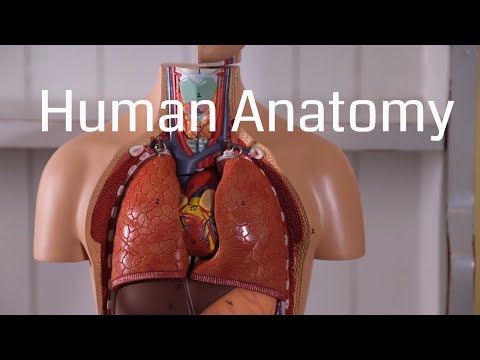
You know that feeling when you accidentally poke yourself in the eye? Sounds funny, right? But it made me think about how cool—and complicated—our bodies really are.
Seriously, our anatomy is like the ultimate puzzle. Every piece fits together perfectly to make us who we are. But hey, don’t sweat it if you can’t name every single bone or muscle. You’re not alone!
Whether you’re a science enthusiast or someone teaching others, anatomy can feel a bit overwhelming at first. It’s like trying to binge-watch a super long series without missing an episode. But trust me, once you get into it, you’ll be hooked!
So let’s unravel some of these mysteries together and explore what makes humans tick—one fun little fragment at a time! Sounds good? Cool!
Exploring the Most Challenging Subjects in Anatomy: A Scientific Perspective
Alright, let’s jump into the fascinating world of anatomy! We’re talking about one of the most intriguing subjects out there, especially if you’re curious about how our bodies work. Anatomy is the study of the structure of living things, and it’s like a puzzle—one where all the pieces fit together perfectly to create life. But some parts can be a real challenge to grasp. So, what are those tricky bits?
- The Nervous System: This is like the control center for your whole body. You’ve got billions of neurons sending signals around like a high-speed internet connection. Seriously, it’s complex! Just imagine trying to trace a single nerve from your toe to your brain—it’s a wild ride.
- The Heart: It’s not just a pump; it’s an intricate system that works nonstop. Understanding how each chamber operates and how blood flows through it can feel overwhelming, especially when you consider conditions like heart disease. The heart is, like, central to life itself!
- Skeletal System: So many bones! The human skeleton has 206 bones (give or take a few based on individual differences). Each one has its own shape and function. And then you have joints that can be super confusing—like how hinges work versus ball-and-socket joints.
- The Muscles: Human muscles are amazing but figuring out how they all interact during movement can be tricky. Ever tried to understand why you use different muscle groups when reaching for something? It’s not as straightforward as it looks!
Sometimes, it’s almost poetic how these systems connect with each other. When I was in school, I remember struggling with understanding muscle contractions while studying for an exam—it was like trying to solve a riddle with no clear answer. You know? It felt frustrating at times, but eventually piecing together those connections made me appreciate how our bodies move and respond.
And let’s not forget about anatomy in action! When you’re looking at real-life cases—like an injury or surgery—it adds another layer of complexity because you’re seeing all these systems interact in ways textbooks won’t show you directly.
A final thought: Anatomy isn’t just memorization; it’s about understanding relationships within the body. If you think hard enough about these connections and systems working harmoniously (or sometimes chaotically), you’ll start to see why it can be both challenging and rewarding at the same time!
Engaging Strategies for Making Anatomy Education Enjoyable and Effective in Science Classrooms
Making anatomy education enjoyable and effective in science classrooms can feel like a big challenge, but trust me, it’s totally doable! To kick things off, let’s think about how you can turn those dry textbook pages into something alive and buzzing with interest.
- Use Interactive Models: Seriously, who doesn’t love a hands-on experience? Instead of just showing diagrams, get some 3D models of bones or organs. Students can touch and manipulate these models. It’s way more engaging than just looking at pictures!
- Incorporate Technology: Apps and virtual reality can be game-changers here. Imagine students taking a virtual tour of the human body! They could explore systems like the circulatory or nervous system in immersive ways that really stick with them.
- Gamify Learning: Turning anatomy into a game is super fun! Create quizzes with prizes for those who perform well, or use an online platform to host competitive trivia based on what they’ve learned. It sets a lively atmosphere!
- Storytelling: Here’s where it gets emotional. Share stories about how certain anatomical systems connect to real-life scenarios—like how understanding the heart helped save someone’s life. Narratives make facts more relatable.
- Group Projects: Working together can breathe life into anatomy lessons. Divide your class into groups and assign each one a specific system or organ to research and present. This teamwork not only makes learning more fun but also encourages students to communicate their findings effectively.
- Create Art in Anatomy: Encourage your students to draw or create art pieces based on anatomical structures. Whether it’s detailed sketches of muscles or colorful diagrams of organs, merging art and science makes learning memorable!
You know, I once heard about a teacher who used clay to have her students recreate body parts. They got creative making all sorts of crazy shapes while learning the real layouts of muscles and organs—talk about memorable education! That kind of approach sticks because it allows creativity alongside learning.
The important thing is always keeping that enthusiasm alive! Encourage questions, foster curiosity, and remind your students that anatomy isn’t just about memorizing names; it’s about understanding how amazing the human body really is.
The thing is, using varied strategies will help cater to different learning styles in your classroom—some may thrive on visuals while others prefer kinesthetic experiences. You’re building a well-rounded comprehension of anatomy that’ll stick with them long term!
If you combine these tactics with genuine passion for the subject matter, your classroom will not only be effective but also a place where students actually look forward to digging into anatomy lessons.
Comprehensive Review of Anatomy Fundamentals for Science Enthusiasts and Educators
Anatomy fundamentals are like the building blocks of understanding biology. For anyone interested in the human body, diving into anatomy is incredibly rewarding. You get to learn all about how we’re structured and how everything works. It’s kind of like picking apart a really cool puzzle.
First off, what is anatomy? Well, it’s basically the study of the structure of organisms—like, you know, where everything is located and how parts are connected. Anatomy comes in two flavors: macroscopic (or gross) anatomy and microscopic anatomy. The former looks at structures you can see with the naked eye. Think organs and limbs. Microscopic anatomy? That’s where you zoom in really close to see cells and tissues.
When starting with anatomy, it’s handy to grasp some key concepts:
One time I was chatting with a friend who had just started studying nursing. She was so confused about left versus right when looking at diagrams! She eventually mastered those directional terms after a bit of practice; it made all the difference in her studies.
Now, let’s talk systems! The human body is made up of several systems that work together seamlessly:
Each system has its own unique functions but depend on one another as well. For instance, muscles need bones to attach to for movement—kind of like a dance group where everyone plays their part.
And let’s not forget about disease. Knowing anatomy helps you understand what happens when things go wrong! Imagine studying an illness; you’ll want to know which organs are affected or how symptoms relate back to your anatomical knowledge.
If you’re teaching this stuff or just sharing it among friends, using models can be super helpful too! 3D models or even interactive apps bring things to life in ways textbooks might not capture fully.
To wrap this up—anatomy isn’t just dry facts; it’s a vibrant field that reveals how we operate as living beings. Whether you’re planning on teaching this subject or just want to impress your buddies at dinner parties, getting familiar with these basics will surely do the trick! So roll up your sleeves and dive into these anatomical wonders—it’ll be worth every moment!
You know, when we talk about anatomy, it’s like delving into this incredible world where every tiny detail plays a role in the grand scheme of things. I remember one time in high school, my friend Sam was so fascinated with the human body that he decided to create a life-sized model of a skeleton out of cardboard. He spent hours perfecting it, and let me tell you, that thing was both hilarious and super impressive at the same time! It made our biology classes way more engaging and fun.
So, when you think about anatomy fundamentals, it’s not just about memorizing names or what goes where. It’s about understanding how all these different parts work together to create something so extraordinary. Like, consider the heart—this little organ that’s roughly the size of your fist pumps blood through your body non-stop. That’s like a tiny hero working round-the-clock!
For science enthusiasts and educators alike, getting back to basics is crucial but doesn’t have to be boring. You want to spark curiosity, right? Take muscles for example; they’re not just squishy bits in your arm or leg. They’re responsible for movement! Just picture those muscles contracting and relaxing as you wave goodbye to someone—cool, isn’t it?
And hey, teaching anatomy doesn’t have to be all textbooks and diagrams either. Incorporating hands-on activities can really light up that spark of interest! There are apps that let students explore 3D models or even virtual dissections—they can zoom in and out like they’re on some kind of biological treasure hunt.
The cool part is that everyone can connect with anatomy on some level. We all have our bodies! Whether it’s a casual conversation about how bones heal after a fracture or why we get butterflies in our stomachs when we’re nervous—those stories make anatomy relatable.
In essence, embracing the fundamentals means giving yourself the freedom to explore and discover while making sure others can join that adventure too. So yeah, let’s keep the excitement alive by digging deeper into this amazing journey of understanding ourselves!