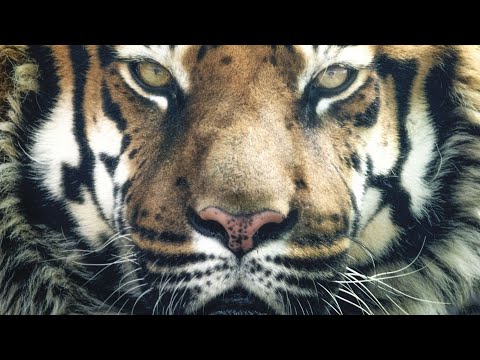
You know what’s wild? There are actually more tigers in captivity in the U.S. than there are left in the wild! I mean, can you imagine that?
It’s like having a secret stash of animals that we just can’t seem to protect out there in their natural homes. Crazy, right?
Anyway, endangered species are a big deal. They’re not just numbers on a list; they’re part of our planet’s heartbeat.
From fluffy snow leopards to colorful sea turtles, these creatures need our help more than ever. So let’s chat about them and what we can do to keep them around for future generations. Sounds good?
Promoting Conservation Science: A Comprehensive List of IUCN Endangered Species
You know, the world is full of cool creatures and plants that we often take for granted. But a lot of them are in trouble. When we chat about conservation science, one big name that comes up is the IUCN—short for the International Union for Conservation of Nature. They have this handy-dandy Red List that helps keep track of all the species that are at risk of disappearing.
So, basically, these endangered species fall into categories that show how critical their situations are. You might be thinking, “Okay, but what does this really mean?” Well, let’s break it down a bit.
1. Critically Endangered
These are the species on the brink of extinction. Like, think about the Amur Leopard. There are less than 100 left in the wild! So sad, right? These poor leopards face threats from habitat loss and poaching.
2. Endangered
Next up are those classified as simply endangered. The Sumatran Orangutan is a classic example here; their population has dwindled due to deforestation and illegal pet trade. Imagine living in a place where your home gets chopped down just so someone can sell lumber or keep you as a pet!
3. Vulnerable
Then you’ve got vulnerable species like the Snow Leopard. These beauties aren’t critically endangered yet but still face serious risks from climate change and hunting for their stunning fur.
Among others, conservation is not just about saving cute animals or pretty plants; it’s also about maintaining ecosystems that support us too—like bees pollinating crops! So when we look at all these different categories on IUCN’s list, it’s an eye-opener on how interconnected life really is.
But why promote conservation science? Honestly, it brings awareness to these issues and inspires action! There are loads of organizations out there working tirelessly to protect these species through research and advocacy efforts.
Additionally, by understanding and promoting conservation science, we’re also giving future generations a chance to experience these incredible animals in their natural habitats instead of seeing them only in books or museums!
So yeah, if you ever come across terms like “IUCN Red List”, now you know it’s more than just some technical jargon—it’s a lifeline for many species fighting against extinction! Every little effort counts toward making sure our planet stays diverse and vibrant with life. Let’s champion those who need our help!
Understanding IUCN Red List Categories: Essential Insights for Conservation Science
The IUCN Red List is like the ultimate report card for species around the world. Imagine your favorite animals and plants getting graded on how well they’re doing in their natural habitats. The thing is, these grades are super important because they help conservationists know who needs a little extra love and care.
Categories Explained
So, the IUCN (International Union for Conservation of Nature) has created several categories to classify species based on their risk of extinction. Let’s break it down:
The Why Behind the List
Now you might be wondering why all this matters. Well, these categories guide conservation priorities! When scientists see which animals need help most urgently, resources can be allocated effectively—like funding and protection efforts focused on those critically endangered species.
Also, awareness plays a huge role! When people know about these categories and understand what they mean, it kinda pulls at your heartstrings, right? It makes folks want to step up so we can prevent those sad tales of extinction.
One time I read this touching story about a community that came together to save sea turtles along their coastline—not just because sea turtles were cute but because people started realizing these amazing creatures were vulnerable according to the IUCN list! They created awareness campaigns and even organized clean-up days at beaches. Pretty inspiring stuff!
So yeah, understanding these categories isn’t just some scientific mumbo jumbo; it’s vital for ensuring our planet remains rich with life. Remember: every little effort counts when it comes to conservation science!
Understanding the IUCN Red List of Threatened Species: Implications for Biodiversity Conservation in Science
The IUCN Red List of Threatened Species is like a big report card for the planet’s biodiversity. You know, it keeps track of different species and their risk of extinction. But why does this matter? Well, understanding its implications for biodiversity conservation can truly help shape how we protect our planet.
First off, the IUCN, which stands for the International Union for Conservation of Nature, started this list way back in 1964. It’s not just a name; it’s a serious database that categorizes species based on how threatened they are. The list has several categories, ranging from Least Concern to Extinct, and each category helps us understand the urgency needed for conservation efforts.
You might ask why we need to pay attention to this list. Well, consider this: when you find out that a species is moving closer to extinction, it sparks action! For instance:
- African elephants: Once abundant, they’re now listed as Vulnerable due mainly to poaching and habitat loss.
- Tigers: Only about 3,900 remain in the wild because of hunting and loss of habitat—their status is Endangered.
- The Javan rhinoceros: With fewer than 80 individuals left, they’re Critically Endangered. Protecting these creatures isn’t just about saving them; it impacts the whole ecosystem!
The implications don’t just end at keeping an eye on animals. The Red List also helps scientists prioritize conservation efforts. If we know what’s at stake, we can allocate resources where they’re most needed—like creating protected areas or funding specific research projects.
You may also be curious about what’s being done with this info. Conservationists often use these data points to guide policies and strategies worldwide. When local governments see which species are endangered or vulnerable in their area, they can enact regulations that help protect habitats or limit hunting practices.
But it’s not all black and white either! Sometimes there are conflicts between conservation needs and human activities. Think about farmers who rely on land where endangered species live—it gets tricky! This is where science comes into play big time: finding a balance between human needs and nature’s demands is crucial.
The IUCN Red List also raises awareness among us regular folks—you know? By understanding which species are at risk, we’re more likely to support conservation initiatives or make changes in our own lives that help. Whether it’s choosing sustainable products or supporting wildlife organizations, it’s all connected!
In summary, the IUCN Red List serves as an essential tool for biodiversity conservation by highlighting endangered species’ status and guiding effective responses to conserve them. It shows us what we stand to lose without action—and gives us hope by showing what can be saved.
You know, the topic of endangered species really hits home for me. I remember visiting a wildlife sanctuary a couple of years ago. There was this big ol’ tortoise named Shelly. She seemed so calm and wise, but honestly, she was also a reminder of how fragile our ecosystems are. It got me thinking about how many creatures like her are at risk because of us—humans messing with the planet.
The International Union for Conservation of Nature, or IUCN for short, plays such an important role in keeping track of all these vulnerable species. When they put an animal on their Red List, it’s like putting up a big neon sign saying “Hey! We need help here!” and it’s pretty wild to think about how that list influences conservation efforts worldwide.
Promoting conservation science isn’t just some fancy jargon; it’s about understanding why certain animals are disappearing and what we can do about it. You might see terms like “habitat loss” or “poaching” thrown around often. But let’s break that down: habitat loss is just a way of saying that animals are losing their homes—like if someone suddenly bulldozed your neighborhood! And poaching? Well, it’s really sad because it means people are illegally hunting these animals for money.
But the good news? Conservation science is like a superhero cape for our planet! Researchers are out there studying behaviors, resources, and ecosystems to figure out how we can protect these amazing species effectively. Plus, they’re finding ways to involve local communities in conservation efforts—after all, people living close to nature know quite a bit about it!
Another thing worth mentioning is the emotional connection we have with wildlife. It’s not just numbers on a spreadsheet; these animals have charisma! Think about pandas munching on bamboo or dolphins leaping through waves—who wouldn’t want to save them? Encouraging this love for nature can inspire action in all sorts of folks.
So yeah, while it may seem overwhelming at times seeing so many species in trouble, the work being done by organizations like IUCN is inspiring hope. Each little effort counts! Just imagine if more people got involved? Together we might be able to turn things around and ensure there’s room on this planet for both us and those incredible creatures who share our home.