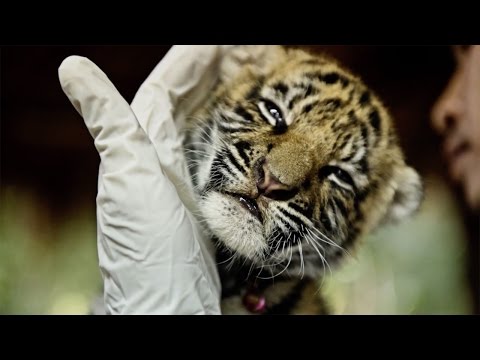
So, imagine you’re at the zoo, right? You see a giant panda munching on bamboo, and it’s the cutest thing ever. But then you read a sign saying there are only about 1,800 of those fluffy guys left in the wild. Yikes!
It’s wild to think that some of these animals could just disappear forever. Can you believe that?
You know, protecting endangered species is kind of like a superhero mission. We gotta step up for these critters! From saving their homes to breeding programs, there’s a whole bunch of ways people are fighting to keep them around.
Let’s dig into some cool strategies that are making a real difference out there!
Exploring Effective Conservation Efforts to Safeguard Endangered Species in Science
Conservation efforts for endangered species are super important, you know? These initiatives aim to protect some of the most vulnerable animals and plants on our planet. And there’s so much going on in this space! Let’s break it down.
First up, one of the key strategies is **habitat protection**. This means safeguarding the natural environments where these species live. For instance, setting up national parks or wildlife reserves is a major move. It’s like giving a safe home to those critters! In the U.S., areas like Yellowstone National Park not only protect wildlife but also help keep ecosystems balanced.
You can’t forget about **restoration projects** either. Sometimes a habitat just needs a little TLC to bounce back! Think about replanting trees in deforested areas or cleaning polluted rivers. It’s like reviving an old neighborhood by making it lively again.
Then there’s **species-specific management**. This is when scientists focus on particular animals or plants that are really struggling to survive. Take the California Condor—it was nearly extinct due to hunting and habitat loss. Conservationists set up breeding programs and released them back into the wild, which helped bring their numbers up! It’s such a heartwarming example of dedication.
Another big player here is **community involvement**. Local communities often know best about their environment. By engaging them in conservation efforts, we can tap into their knowledge and passion for preserving local wildlife. When people feel connected to their land, they’re much more likely to care for it.
And let’s talk about law enforcement—yup, rules matter! Anti-poaching laws are essential for protecting species from illegal hunting and trade. The African elephant has been under threat mainly because of ivory trafficking, but stricter regulations have been put into place in many countries to combat this issue.
Also worth mentioning is the role of **education** and **awareness campaigns** in conservation efforts. Teaching people about endangered species helps create empathy and understanding, which can lead to action—like supporting sustainable practices or volunteering for local conservation groups.
And hey, don’t overlook technology! Innovative approaches such as satellite tracking and drone surveillance help monitor wildlife populations more effectively than ever before. Imagine being able to track animal movements without even stepping into their territory! That’s seriously cool.
So yeah, conservation is a mixed bag of tactics aimed at saving our biodiversity from disappearing altogether. Each effort plays its own part in a bigger puzzle that needs all hands on deck if we’re going to make a real difference in protecting our planet’s most vulnerable inhabitants. Every action counts, whether big or small!
Effective Methods for Conserving Endangered Plant Species: Insights from Botanical Science
Conserving endangered plant species is super important for maintaining biodiversity and keeping ecosystems healthy. The things that threaten these plants, like habitat loss, climate change, and invasive species, are real challenges. But you know what? Botanical science gives us some cool methods to tackle these issues.
Seed Banking is one of the most effective ways to conserve endangered plants. Think of it like a time capsule for plants! In seed banks, seeds are carefully stored under controlled conditions. This way, if a plant goes extinct in the wild, we still have its seeds. Some places even try to keep a gene bank of different seed types to ensure genetic diversity.
Another method is in situ conservation. This means protecting the plants in their natural habitats. You’ve probably seen people create reserves or national parks where these endangered species can thrive without too much human interference. It’s like giving them a safe place to grow! Not only does this approach help the plants, but it also supports other wildlife living there.
Then there’s ex situ conservation, which involves growing endangered plants in controlled environments like botanical gardens or nurseries. Now you might think this sounds a bit unoriginal, but trust me! These gardens serve as a crucial backup plan. They can help repopulate areas where the plant has disappeared and also educate the public about conservation efforts.
Oh! And let’s not forget about restoration ecology. This is when scientists and volunteers work together to bring back native flora to degraded habitats by using various techniques, like soil improvement and planting native seeds. For example, restoring coastal dune habitats with native beach grasses can stabilize sand and protect against erosion—helping both plants and animals thrive!
Sometimes, specific threats need targeted actions. Like for invasive species—scientists might use biocontrol, which involves introducing natural enemies of these invaders. Imagine bringing in a bug that munches on an invasive plant but leaves our precious natives alone!
Lastly, community involvement plays a huge role in conservation strategies too! Local folks can monitor plant health or participate in restoration projects. They become stewards of their environments—basically making them champions for their local flora.
So yeah! Conserving endangered plant species combines research with action—using everything from high-tech seed storage methods to grassroots volunteer efforts. By blending science with community engagement, we stand a better chance at protecting our planet’s green treasures for future generations!
Effective Strategies for Combating Extinction: Insights from Science and Conservation
Combating extinction is seriously one of the most pressing issues in conservation today. It’s not just about saving cute animals or pretty plants; it’s about keeping our ecosystems healthy and functional. Each species plays its role, and when one goes extinct, it can create a domino effect that messes things up for everyone else. Let’s unpack some effective strategies for fighting this crisis.
First off, habitat protection is crucial. Think of habitats as homes for wildlife. If you destroy those homes, well, the critters can’t stick around. One example? National parks and reserves serve as safe havens where endangered species can thrive without human interference. When I was hiking in a protected area once, I stumbled upon a family of deer just hanging out—so serene! It reminded me how vital these places are for wildlife.
Next up is restoration ecology. This is where scientists come in to help heal damaged ecosystems. Imagine a forest that’s been cut down; restoration efforts might involve replanting trees or cleaning up polluted waters. It’s like giving Mother Nature a helping hand to bounce back!
Then there’s species-specific recovery programs. These are tailored efforts focusing on individual species at risk. Take the California condor, for instance—after reaching near extinction, biologists bred them in captivity and then released them back into the wild. Their numbers started to climb again! Isn’t that inspiring?
Another strategy involves community engagement. Local people often know their lands best, and involving them in conservation efforts can lead to amazing results. You know how sometimes you see programs where kids help plant trees or clean rivers? That builds pride and responsibility toward their local environment.
But it doesn’t stop there! There’s also the use of technology. Things like GPS tracking and drones help scientists monitor animal movements or survey habitats from above without disturbing the wildlife. Just think of all the insights we could gather with this tech—like knowing where animals go at night!
And let’s not forget about legislation and policy changes. Strong laws protecting endangered species are key to ensuring they have a fighting chance against poaching or habitat destruction. There are organizations out there lobbying for stricter regulations on wildlife trade—it’s super important!
You know what else helps? Education! Spreading awareness about endangered species can lead to greater public support for conservation initiatives. When people understand why these species matter, they might be more likely to get involved.
In summary, tackling extinction isn’t just one isolated effort; it requires a whole toolkit of strategies working together:
- Habitat protection
- Restoration ecology
- Species-specific recovery programs
- Community engagement
- Use of technology
- Legislation and policy changes
- Education and awareness campaigns
With teamwork across various fields—like science, community action, and even technology—we’ve got a shot at reversing some of this damage we’ve done over time. It takes effort from all sides, but every little bit counts in fighting against extinction!
So, let’s chat about something that’s been on my mind lately. You know, endangered species? It’s kinda wild—there are so many amazing creatures out there, and a lot of them are struggling to survive. The reasons vary: habitat loss, poaching, climate change—the list goes on. I remember once visiting a zoo as a kid and seeing this beautiful snow leopard. It was so mesmerizing! Then I learned that they’re endangered because of habitat destruction and poaching for their gorgeous fur. That moment just stuck with me.
Now, when it comes to conservation strategies, it’s like putting together a puzzle with pieces that sometimes don’t quite fit together. One big piece is protecting habitats. If we can keep their homes safe and sound, we give these animals a fighting chance. It’s like if you moved into a new place but found it was always getting demolished—who would feel comfy living there?
Another important part is laws and regulations. Countries worldwide are stepping up to create protected areas where these critters can roam without fear of threats from humans. But while paperwork is great, sometimes local communities need to be part of the solution too. Engaging people who live near these species helps foster relationships where they see the value in protecting wildlife instead of exploiting it for short-term gain.
There are also breeding programs that aim to increase populations in controlled environments before reintroducing them into the wild. But you’ve gotta ask—can they really adapt once they’re back out there? It’s not just as easy as letting them go; the world has changed too much!
And then there’s education! Spreading the word about what’s happening to these species feels crucial. I mean, how can we make changes if people don’t realize what’s at stake? When folks connect emotionally with an animal—like I did with that snow leopard—they’re more likely to care about its future.
Of course, it’s not all sunshine and rainbows; every strategy comes with its challenges and criticisms. Sometimes money plays a big role—in conservation funds or lack thereof—which can get frustrating.
At the end of the day, protecting endangered species might feel daunting because it seems like such an uphill battle against overwhelming odds. But every little effort counts! Whether you’re volunteering at a local animal shelter or simply spreading awareness on social media—you can be part of making a difference.
So anyway, next time you hear about an endangered animal or see one in person, maybe take a moment to think about why it’s important to protect them—not just because they’re cute but because they’re vital players in our planet’s game balance!