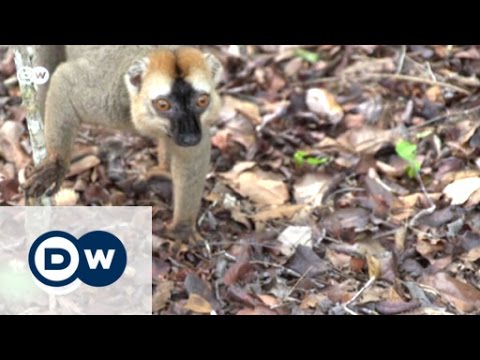
You know what’s wild? There are more species of frogs on Earth than there are people in Florida. Seriously! But, here’s the kicker—many of those frogs, like tons of other animals and plants, are in serious trouble.
Now, imagine scrolling through your Instagram feed and seeing a cute little frog selfie one day. Then boom! It becomes extinct overnight. Bummer, right? That’s where the Red List comes into play.
It’s like a report card for nature—giving us the lowdown on which species are hanging by a thread, and which ones are doing just fine. We need to pay attention because every species counts!
So let’s chat about what this list really means for conservation efforts. Because as much as we’d love to save every single critter out there, it takes some serious teamwork to make it happen.
Understanding the IUCN Red List: A Comprehensive Guide to Biodiversity Conservation and Species Status in Science
The IUCN Red List is like a global scoreboard for species at risk, you know? It tells us which plants and animals are hanging on by a thread and which ones are doing just fine. Understanding it is super important for conservation efforts, so let’s break it down.
First off, the International Union for Conservation of Nature (IUCN) created this list to categorize species based on their extinction risk. The IUCN uses specific criteria to determine if a species is endangered, vulnerable, or even extinct. Here’s how they do it:
- Population size: How many individuals are left? If there aren’t many left, chances are they’re at risk.
- Geographic range: Where does the species live? If its habitat is shrinking or fragmented, that’s a major red flag.
- Rate of decline: Is the population getting smaller over time? Even small declines can signal trouble.
So the thing is, this list isn’t just a catalog; it’s a tool that helps researchers and conservationists figure out where their attention is needed most. When I first learned about it in college – man, it hit me hard! You see these tiny frogs or rare flowers on the list and realize they’re fighting for survival every day.
The Red List has several categories to describe a species’ status:
- Least Concern: These guys are doing alright. They’re not facing any major threats.
- Near Threatened: They could be in trouble soon if things don’t change.
- Vulnerable: This means they face high risks of extinction in the wild.
- Endangered: Seriously at risk! Immediate action is often required to help them.
- Critically Endangered: On the brink of extinction; those little guys need our help NOW!
- Extinct: Gone forever. It’s heartbreaking to think about!
Knowing where each species falls helps guide conservation efforts. For instance, let’s think about the northern white rhino—only two are left in the world! That’s critical endangered status right there. Conservationists are working hard on innovative solutions like using IVF techniques to save this iconic creature.
What’s cool is that besides individual species, the Red List also gives us insights into overall biodiversity trends—so we can spot patterns in what’s happening with wildlife globally. Unfortunately, many coral reefs and rainforests are losing biodiversity rapidly because of climate change and human activities.
In a way, keeping an eye on the IUCN Red List feels like being part of nature’s watchdog team! If we know which species need help, we can rally support and resources around them.
So yeah, next time you hear someone mention it or read about it online, you’ll have more than just surface-level knowledge—it’ll connect with what really matters in our shared world!
Understanding the IUCN Red List of Threatened Species: Impacts on Biodiversity and Conservation Science
So, let’s talk about the IUCN Red List of Threatened Species. You might have heard of it, but what is it exactly? Well, it’s a comprehensive inventory that categorizes the extinction risk of different species around the world. Basically, it tells us how many species are in trouble and how bad the situation really is.
The IUCN stands for the International Union for Conservation of Nature. They created this list to help identify species at risk and promote conservation efforts. The list classifies species into different categories based on their risk of extinction. These categories include:
- Least Concern: Species that are widespread and abundant.
- Near Threatened: Close to qualifying for a more threatened category.
- Vulnerable: At risk due to declining populations or habitats.
- Endangered: Facing a high risk of extinction in the wild.
- Critically Endangered: Extremely high risk of extinction.
- Extinct in the Wild: No known individuals exist in their natural habitat.
- Extinct: No known individuals remain anywhere on Earth.
You might be thinking, “Okay, but why should I care?” Well, here’s the thing: biodiversity is key! When various species thrive, ecosystems function properly. Each species plays a unique role; it’s like a giant puzzle. Lose one piece, and the whole thing can come crashing down!
The impacts on conservation science are significant too. The Red List not only helps with understanding which species need urgent help but also indicates broader environmental issues. For example, scientists often find that when large mammals like elephants are threatened, it usually suggests there are deeper problems—like habitat loss or climate change—affecting entire ecosystems.
I remember reading about one particular case: the plight of the Amur leopard in Russia and China. This majestic creature is categorized as Critically Endangered due to habitat destruction and poaching. Conservationists use its status as a red flag for wider environmental health issues there. Protecting this leopard means preserving its forest home and ensuring other animals can thrive too!
The IUCN Red List also helps prioritize conservation actions by highlighting what needs immediate attention. For instance, if a certain fish population is declining rapidly because of overfishing, that’s where conservationists can focus their efforts to make a real difference!
To sum up: The IUCN Red List serves as both an alarm bell and a road map in conservation science. It points out what’s at stake and gives us direction on how to protect our planet’s diverse life forms better! So next time you hear about endangered species or conservation projects, know there’s likely an IUCN Red List behind those efforts guiding them along!
Assessing Avian Conservation: Insights from the IUCN Red List on Global Bird Species Status
Okay, so let’s talk about birds and their conservation status. You know, birds are not just pretty creatures flying around. They play a significant role in our ecosystems. The IUCN Red List is like a report card for species all over the globe, showing how close to extinction they are. This list is super important for understanding which bird species need help.
So, what’s the deal with the IUCN Red List? Well, it classifies species based on their risk of extinction with categories like Least Concern, Near Threatened, Vulnerable, Endangered, and more serious ones like Critically Endangered. It’s based on criteria like population size, rate of decline, and geographic range.
You might be wondering why all this matters. Let’s break it down:
- Diversity at Risk: The number of bird species on the Red List keeps rising—over 1,400 species are currently classified as threatened. That’s a huge deal!
- Habitat Loss: Many birds lose their homes due to deforestation and urban development. This pressure leads to declining populations.
- Climate Change: Changing temperatures and weather patterns mess with breeding seasons and food availability for many birds.
- Pests and Invasives: Some introduced species prey on or compete with native birds, pushing them closer to extinction.
I remember reading about the California Condor once. These massive birds almost went extinct in the 1980s because of habitat destruction and lead poisoning from ingesting spent bullets. Conservationists stepped in, capturing the last remaining individuals to breed them in captivity! Today, thanks to dedicated efforts, they’re gradually returning to the wild.
This story highlights an important aspect: conservation success is possible when we put in the effort! We can’t just sit back; we need action plans based on Red List data—like habitat protection or controlling invasive species—to make a real difference.
This also shows us that every little bit counts! If you plant native plants in your garden or support local conservation groups, you’re contributing to protecting these incredible creatures. So yeah, while things might seem grim for some bird species out there, there’s hope as long as we stay informed and engaged!
The IUCN Red List isn’t perfect; it evolves as new data comes in and research improves. But it remains crucial for assessing global bird species status—it helps guide conservation priorities and funding decisions worldwide. And hey, every time we support these efforts—even by learning about them—we’re helping ensure that future generations get to enjoy birds singing in their trees!
You know, the Red List of Threatened Species is quite the fascinating yet serious topic. It’s like a wake-up call for us about the state of our planet’s biodiversity. Just think about it for a second: every time a species is added to that list, it’s like another nail in the coffin for the environment we share. Makes you wanna sit up and pay attention, right?
A while back, I was hiking in a forest preserve with some friends. We stumbled upon this amazing little bird, vibrant and full of life. But then someone mentioned that its population was dwindling on the Red List. It kinda hit me—here we were admiring something so beautiful, yet it was struggling to survive. That moment really got me thinking about what the numbers on that list mean.
The Red List isn’t just some dry official paperwork; it’s really about stories—stories of animals and plants fighting to exist against all odds. Each entry represents a life form that’s struggling due to habitat loss, climate change, pollution or even poaching. When you see a species labeled as “critically endangered,” it feels like you’re reading a tragic story where not everyone makes it out alive.
But here’s where things get interesting. The Red List is also a tool for conservation efforts! Organizations can use this information to prioritize which species need urgent help and what areas need protection. Like when you realize your friend is going through something tough and you step up to support them—you start looking at ways to make things better.
Now, I know numbers can be boring sometimes, but seriously—when you see how many species are at risk (the last count was over 40,000!), it’s kind of mind-boggling! This isn’t just about cute pandas or majestic tigers; it’s also those tiny critters we often overlook that play crucial roles in ecosystems.
What if we could change that narrative? Imagine if every person decided to make small changes in their daily lives—reducing plastic use or supporting sustainable products? Those choices pile up! It might not fix everything overnight, but every step counts towards creating a healthier world.
So yeah, looking at the Red List makes me feel hopeful sometimes but also frustrated. We have an opportunity to protect what remains while there’s still time. It’s all connected: our actions today shape what tomorrow looks like—for us and for those little birds still singing in the trees!