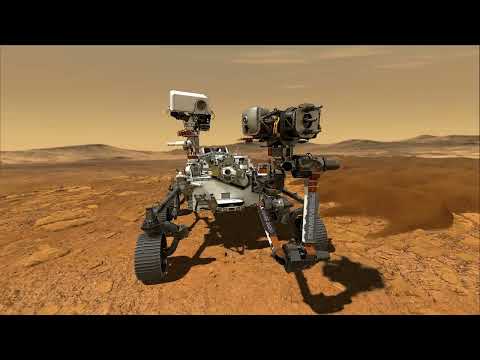
So, picture this: you’re chilling at home, and suddenly, your friend tells you they’ve been talking to someone on Mars. Sounds like a sci-fi flick, right? But that’s kinda what it feels like when we’re sending missions to the Red Planet.
Mars is like that mysterious neighbor who keeps to themselves. You see the dust devils swirling, but really know little else. It’s fascinating! Just think about all those rovers zooming around up there, sending selfies back like they’re on vacation.
Every time one of those shiny robots lands, it’s like unwrapping a gift filled with cosmic surprises. What will they find? Ice? Weird rocks? Or maybe even signs of past life? The thrill of Mars missions keeps us guessing and dreaming about what else is out there.
So let’s chat about these missions. What they’ve taught us and how each trip brings us closer to understanding our spicy red buddy orbiting up there. Buckle up for some Martian fun!
Exploring Mars: How NASA Missions Enhance Our Understanding of the Red Planet
Mars has always sparked our imagination, hasn’t it? It’s that big red dot in the sky, and for years, we’ve wondered what’s going on up there. NASA has sent several missions to Mars, and let me tell you, each one brings us a step closer to understanding this fascinating planet.
Viking Missions were the first NASA efforts in the 1970s. These two spacecraft were equipped with cameras and scientific instruments. They looked for signs of life by analyzing soil samples. Although they didn’t find any definitive evidence of life, they laid the groundwork for future missions.
Then came the Mars Rovers, which are like mini-laboratories roaming around the Martian surface. The first successful rover was Spirit, launched in 2003, followed closely by its twin Opportunity. These rovers sent back stunning images and tons of data about minerals and rocks. For instance, Opportunity’s discovery of hematite hinted at past water presence—water being a big deal when we think about life.
Fast forward to more recent missions like Curiosity, which landed in 2012. This rover is like a science geek’s dream come true—it analyzes everything from Martian soil to atmospheric conditions! One exciting find was how certain organic compounds were detected in ancient Martian rocks. Could this mean something? Well, it gets scientists buzzing with questions!
Another major player is Perseverance, which landed in early 2021. It’s got a cool new tool called MOXIE that converts CO2 from the Martian atmosphere into oxygen! Imagine if one day humans could live there—this is a vital step toward making that possible!
You know what’s really touching? The story of how these missions unite people back here on Earth. I remember watching the Curiosity landing live with friends—everyone holding their breath as we waited for that “seven minutes of terror.” And once it touched down successfully, the room erupted in cheers! It felt like we all shared this moment together.
Mars Sample Return Mission is also on the horizon! Scientists are working toward bringing samples back from Mars so they can analyze them here on Earth. That’s like getting a postcard from another planet but way cooler!
All these efforts reveal more about Mars’ geology and climate history, helping us piece together how similar or different it is from Earth. The more we learn about Mars’ past conditions—including water flow—the better we understand our own planet’s evolution.
In short, NASA’s exploration of Mars is not just about looking for little green men or rocks; it’s about broadening our perspective on life itself and our place in the universe! Each mission teaches us something new and thrilling about our cosmic neighbor and sheds light on questions as old as humanity itself: Are we alone out there?
Exploring the Unknown: Insights into NASA’s 2026 Mars Mission and Its Scientific Impact
Exploring Mars has always been a dream for many. You know, the idea of stepping onto that red dust and seeing the vast landscape up close is thrilling. So, with NASA’s 2026 Mars Mission on the horizon, it’s an exciting time for science enthusiasts and stargazers alike.
This mission aims to **uncover deeper insights** about Mars—think of it like a detective digging into a fascinating case. What we want to know is not just about its surface but also what lies beneath. The mission will focus on important questions like whether there was ever life on Mars, how it evolved, and if it could support human life in the future.
One key aspect of this mission will be the **sample return** process. Scientists plan to collect Martian soil and rock samples using advanced technology, like tiny drilling systems you might picture from a sci-fi movie. They’ll store these samples in specially designed containers that could eventually be sent back to Earth for analysis! This is huge because it allows us to study Martian material under our lab conditions.
Also, let’s not forget about the technology involved. NASA’s Perseverance rover, which landed in early 2021, has already been sending back stunning images and conducting experiments. It’s equipped with super cool tools to analyze rocks and soil right there on Mars! Imagine being able to see how different minerals react when you’re miles away from home.
Now, you might ask: why is all this research important? Well, understanding Mars can help us learn about our own planet’s history too! Plus, think about space travel in the future. If we can figure out how to live on another planet—even if it’s just for a short time—it opens all kinds of doors for human exploration.
There are some challenges ahead as well. For example, coming up with ways to protect astronauts from harsh Martian conditions is crucial. Radiation levels out there are way higher than here on Earth due to thin atmosphere. So making sure they stay safe while having fun exploring is no small feat!
And here’s another thing—communication delays between Earth and Mars can stretch up to 20 minutes one way! That means if you’re sending a message or needing help from Earth-based teams? You might be waiting around a bit!
In essence, NASA’s 2026 mission isn’t just about getting people or robots onto the planet; it’s about tackling some big questions about life beyond our blue world and figuring out how we can venture further into space.
So as you think about this upcoming adventure into the unknown—remember how each stroll across Martian sand could change everything we thought we knew before! Who knows what treasures await us on that dusty red expanse?
Exploring Mars: How 2022 Missions are Expanding Our Understanding of the Red Planet
Exploring Mars has been a real obsession for scientists and space lovers alike. You know, it’s that whole idea of finding out if we’re alone in the universe or if there’s something out there, like ancient Martian life. Well, 2022 was a pretty cool year for Mars exploration, with some exciting missions that really ramped up our understanding of the Red Planet.
One standout mission was NASA’s Perseverance rover. It landed on Mars in February 2021, but its work carried on strong in 2022. This little robot is basically a super scientist on wheels. It’s been cruising around Jezero Crater, which is thought to be an ancient lakebed. Can you imagine that? A lake on Mars! Perseverance has been collecting rock samples and analyzing the soil to look for signs of past microbial life.
Then there’s NASA’s Ingenuity helicopter. It might look small and cute, but it’s packing some serious tech. In 2022, this tiny helicopter had over two dozen flights! Each flight helps us understand how aerial vehicles could navigate Mars’ thin atmosphere. It’s like a test run for future missions where drones could scout ahead or map the terrain more easily.
But it doesn’t stop there! The European Space Agency (ESA) also played its part with the ExoMars mission. Though it was delayed and didn’t launch in 2022 as planned (bummer), it kept our hopes alive by preparing for future exploration. The Trace Gas Orbiter from this mission has been busy studying Martian gases from orbit. It’s looking for methane because methane can be linked to biological processes… or maybe even geology!
And let’s not forget about teamwork between these missions! Data sharing is huge in this game. For example, scientists are using information from both Perseverance and ExoMars to get a fuller picture of what Mars used to be like—kinda like piecing together a puzzle.
All this research adds layers of understanding about Mars’ past environments and climate changes over time. For instance, you heard about how researchers found evidence suggesting that there were once flowing rivers? It’s wild to think about what could have existed back then.
Oh, and here’s an emotional tidbit: when Perseverance first sent back those stunning images of Martian landscapes—mountains rising under dusky orange skies—it brought tears to many eyes here on Earth. There’s something deeply moving about reaching out to another planet, don’t you think?
So yeah, these missions are doing way more than just driving around or flying above; they’re paving the way for future human explorations too! Astronauts might walk on Martian soil one day because of all this groundwork being laid now.
The big takeaway is that every little discovery contributes to our growing knowledge base about not just Mars but maybe our own planet too—like learning about climate change by studying other worlds’ atmospheres. As we keep pushing forward with technology and curiosity, who knows what we’ll uncover about the Red Planet next?
Mars, huh? It’s always been that distant neighbor we kind of know about but never really understand fully. Remember when you were a kid, staring up at the night sky, wondering what it’d be like to walk on another planet? Yeah, and now we’re sending rovers and orbiters there like it’s just a quick trip to the grocery store. Crazy how far we’ve come!
With each mission to the Red Planet—like those amazing rovers, Curiosity and Perseverance—it’s like peeling back layers of an onion. You find something new and intriguing underneath! Curiosity’s findings about ancient water flow made me imagine Mars once being this wet, lively place. It’s exciting to think about the possibility that life may have existed there, even if it was just a simple microbe or something.
But let’s face it; getting a rover onto Mars isn’t exactly a walk in the park. I mean, have you seen those intricate landing maneuvers? One tiny mistake could mean months of hard work down the drain. It’s intense! And yet, people keep pushing boundaries because they believe in the importance of these explorations.
What really hits home is how these missions connect us all. Like during some recent mission broadcasts, when scientists shared live updates from Mars—it felt like we were all part of something bigger than ourselves! Imagine kids sitting at home glued to their screens as images popped up from another planet. That sparks curiosity—not just about space but science as a whole.
And here’s another thought: these missions teach us more than about Mars itself! They push us to innovate in technology and sustainability right here on Earth too. The challenges faced on Mars can lead to advancements in robotics or maybe even help with tackling climate change.
Honestly though, while I marvel at that rusty rock floating out there with its dust storms and ancient riverbeds, I can’t help but think… if anything, it reminds me how small Earth is in this vast universe. Every mission brings us closer together as one human race striving for knowledge—and who knows what else we might discover along the way?