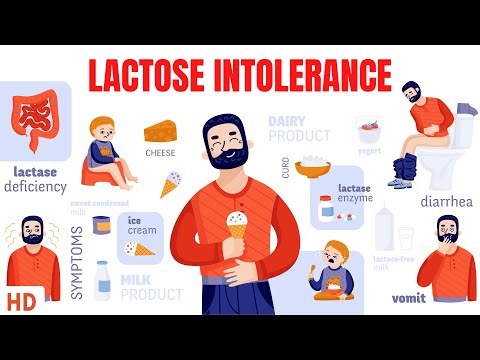
Alright, picture this: you’re at a friend’s party, and there’s a massive cheese platter. Seriously, it’s a cheese lover’s dream! You’re feeling adventurous and pile your plate high. But then—uh-oh—you start feeling gassy and bloated like you’re about to float away. Sound familiar?
That’s the tricky business of lactose intolerance! It’s like your body is throwing a little tantrum every time dairy shows up. You know how some folks can party with ice cream all night long, while others just look at it and feel the rumble in their stomach?
So, what gives? What happens inside your body when lactose comes knocking? Let’s unravel this whole lactose mystery together! It might get a bit sciency, but I promise to keep it chill and relatable. Just think of it as our own little geeky chat about what goes down when dairy hits the scene.
Understanding Lactose Intolerance: Comprehensive PDF Guide on Symptoms, Diagnosis, and Management in Scientific Context
Lactose intolerance is something a lot of people deal with. You know how it feels when you enjoy a delicious bowl of ice cream, only to be met with that awful bloating and discomfort later? That’s lactose intolerance sneaking up on you! So, let’s break it down.
First off, what the heck is lactose? Well, it’s a sugar found in milk and dairy products. When you consume these goodies, your body needs an enzyme called **lactase** to digest lactose properly. For some folks, their bodies just don’t produce enough of this enzyme. This can lead to all sorts of uncomfortable symptoms.
Symptoms can vary from person to person but usually include:
Now, diagnosing lactose intolerance isn’t as complicated as it sounds. Doctors often start with your medical history and symptoms. Sometimes they might recommend the **lactose tolerance test** or even a breath test. Imagine blowing into a bag like you’re trying to inflate a balloon! That test checks for hydrogen in your breath, which indicates how well you’re digesting lactose.
So what’s really happening in your body? When there’s not enough lactase around, the lactose hangs out in your gut instead of getting digested properly. This leads to fermentation by bacteria—yeah, those little guys that live in your intestines—and that’s what causes all that gas and discomfort.
Now let’s chat about management strategies. If you’re lactose intolerant, there are still plenty of options for enjoying dairy:
Sometimes it takes a bit of trial and error to see what works for you personally. I remember my friend who loved yogurt but usually felt awful after eating it. Then she found out about Greek yogurt—it’s lower in lactose because the straining process removes some of it! Now she can indulge without feeling sick!
In summary, understanding this condition can really help you make better choices about what goes into your belly while avoiding those unpleasant symptoms. Just remember: you’re not alone in this journey! It’s all about finding what suits you best while keeping that tummy happy.
Advancements in Lactose Intolerance Treatment: Innovations and Scientific Insights
So, lactose intolerance, huh? It’s that pesky condition where your body struggles to digest lactose—the sugar found in milk and dairy products. This happens because your small intestine doesn’t produce enough *lactase*, the enzyme responsible for breaking down lactose. You can guess how fun that is if you love ice cream or cheese!
Recently, scientists have made some cool advancements in the treatment of lactose intolerance. They’re not just sitting back; they’re figuring out ways to help people enjoy dairy without all the tummy troubles.
- Enzyme Supplements: These are a game changer! They come in tablets or drops and contain lactase, the exact enzyme our bodies sometimes lack. You take them right before eating dairy, and boom! Suddenly, you can enjoy that slice of pizza without fear.
- Lactose-Free Products: Have you seen all those lactose-free milks and yogurts on store shelves? This is another innovation that’s been huge. Manufacturers break down the lactose in these products so that anyone with lactose intolerance can enjoy them without any issue.
- Probiotics: These little guys are great for gut health. Some studies suggest that certain probiotics may help improve tolerance to lactose over time. It’s like training your gut to handle dairy better! You might not dive into a gallon of ice cream yet, but every step counts.
- Dietary Adjustments: It’s not all about fancy new products. Sometimes, knowing which foods are easier to digest helps. Hard cheeses and yogurt generally have lower lactose levels since they’ve been fermented or aged longer.
- Genetic Insights: Some researchers are even looking into genetic factors that affect how people process lactose. If we understand more about this, it might lead to tailored treatments in the future.
Now, consider this: when I first learned I couldn’t handle milk anymore—oh man, what a bummer! But then I discovered lactase supplements while chatting with a friend who dealt with the same issue. Suddenly, dairy became less frightening! That kind of personal connection makes science feel real and accessible.
In short, advancements in treating lactose intolerance are bringing hope and relief for many people like me—those who still want their cheese fix without feeling like a balloon afterward. Science is giving us tools to live better lives while still enjoying our favorite foods. So stay curious—you never know what’s coming next in this delicious world of food innovation!
Understanding Lactose Intolerance: Scientific Insights into Lactose-Free Milk Options
Lactose intolerance is a super common issue, and it’s all about how your body handles lactose, the sugar found in milk. Basically, when you drink regular milk or eat dairy products, your body needs an enzyme called lactase to break down that lactose into glucose and galactose. If you don’t have enough lactase, that lactose hangs around in your gut—leading to gas, bloating, and all sorts of discomfort.
There are three main types of lactose intolerance: primary, secondary, and congenital. Primary lactose intolerance is the most common type. It usually develops over time as we age because our bodies produce less lactase after childhood. Then there’s secondary lactose intolerance, which can be caused by illnesses or infections affecting the gut. And finally, you have congenital lactase deficiency, which is super rare—basically, some babies just don’t make any lactase at all from birth!
Now getting back to that milk thing—if you’re lactose intolerant but still wanna enjoy some milky goodness, you’ve got options! There’s this whole world of *lactose-free milk* out there. So what’s the deal with it? Lactose-free milk has been treated with extra lactase to break down the lactose before you even take a sip. This means it’s easier on your tummy while still tasting just like regular milk—kind of like magic!
And let’s talk about those alternatives! Beyond just plain old lactose-free cow’s milk, there are other delicious dairy alternatives like almond milk, soy milk, or oat milk. These options are naturally free from lactose since they come from plants—not animals.
But not everyone knows this fun fact: even if someone isn’t classically “lactose intolerant,” they might still have trouble digesting dairy sometimes! Some people just can’t handle certain additives in processed dairy products because their guts might react differently.
Who knew that a little sugar in your glass could cause so much fuss? If you’re dealing with this issue yourself or know someone who is struggling with it too, remember that understanding what works for our bodies can sometimes lead to healthier choices—like opting for those tasty *lactose-free* versions.
In short:
- Lactose intolerance means having trouble digesting dairy.
- You need lactase to break down lactose.
- Types include primary (most common), secondary (caused by illness), and congenital (rare).
- Lactose-free milk has extra lactase added.
- Dairy alternatives like almond or soy milk work great too!
So next time you’re reaching for that glass of ice-cold moo juice—or whatever floats your boat—just keep these insights in mind! It’s pretty cool how science helps us enjoy food without feeling crummy afterward.
Alright, so let’s chat about lactose intolerance. You know, that thing where a scoop of ice cream can turn your tummy into a rollercoaster ride? Yeah, it’s real for a lot of folks. I remember the first time I had lasagna at a friend’s house. I was stoked! But by the end of dinner, I was feeling less than thrilled, if you catch my drift. Turns out, cheese and my stomach weren’t on good terms.
Lactose intolerance happens when your body doesn’t produce enough of an enzyme called lactase. This little guy is responsible for breaking down lactose, which is the sugar found in milk and dairy products. When there isn’t enough lactase hanging around in your gut, you end up with undigested lactose fermenting away. And guess what? That fermentation can lead to all sorts of gas and bloating—no fun!
Now, the interesting part is that it’s not just about eating dairy and feeling bad afterward. There’s a whole pathophysiological story here! Your intestines contain villi—tiny finger-like projections that help absorb nutrients. If someone has lactose intolerance over time, those villi can get kinda beat up from trying to deal with all that undigested lactose swirling around. It’s like throwing a party in your intestines where no one knows how to leave! The result? Even more discomfort and perhaps some long-lasting changes in how your gut functions.
What’s wild is that this condition varies drastically among different populations. Some groups have adapted over generations to drink milk without any issues because they developed a genetic ability to keep producing lactase into adulthood—that’s called lactase persistence! Meanwhile, others might experience symptoms after childhood—basically just because they don’t need milk anymore.
So when you think about it, lactose intolerance isn’t just an annoying digestion hiccup; it’s tangled up in our biology and history too! It makes you appreciate how our bodies adapt—or sometimes don’t—in response to what we eat over generations.
In any case, next time you’re at a party with cheesy snacks or creamy desserts, keep an ear out for those telling tummy grumbles around you! You might just be witnessing the classic tale of lactose intolerance unfold right before your eyes—or ears!