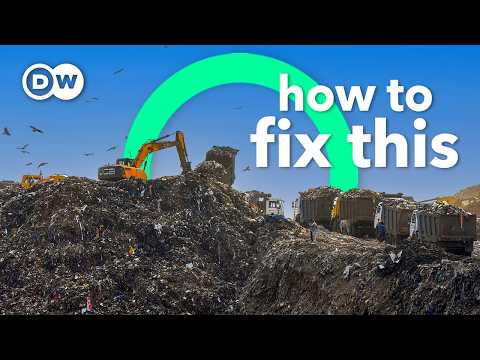
You know that feeling when you accidentally step in gum? It’s sticky, gross, and you just wanna get rid of it. Now, think about that but like a million times worse. Yep, that’s landfill pollution for you.
Every year, tons of waste end up in landfills, and it’s not just old pizza boxes and broken toys. We’re talking about stuff that can stick around for ages—like plastic bags that seem to have a personal vendetta against disappearing.
And here’s a kicker: the pollution from landfills can seep into our soil and water. Yikes, right? It’s like your neighbor’s dog digging through your flowerbed but on a global scale.
But don’t worry! There are some seriously cool solutions popping up to tackle this mess head-on. Let’s chat about the innovative ideas that are trying to make our planet a cleaner place—without stepping in any gum!
Innovative Pollution Control Methods: Advancements in Environmental Science and Technology
Pollution control is a hot topic these days, especially when it comes to landfill pollution. I mean, just think about garbage piling up for years and years—it’s a bit of a nightmare, right? So, there are some really innovative methods out there that scientists and engineers are cooking up to tackle this challenge. Let’s go through some cool advancements in environmental science and technology.
Bioremediation is one of the coolest approaches. This technique uses microorganisms—tiny bacteria and fungi—to break down organic waste in landfills. These little guys can actually eat away at the waste! For instance, when you throw away food scraps, certain bacteria can help decompose them faster, reducing the amount of waste that sticks around forever. It’s like having a microscopic clean-up crew!
Another fascinating option is landfill gas recovery. When waste breaks down anaerobically (fancy term for no oxygen), it emits gases like methane. Instead of just letting that gas float away into the atmosphere—which isn’t great for climate change—you can capture it! Think of it as recycling gas. Once collected, methane can even be used to generate electricity or heat, which is pretty incredible if you ask me.
We’ve also got advanced landfill liners. These aren’t just any liners; they’re made from materials designed to keep leachate—the gooey stuff that seeps out from landfills—from contaminating soil and water sources. Imagine layering defense systems to protect our environment! A well-designed liner can help ensure that toxic substances stay where they belong: inside the landfill.
And let’s not forget about waste-to-energy technologies. This method involves burning waste to produce energy. It sounds a bit controversial—after all, we are talking about trash here—but if it’s managed correctly with proper emissions control systems in place, it can significantly reduce landfill volumes while providing electricity at the same time!
You might also find composting popping up more often as an innovative solution for organic waste management. By composting food scraps instead of tossing them in landfills, we give them a second chance at life while enriching the soil rather than creating more pollution problems.
There’s something exciting about these advancements because they show how creative people can get when faced with environmental challenges. Remember that story about my friend who started composting during college? At first, it was just an experiment—his apartment was filled with veggie peels and coffee grounds! But eventually, he noticed how much garbage he was reducing and even ended up with rich compost for plants. It felt good knowing he was part of a solution.
In short, tackling landfill pollution isn’t just one big task; it’s about combining various methods—like bioremediation and capturing landfill gas—to create effective strategies that really work together! Each method has its strengths and helps paint a bigger picture of how we can live more sustainably on this beautiful planet we share. So yeah, every bit counts when fighting against pollution!
Exploring Innovative Scientific Solutions to Address the Landfill Crisis
So, let’s chat about this landfill crisis we have going on. It’s serious stuff! We generate a mind-boggling amount of waste every year. Seriously, it’s like mountains of trash piling up everywhere. Waste doesn’t just disappear; it sits around, decomposes, and releases nasty stuff into our environment.
This is where innovation comes into play. Scientists and engineers are working their tails off to find clever solutions to tackle this mess. Let me share some cool ideas that are popping up out there!
- Waste-to-Energy Plants: These are facilities that convert trash into energy. It’s like turning garbage into gold! The waste is burned at high temperatures, which generates steam that turns turbines and produces electricity. Some places are even capturing the heat from the burning trash to use for heating homes.
- Composting<!–: We throw away tons of food scraps and yard waste every year! Composting is a brilliant way to handle that organic waste. It turns those scraps into nutrient-rich soil you're right on your garden! It's like giving back to the Earth.
- Biodegradable Materials: There’s been a lot of buzz about materials that break down easily instead of sitting in landfills forever. Scientists are creating plastics made from natural materials like cornstarch and sugarcane. They can decompose within months instead of decades! Imagine if all those plastic bags turned back into soil?
- Upcycling: This one’s super creative! People are taking old items, like bottles or furniture, and turning them into something new and useful. Maybe you’ve seen some funky art made from scrap metal or furniture transformed into trendy home decor? It not only keeps stuff out of landfills but also encourages creativity!
- Advanced Recycling Technologies: Traditional recycling methods can be pretty limited. Now, there are cutting-edge technologies being developed that can recycle harder-to-process materials, like certain plastics that usually end up in landfills. One such method involves breaking down plastics back into their original monomers so they can be reformed into new products.
Just recently, I read about a project where researchers used machine learning to predict the best spots for recycling bins in urban areas based on foot traffic patterns and demographics. That way, people actually have access to them when they need them most!
The thing is, we all need to pitch in here too! It’s not just up to scientists; every time you choose reusable bags over plastic ones or compost your leftovers instead of tossing ‘em in the trash, you’re making a difference.
If we keep exploring these innovative solutions together—like changing how we think about waste—we may just turn this landfill crisis around.
Exploring Innovative Solutions for Hazardous Waste Management in Scientific Research
Hazardous waste management in scientific research is a big deal. Honestly, it’s like walking a tightrope—you’ve got to balance innovation and safety without tipping over into pollution or harm.
The thing is, when scientists work with chemicals, biological materials, or any substances that can be dangerous, they produce waste that can be really tricky to deal with. So many times, this waste ends up in landfills or even worse places. We need better ways to handle it, you know?
One innovative solution for managing hazardous waste is green chemistry. It’s not just a buzzword; it’s a whole approach that focuses on designing chemical processes that minimize hazardous substances from the start. For example, using less toxic solvents or finding alternative reactions can significantly reduce waste by not generating harmful byproducts.
Another cool strategy is waste-to-energy technologies. Basically, this means converting the hazardous waste into energy instead of just tossing it away. Some facilities do this by burning certain types of waste in a controlled environment where the resulting heat generates electricity. Sure, there are concerns about emissions and air quality—but when done right, it’s way better than sending everything to landfills.
Then we have bioremediation, which sounds fancy but is actually quite straightforward. It uses living organisms—like bacteria or plants—to detoxify hazardous materials. Imagine certain bacteria munching on oil spills or heavy metals and transforming them into harmless substances! Nature has its own clean-up crew.
And how about recycling programs? Many research labs are beginning to implement systems where they separate their waste right at the source—so plastic containers and glass vials don’t just end up in one big pile of trash. You might think it’s not much, but every little bit counts!
Finally, I can’t forget about education and training. You might think this falls under “boring,” but seriously—it’s super important! Researchers need to know how to handle hazardous materials safely and what proper disposal methods are available. When teams talk openly about their practices and problems faced in the lab? That creates an atmosphere where solutions can grow faster than harmful contaminants!
So yeah, folks are getting creative here! Businesses and research communities really have an opportunity—and responsibility—to innovate in ways that protect our planet from landfill pollution challenges associated with hazardous waste management in science. Because at the end of the day? We all breathe the same air and drink from the same water sources; making things cleaner makes sense for everyone!
You know, landfill pollution is one of those issues that doesn’t get enough attention. I mean, it’s not exactly a sexy topic, right? But it’s everywhere. When I was a kid, my family went on a road trip, and we stopped at this spot with a beautiful view of the countryside. As we were enjoying the scenery, I caught a glimpse of something off in the distance—just this massive mound of trash. It hit me hard. All that waste just sitting there, leaching into the ground and air.
Fast forward to today—landfills are still expanding, and finding innovative solutions to combat this problem is like searching for a needle in a haystack. But it’s crucial! There are some pretty cool ideas out there that could change the game.
One approach that’s gaining traction is recycling and composting. By rethinking what we throw away, we can reduce the amount of waste piling up in these landfills. Seriously, composting can turn food scraps into nutrient-rich soil instead of letting them rot away in a dump! You follow me? It’s about making smart choices each day.
Then there’s technology stepping in with some fancy tricks! For example, anaerobic digestion is like giving our organic waste a second chance at life. This process breaks down materials without oxygen and turns them into biogas—a cleaner energy source—while also creating fantastic fertilizer! That way, we’re tackling pollution while generating energy; it’s like hitting two birds with one stone.
And let’s not forget about upcycling! You know when you see old furniture turned into trendy decor? That kind of creativity reduces waste while inspiring others to see potential instead of trash! In fact, artists and inventors have started to use repurposed materials for everything from sculptures to housing solutions.
It really makes you think: if we all pitch in with these small changes and innovations, maybe one day landfill pollution won’t loom over us quite so heavily. Each little act adds up—you know?
So yeah, while tackling something as big as landfill pollution seems daunting at first glance, sparks of innovation remind us that change is absolutely possible if we’re willing to be creative together!