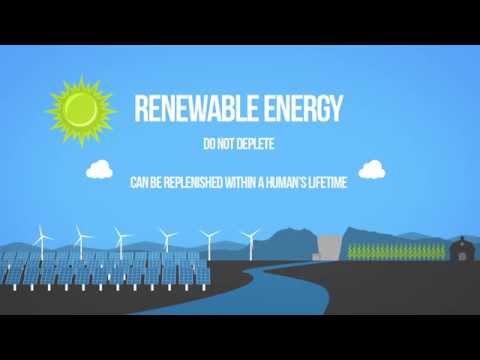
You know what’s wild? The Earth gets more energy from the sun in one hour than the entire world uses in a year. I mean, that’s like having a pizza the size of your town, and you’re just nibbling on crumbs.
So, let’s chat about renewable energy. It’s not just for tree huggers anymore. Seriously, more scientists are diving into it than ever before. Why? Well, fossil fuels are so last century.
Now, if you’re anything like me, you might be wondering just how many options we have when it comes to renewable energy sources. Spoiler alert: there are quite a few!
From solar farms that look like something out of a sci-fi movie to wind turbines spinning away in the countryside, there’s a whole world out there buzzing with potential. Let’s dive into this treasure trove of clean energy and see what we can uncover together!
2022 Comprehensive Guide to Renewable Energy Sources for Scientific Research
Renewable energy is such an exciting topic, especially for scientific research! You know, it kinda feels like we’re right at the forefront of something big. We’ve got a bunch of different renewable energy sources that scientists are diving into. Let’s break ’em down a little.
Solar Energy: This is probably the most well-known source. Think about all that sunlight just showering down on us every day. Scientists harness this energy using solar panels. It’s clean, abundant, and can be used for everything from powering homes to fueling scientific instruments in remote locations.
Wind Energy: Ever notice how those big wind turbines stand tall on hills? They’re capturing the power of wind. The process involves converting kinetic energy from moving air into electricity. It’s super efficient in places with strong winds and plays a critical role in reducing fossil fuel dependence.
Hydropower: Water is an incredible source! Hydropower uses flowing rivers or dams to generate electricity. It’s pretty neat because it can provide consistent energy as long as water flows. Some scientists use small-scale hydropower for experiments or even to power research stations.
Geothermal Energy: Imagine tapping into the Earth’s internal heat! That’s what this is all about. In certain areas, scientists can access hot steam or hot water from underground to create electrical power or heat buildings directly. It’s reliable and not weather-dependent, which makes it unique!
Bioenergy: This one’s kind of cool too! It’s derived from organic materials like plants and waste. Scientists convert these materials into biofuels, which can replace gasoline and diesel in transportation. Plus, it helps reduce waste!
Now let’s talk about how these sources are utilized in research.
Thinking back to one summer I spent at a research facility powered entirely by solar panels—it was incredible! We were there during a heatwave, but our lab stayed cool thanks to those panels soaking up the sun’s rays while running our equipment smoothly. It really hit me just how vital these renewable sources are not just for the planet but also for advancing science.
In short, renewable energy sources aren’t just buzzwords; they’re pivotal tools in scientific exploration and sustainability efforts worldwide. Each type has its own unique benefits and applications that researchers utilize daily, making sure we keep pushing towards a cleaner future!
Exploring the Five Fundamental Sources of Energy: A Scientific Overview
So, let’s talk about energy. You know, that thing we need to power our lives? There are five fundamental sources of energy that keep our world running, and not all of them are the same. Each has its quirks and benefits, so let’s break it down a bit.
Solar Energy: This is basically harnessing the power of the sun. Solar panels collect sunlight and convert it into electricity. It’s super clean and renewable. Just think about those sunny days when you can bask outside; well, you could also be generating energy! And hey, it works best in areas with lots of sunshine.
Wind Energy: Ever felt a strong breeze? That’s wind energy at play! Wind turbines catch those gusts and turn it into power. It’s like nature’s way of giving us a nudge. Whether on land or out at sea, this source has been making waves (pun intended) because it’s sustainable and doesn’t pollute the air.
Hydropower: Water is another big player in the energy game. Hydropower uses flowing water to generate electricity—think rivers or dams where water flows through turbines. It’s been around for ages and remains one of the most reliable sources out there. If you’ve ever been near a waterfall, you know how powerful moving water can be!
Geothermal Energy: Now here’s something cool! Geothermal energy comes from the heat stored beneath the Earth’s surface. It’s like tapping into an underground heating system—useful for generating electricity or even heating buildings directly! Countries like Iceland have mastered this method, taking advantage of their volcanic activity.
Biosenergy: Last but not least is biosenergy, which comes from organic materials like plants and waste products. When these materials are burned or converted into biofuels, they release energy that can replace fossil fuels. Think about using leftover food scraps to make fuel instead of throwing them away—it’s pretty neat!
So there you have it: five fundamental sources of energy that are essential for our modern world! We rely on them every day without even thinking about it sometimes. What happens next is really important; as we look toward a more sustainable future, understanding these sources will help shape how we use energy moving forward!
Comprehensive Analysis of Renewable Energy: A Research Paper PDF for Scientific Exploration
Renewable energy is a big deal these days. There’s so much buzz around it, and for good reason. Basically, it’s all about harnessing energy from natural, replenishable sources. You know, things like sunlight, wind, and water. These are not just trendy concepts; they’re vital for reducing our carbon footprint and tackling climate change.
So let’s break it down a bit. Here are some key sources of renewable energy that scientists are super interested in:
- Solar Energy: This is all about capturing sunlight using solar panels. When those rays hit the panels, they’re converted into electricity. It’s clean and pretty abundant—especially in sunny places!
- Wind Energy: Ever seen those giant windmills? They’re not just for show! Wind turbines convert the kinetic energy of wind into electricity. And believe me, on a windy day, they can generate loads of power.
- Hydropower: This involves using water flow—like rivers or dams—to produce electricity. It’s been around forever and can generate massive amounts of energy without polluting the air.
- Geothermal Energy: This is heat from beneath the Earth’s surface! You can tap into this heat to generate power or even to warm houses. It’s particularly useful in areas with volcanic activity.
- Bioenergy: Think plants! Biomass from plants can be converted into fuels like ethanol or biodiesel. It’s renewable because we can grow more plants and recycle organic waste.
- Tidal Energy: The ocean has its own way of creating energy through tides. Tidal turbines capture this movement to generate power—super reliable because tides are pretty predictable!
Now, if you’re diving deeper into research papers or exploring scientific analysis around this topic, there are tons of PDFs out there outlining different aspects of renewable energy sources—how they work, their benefits, challenges we face in implementation, you name it.
For instance, documents might explore how much land is needed for solar farms or the environmental impact of building wind farms in certain habitats. These are pivotal questions since we want to switch to renewable sources but also maintain ecological balance.
When reading through research papers on renewable energy—the technical ones—you’ll often find charts detailing efficiency rates or comparing costs between traditional fossil fuels and renewables over time. Isn’t that interesting? It shows how far we’ve come and where we need to head next.
A quick anecdote: I have a friend who lives near a huge wind farm—every time I visit him, I’m amazed at how those turbines twist and turn against the skyline. They look like gentle giants working hard to provide clean energy! With each spin generates power for countless homes nearby—it feels good knowing that something so simple can have such a big impact.
So if you ever get lost in all that scientific jargon while exploring these papers—not to worry! Just remember: it’s all about finding smart solutions for our planet’s future using what nature gives us freely.
In short: renewable energy is here to stay—and studying it helps us make better decisions moving forward!
So, let’s chat about renewable energy sources. You know, it’s one of those topics that’s really buzzing these days, and for good reason. A couple of weeks ago, I was sitting with a friend who works at a local renewable energy startup. As we sipped our coffee, he shared his excitement about harnessing wave energy. I mean, seriously, how cool is it that the ocean can power our homes? It got me thinking about how many different renewable sources are out there.
First up, we have solar energy. It’s like the superstar of renewables—sunshine transforms into electricity through solar panels on rooftops or solar farms. Remember your childhood summers spent outside? Imagine collecting all that sunshine and turning it into power!
Then there’s wind energy. Have you seen those massive wind turbines spinning gracefully on hillsides or offshore? They’re not just pretty; they’re capturing the wind’s kinetic energy and converting it to electricity too!
Geothermal power is another gem in this mix! It taps into the heat from within the Earth. Picture hot springs or bubbling mud pots; nature’s own heat source can be transformed into steam to generate electricity.
And let’s not forget biomass energy. This one is kind of nifty because it turns organic materials—like plant waste or even leftover food—into usable fuel. So each time you compost, you’re kinda helping out!
Hydropower has a long history too! Large bodies of water flowing through dams create a lot of potential energy that can be turned into electricity as well.
Oh! And don’t overlook tidal energy—this one’s like the shy cousin in the group but totally worth mentioning. Tidal power generates energy from ocean tides and currents; it’s so consistent since tides are driven by the moon’s gravity.
Every source has its quirks and specific applications, which makes them unique in their own way. The thing is, though, while they each have their individual charms and benefits, they all share a common goal: reducing our reliance on fossil fuels for a greener planet.
Honestly? I think it’s pretty exciting to see how far we’ve come in understanding these sources—and what lies ahead as scientists continue to innovate and develop new technologies! Every little bit helps in this ongoing journey toward sustainability. So next time you flip that light switch or plug in your phone, maybe take a moment to think about where that power comes from and the wonders behind it!