You know what’s annoying? Walking down the beach, feeling all relaxed, and then—bam!—you trip over a plastic bottle. Seriously, it’s like every step comes with a surprise trash obstacle course!
Litter pollution is everywhere, right? It’s not just gross; it messes with our environment big time. Think about those poor sea turtles mistaking plastic bags for jellyfish. Ugh!
But don’t freak out just yet! Science isn’t just sitting back sipping coffee while this mess happens. Nope! There are some seriously cool innovations popping up to tackle this issue.
So, let’s chat about how clever minds are working hard to clean our world. Because honestly, if we don’t step it up, those beaches might just turn into one big recycle bin!
Emerging Technologies in Science to Combat Plastic Pollution: Innovations Shaping a Sustainable Future
So, plastic pollution is a pretty big deal these days, huh? We see plastic in oceans, parks, and even in the food we eat. It’s a mess! Luckily, scientists are stepping up with some cool tech to help tackle this issue. Here’s a closer look at some of the emerging technologies making waves in the fight against plastic waste.
1. Biodegradable Plastics
First off, let’s chat about biodegradable plastics. Unlike regular plastics that take centuries to break down, these new materials can decompose in just a few months under the right conditions. They’re made from natural sources like corn starch and sugarcane. Imagine wrapping your sandwich in something that won’t sit in a landfill forever! This shift could make a huge difference.
2. Enzymes That Eat Plastic
Here’s something wild: scientists have discovered enzymes that literally munch on plastic! These little guys can break down PET (the kind used in water bottles) into simpler parts within days instead of years. It’s like having tiny vacuum cleaners that gobble up your trash! And researchers are still working on optimizing these enzymes to make them even more efficient.
3. Floating Barriers
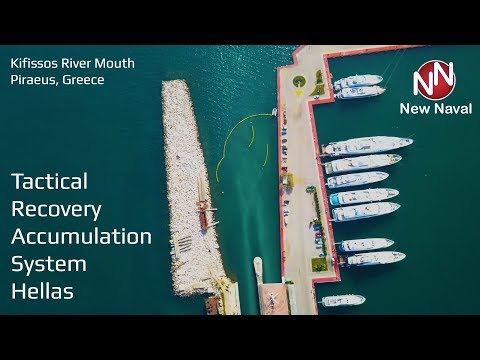
Now let’s talk about physical solutions, like floating barriers designed to catch plastic waste before it drifts out into the ocean. These barriers work by creating a sort of net effect on the water’s surface—think of it as how a fishing net catches fish but for trash instead! Once collected, this garbage can be recycled or disposed of safely.
4. Ocean Clean-Up Projects
There are also innovative projects focused on cleaning up existing pollution hotspots like the Great Pacific Garbage Patch. New systems use boats equipped with large screens to scoop up debris while letting marine life pass through unharmed. It’s an ambitious plan, but it shows how determined people are to create change.
5. AI and Robotics
And speaking of ingenuity, artificial intelligence is lending a hand too! AI-powered robots can identify and separate different types of waste automatically at recycling facilities—sorta like having super-intelligent helpers working around the clock to ensure recyclables don’t end up as landfill fodder.
6. Education and Community Involvement
But you know what? Tech isn’t everything; community involvement is huge too! Educating people about responsible consumption and recycling habits helps reduce demand for single-use plastics right from the start. Programs encouraging beach clean-ups not only tidy up our coastlines but also foster environmental stewardship among participants!
So yeah, while we’re still in deep waters when it comes to plastic pollution, these emerging technologies represent hope for shaping a sustainable future where our planet can thrive without drowning in waste. Each innovation offers exciting possibilities—not just for cleaner oceans but for healthier ecosystems all around us!
Innovative Scientific Strategies to Combat Pollution: Solutions from Environmental Science
Pollution’s like that annoying guest who won’t leave the party, right? It creeps into our air, water, and soil, and it’s not just a problem for scientists in lab coats—it’s something we all have to face. You know, litter pollution is a real kicker because it affects wildlife, ecosystems, and even our own health. But hey, there are some cool strategies in environmental science aiming to tackle this mess.
First off, let’s talk about **biodegradable materials**. Traditional plastics can take hundreds of years to break down. That’s insane! Scientists are developing materials from natural sources that decompose much faster when thrown away. These alternatives help reduce the amount of junk hanging around in our parks and oceans.
And then there are **clean-up technologies** that are pretty nifty! Think about drones or robots specifically designed for picking up litter. Seriously! These devices can patrol areas, identify trash through AI (that’s artificial intelligence), and collect it before it becomes part of the problem. Imagine a little robot zooming around your local beach scooping up plastic bottles—awesome visual, right?
Recycling innovation is also making waves. Some researchers have created advanced processes that can break down plastics into their original raw materials so they can be reused. This method not only reduces waste but also cuts down on the need for new plastic production. Pretty neat how we’re recycling recycling.
Now let’s not forget about community involvement. Educating people about litter prevention is crucial! Programs that engage local communities in cleanup efforts make a big difference. Plus, they foster a sense of responsibility towards keeping environments clean and healthy—when you get involved personally, you tend to take better care of your surroundings.
Lastly, there’s this exciting thing called **pollution tracking** using satellite technology! Some satellites can monitor pollution levels from space—like watching over our planet with a superhero’s vision! This data helps pinpoint hotspots of litter pollution so cleanup efforts can be more targeted and effective.
So yeah… there’re loads of innovative scientific strategies out there working hard against pollution every day. Each step counts! Whether it’s using cooler materials or gathering the community to pitch in; these efforts help create cleaner environments for everyone—and that’s something we should all cheer for!
Exploring Scientific Solutions to Combat Pollution: Innovations and Strategies for a Sustainable Future
Pollution, especially litter pollution, is a big issue these days, and it’s affecting our planet in ways that are hard to ignore. Basically, when we toss trash carelessly, it doesn’t just go away; it harms wildlife, clogs waterways, and messes up our beautiful landscapes. But here’s the good news: scientists and innovators are stepping up to tackle this problem with some pretty cool solutions.
One approach that’s gaining ground involves using technology to clean up our messes. For example, drones equipped with sensors can scan areas for litter. They help locate where the trash is piling up, which makes cleanup efforts more efficient. It’s like having a high-tech trash detective in the sky!
Another interesting innovation comes from materials science. Researchers are developing biodegradable plastics that break down more easily than traditional options. Imagine drinking from a straw that doesn’t linger in landfills for hundreds of years! Instead of plastics sitting around forever, these new materials can decompose naturally. It feels like a breath of fresh air for our environment.
- Bioremediation: This technique uses living organisms – think bacteria or fungi – to clean polluted environments. They can break down harmful substances into less toxic forms! Pretty neat, huh?
- Recycling advancements: Recycling processes are constantly improving as well. New methods allow us to recycle complex materials that were previously deemed non-recyclable!
- Education and community involvement: Sometimes solutions come from grassroots movements where communities band together to clean parks and beaches. These efforts not only tidy up local areas but also raise awareness about littering issues.
You know what they say: “Many hands make light work.” When everyone pitches in to keep their surroundings clean and respect nature, it makes a huge difference.
Anecdote time! I remember going on a beach trip once with some friends. We had the best time building sandcastles until we noticed trash washed ashore—everything from plastic bottles to old flip-flops! Instead of just complaining about it, we grabbed some bags and started picking it all up. By the end of the day, we not only left the beach cleaner but also felt like we had done something meaningful together!
The bottom line? Fighting pollution takes creativity and teamwork. Scientists are coming up with smart solutions while communities rally together to make a change on the ground level. With innovation at play and people ready to roll up their sleeves, there’s hope for a cleaner future ahead!
You know, litter pollution is one of those things that’s kind of hard to ignore. I mean, just think back to that time when you were walking along the beach, and instead of feeling the soft sand beneath your feet, you saw plastic bottles and wrappers scattered everywhere. It’s a downer, right? That moment really hit me because it made me think about the impact we have on our planet.
So, here’s the thing: litter isn’t just an eyesore; it messes with ecosystems and wildlife too. Animals can get tangled up in it or even mistake it for food. And let’s face it—no one wants to live in a world where creatures are choking on plastic. But here’s where science jumps in like a superhero!
There are some seriously cool innovations happening right now aimed at tackling this problem. For instance, researchers are developing biodegradable materials that break down naturally over time instead of hanging around for hundreds of years like traditional plastics. It feels hopeful to think that one day we might not have to worry about those pesky microplastics sneaking into our food chain.
Then there are clean-up technologies—like drones equipped with sensors to find litter hotspots or robots designed specifically to clean up oceans and rivers. Imagine a robot picking up trash while we sip our coffee nearby! It’s wild how tech can change the game for keeping our environment clean.
And let’s not forget about community initiatives fueled by scientific knowledge! Schools and local groups are using data to understand where the most litter accumulates and rallying together for clean-up days. When people come together with a shared purpose, it creates this amazing sense of community spirit! Like that moment when you see folks with their gloves on, smiles on their faces, all banding together for something bigger than themselves.
So, yeah, combatting litter pollution might seem daunting at times; however, thanks to scientific innovation and community effort, there’s hope on the horizon. And each little action counts—whether it’s picking up trash after a picnic or supporting companies making sustainable products—it all adds up in the end!