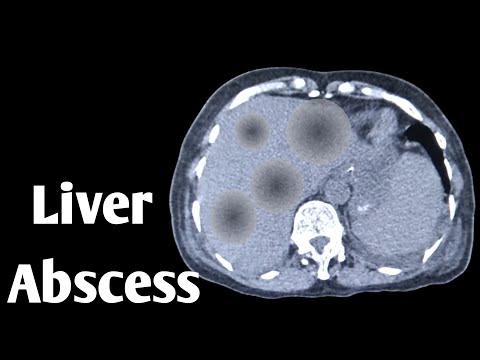
So, picture this: you’re at a party, and someone brings up their liver. Yup, just like that. It gets kinda awkward, right? But here’s the thing—it’s actually super interesting when you think about it!
Liver abscesses are one of those topics that sound scary. They’re basically pockets of infection, and they can mess with your body in some serious ways if left unchecked. But don’t worry! There’s a whole world of radiology out there to help us figure it all out.
You know those moments when you just feel off? Maybe it’s a weird ache or fatigue that won’t quit. That’s where understanding liver issues comes in handy! Radiologists use fancy imaging techniques to spot what’s going on inside us without having to crack anything open, which is pretty cool if you ask me.
So grab your favorite snack and let’s take a casual stroll through the world of liver abscess diagnosis and treatment. You’ll see—it’s way more captivating than it sounds!
Comprehensive Approaches to Liver Abscess Treatment: Insights from Medical Research
Liver abscesses can be a pretty serious health issue. They’re basically pockets of pus that form in the liver, often caused by infections or other underlying conditions. And let me tell you, dealing with them requires a multi-faceted approach. You want to tackle not just the abscess itself but also any related complications.
Diagnosis is the first step. Radiological techniques are key here. When doctors suspect a liver abscess, they usually start with an ultrasound or CT scan. These imaging tools help visualize the abscess size and location. For instance, a CT scan can clearly show if it’s a single or multiple abscesses. Knowing this is super important for planning treatment!
Now onto treatment. There are generally two big methods:
Antibiotics are kind of standard for treating infections, but they might not always clear things up on their own.
Sometimes, doctors need to go further. This is where procedures come into play! One common method is aspiration. That’s when they use a needle to drain the pus from the abscess—kind of like squeezing a pimple (but way more medical!). This can relieve pressure and help with healing.
And then there’s drainage—usually done with ultrasound guidance. A tube might be inserted into the abscess to allow continuous drainage. This method can keep draining fluids until it heals completely.
Research insights show that combining these approaches tends to yield better outcomes. For example, studies found that patients who received both antibiotics and procedural interventions often recovered faster than those getting just one of those treatments.
Also important? Follow-up care! It can’t be understated how crucial it is to monitor recovery afterward. Regular imaging helps ensure that the abscess isn’t returning and everything’s healing as it should.
In summary, treating liver abscesses isn’t just one-dimensional; it’s about combining diagnostic tools with targeted therapies and ongoing monitoring to make sure you’re on track for full recovery! So yeah, each part plays a role in reclaiming health and well-being after such an episode!
Comprehensive Guidelines for Liver Abscess Treatment: Download the Latest PDF Resource
Sure! Here’s a casual take on liver abscess treatment that keeps it informative without sounding promotional or fancy.
Liver abscesses, those little pockets of pus in your liver, can be a real pain. They often come from infections that spread to the liver, whether it’s from bacteria, parasites, or other nasty bits. Treatment is crucial because if left alone, they can lead to serious complications. So, what should you know about treating these guys?
Diagnosis first: Before jumping into treatment, doctors usually use imaging techniques like ultrasound or CT scans to spot an abscess. These tools are super helpful for determining its size and location. You want to get it right!
Once diagnosed, the road ahead involves a few key steps:
- Antibiotics: If it’s bacterial — which is pretty common — you’ll be given antibiotics to tackle that infection head-on. Sometimes they even do a blood test to figure out which bugs are causing trouble.
- Drainage: For larger abscesses or those causing symptoms (think pain and fever), drainage might be the way to go. This often means inserting a needle guided by imaging tech to suck out the pus.
- Surgery: In rare cases where things are really complicated or if there’s no improvement with other treatments, surgery might be necessary. The docs would go in there directly to clean things up.
- Follow-up care: After treatment, keeping an eye on things is super important. You might need more scans down the line just to ensure the abscess hasn’t returned.
Think about this: imagine you’re feeling fine but then suddenly hit with fever and stomach pain. After a visit to the doctor and some imaging tests, you find out you have a liver abscess! It’s like being thrown into an unexpected turn of events in your favorite TV series.
Now let’s talk about something important: prevention. If you’ve had issues before related to certain infections (like amoebic dysentery), staying on top of your health is key! Regular check-ups can help catch any potential problems early.
So remember: listening to your body is crucial. If something feels off for too long—don’t brush it aside! Getting timely medical attention can make all the difference in avoiding complications down the road.
In summary? Liver abscesses need careful diagnosis followed by targeted treatment like antibiotics and possibly drainage or even surgery in tricky cases. And of course, regular follow-ups are part of that deal too! Keeping informed helps feel less anxious when confronting something as serious as this; knowledge really is power!
Understanding Liver Abscess Symptoms: Key Indicators and Clinical Insights
So, you’ve heard about liver abscesses and maybe you’re like, what even is that? Well, liver abscesses are pockets of pus in the liver caused by infections. They might sound scary, but understanding the symptoms can help you catch them early and get treated. Let’s break down what to look for.
Common Symptoms: The symptoms of a liver abscess can vary a bit from person to person, but here are some key indicators:
- Abdominal Pain: You might feel pain in the upper right part of your belly. It can be dull or sharp, depending on the size of the abscess.
- Fever: Many people with an abscess experience a fever that could be low-grade or higher. If you suddenly find yourself feeling really hot and sweaty, it’s worth noting.
- Nausea and Vomiting: It’s pretty common to feel queasy or even throw up. Your stomach might not take kindly to what’s going on in your liver.
- Weight Loss: If you’re noticing that your clothes are fitting a little looser without any effort on your part, it could be a sign of an underlying issue.
- Lethargy: Feeling unusually tired or weak? That could be another clue that something’s off.
You know, it reminds me of a friend who thought she just had a stomach bug for weeks. She was so tired and kept losing weight without trying! Turned out she had an abscess brewing and didn’t even know it until she went to the doc.
Clinical Insights: When doctors suspect a liver abscess based on these symptoms, they often turn to imaging techniques like ultrasound or CT scans for confirmation.
- Ultrasound: This is usually the first step because it’s quick and doesn’t involve radiation. It helps visualize if there’s fluid in the liver area.
- CT Scan: If more detail is needed, a CT scan comes into play—this gives doctors clearer images of the abscess size and location.
If somebody’s diagnosed with a liver abscess, treatment usually involves antibiotics to tackle any infection. Sometimes if the abscess is big or not responding well to meds alone, they might have to drain it. Sounds intense, right? But draining it can relieve symptoms quickly!
The key takeaway here is that recognizing symptom patterns early could make all the difference in treatment success. So if you notice any odd changes in your body—especially those symptoms we talked about—don’t hesitate! A chat with your healthcare provider could set things straight.
The liver is this incredible organ, doing all sorts of things that keep your body running smoothly. But, sometimes it can get into some trouble, like forming a liver abscess. If you’ve ever dealt with health issues or had a friend who did, you know how distressing it can be to face the unknown. I remember when my cousin was diagnosed with one; we were both freaking out about what that meant. It made me realize just how important understanding these things is for everyone.
So, a liver abscess is basically a pocket of pus that forms in the liver usually due to infection or something else going wrong. It’s like your body saying, “Hey! We’ve got an issue here!” Radiology steps in here as a key player in both diagnosing and figuring out treatment options because, let’s face it, looking inside our bodies without actually opening them up is pretty amazing.
When doctors suspect an abscess, they often turn to imaging techniques like ultrasound or CT scans. These tools are super helpful because they can show the size and location of the abscess while also spotting any other problems lurking around. Seeing those images can be surreal—like watching a movie of something happening inside you! You realize just how complex everything is and how these radiant images guide decisions on treatments.
And treatment? Well, that can mean different things depending on what’s going on. Sometimes antibiotics might do the trick if it’s not too complicated. Other times—in more severe cases—it might involve draining the abscess. That sounds intense, right? But with modern medicine and radiology guiding the way, it’s much safer than it sounds.
Honestly, thinking about liver abscesses makes me appreciate science even more—not just for diagnosing but also for connecting dots between symptoms and solutions. Those radiological insights literally save lives by helping doctors make informed decisions based on what’s really happening inside our bodies.
So yeah, even though it can be scary to think about health issues like this one, having tools like imaging technology makes navigating through those unknowns a lot less daunting! It reminds us that we’re not alone in this journey; there are always people working hard behind the scenes to help us understand what’s going on and find ways to fix it when things go awry.