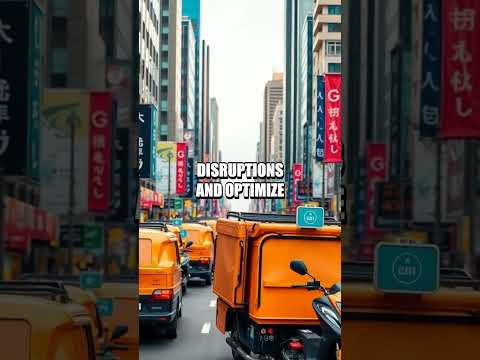
So, the other day I was trying to order a pizza, right? I got all excited about it. You know how it is—you’re daydreaming about that cheesy goodness. But then, bam! The delivery time just kept bouncing around like a rubber ball! Talk about frustrating!
Honestly, supply chains are kinda like that pizza order. They can be super complicated and unpredictable. But here’s the fabulous part: machine learning is stepping in like a superhero, ready to save the day!
Imagine predicting when your favorite snacks will hit the shelves before they run out or figuring out exactly how many eggs to stock up on during a holiday rush. It’s wild how these tech advancements are changing the game for businesses everywhere.
So let’s chat about how this whole machine learning thing is optimizing supply chains and making our lives a bit easier—because who doesn’t want smoother deliveries for their late-night cravings?
Leveraging Machine Learning Advancements for Enhanced Supply Chain Optimization: A Comprehensive Analysis
So, let’s talk about how machine learning is shaking things up in the world of supply chains. You know, that whole process of getting things from point A to point B? It sounds simple, but it can get super complicated, especially when you toss in factors like demand changes, shipping delays, or inventory mishaps. But here’s where machine learning comes into play.
Basically, machine learning helps systems learn from data and improve over time without being explicitly programmed for every single scenario. Imagine you’re playing a video game where each time you die, you learn from your mistakes and get better—you can level up the same way with supply chains!
One major impact of machine learning is its ability to predict demand more accurately. Instead of just guessing how many products will sell next month based on last year’s info—which can be really off—machine learning algorithms analyze tons of data points. They look at trends from previous years, seasonal changes, market conditions, and even social media buzz. This means companies can stock up on what people actually want to buy rather than what they think they should sell.
Another cool thing? Optimizing routes for delivery. Think about logistics: an efficient route saves time and cut costs. Machine learning can crunch data about traffic patterns or weather conditions in real-time to find the best path for delivery trucks. That means fresher food arriving sooner and less fuel wasted. And who doesn’t love that?
Also, let’s not forget how machine learning aids in risk management. Remember that time your favorite store ran out of something just before the holidays? It often happens because suppliers fail to deliver on time due to unexpected events like natural disasters or political issues. Machine learning helps businesses analyze these risks by predicting potential disruptions so they can have backup plans ready.
In addition to all this, inventory management gets a serious upgrade too! Instead of keeping piles of stock that may or may not be needed (which often leads to losses), smart algorithms adjust inventory levels dynamically based on real-time data—like suddenly needing more sunscreen when an unexpected heatwave hits!
So basically:
- Demand Prediction: More accurate understanding of customer needs.
- Route Optimization: Efficient delivery paths save time and money.
- Risk Management: Better preparedness for disruptions.
- Inventory Management: Smart stock adjustments keep things fresh.
To wrap it up: using machine learning in supply chain optimization isn’t just a fancy tech trend; it’s changing the way companies operate day-to-day! By leveraging these advancements, businesses aren’t merely surviving—they’re thriving and adapting faster than ever before! When used correctly, these technologies mean happier customers with better products at their fingertips—what’s not to love?
Revolutionizing Supply Chain Management: A Comprehensive Review of Deep Learning and Machine Learning Techniques in Scientific Applications
When you hear about deep learning and machine learning, you might think of robots or cool apps, but there’s a lot more going on, especially in the world of supply chain management. So let’s break it down, shall we?
The supply chain is basically all the steps involved in getting a product from its origin to your hands. It sounds simple, but it can be pretty complex. Think about all the movements—sourcing materials, manufacturing, shipping, warehousing, and finally delivering products to stores or directly to you. That’s where machine learning (ML) comes into play.
Machine learning involves using algorithms that improve automatically through experience. In this context, it’s like teaching a computer to learn from data so it can make decisions or predictions based on patterns.
- Demand Forecasting: Using ML models helps companies predict how many products they’ll sell in the future. Imagine a grocery store knowing exactly how many avocados they need before guacamole season hits! This means less waste and happier customers.
- Inventory Management: By analyzing sales data and trends, ML can optimize stock levels. No more running out of that trendy item everyone wants or having too much inventory collecting dust!
- Logistics Optimization: With deep learning techniques, companies can find the best routes for shipping. You know those apps that tell you the fastest way home? It’s similar! The idea is to save time and costs while ensuring packages arrive on time.
- Supplier Selection: Evaluating suppliers isn’t just about cost; it’s also about reliability and quality. Machine learning can help analyze past performances of suppliers to make smarter choices.
- Anomaly Detection: Sometimes things go wrong—like a shipment that never arrives! Deep learning models can identify unusual patterns or discrepancies in data that may indicate issues early on.
A real-world example is Amazon using these technologies extensively in their warehouses and delivery systems. They have automated processes like picking items using robots guided by sophisticated algorithms that keep improving over time—seriously impressive stuff!
The emotional side? Picture workers relieved from mundane tasks as machines take over routine jobs while allowing people to focus on more strategic roles. That sense of teamwork between humans and AI is kind of cool!
You might wonder if this tech is perfect—well, not quite! There are challenges like data privacy issues and the need for high-quality data to train these models effectively. Sometimes tech doesn’t work as expected if the underlying data isn’t robust enough.
The future? With advancements happening every day in machine learning and deep learning tech, expect supply chains to become even more efficient and responsive over time—a win-win situation for everyone involved!
Revolutionizing Supply Chain Management: An Innovative Machine Learning Model for Enhanced Efficiency and Decision-Making
So, let’s talk about something that’s pretty cool: how machine learning is changing the game for supply chain management. You might be thinking, “What’s that all about?” Well, let me break it down for you!
First off, **supply chain management** is basically how companies get their products from point A to point B. It’s not just about moving stuff around; it involves planning, coordinating, and managing everything from raw materials to delivery. Think of it like a big puzzle where every piece needs to fit perfectly.
Now, here’s where **machine learning** comes in. You know how your phone learns what kind of music you like? Well, machine learning can do similar things with data in the supply chain. It analyzes tons of information—like customer preferences or delivery times—and helps companies make smarter decisions.
- Predictive analytics: This aspect takes historical data and spots trends. For instance, if sales of ice cream spike during summer months, machine learning can forecast when to ramp up production.
- Inventory management: With machine learning models tracking stock levels and sales patterns, businesses can minimize waste and avoid empty shelves when demand is high.
- Risk assessment: If there’s a factory shutdown due to weather or strikes, machine learning helps predict the impact on the supply chain and suggests alternatives.
Let me tell you a quick story. Picture a bakery trying to decide how much bread to bake each day. Too little means angry customers—nobody likes showing up for a fresh loaf only to find an empty shelf! But too much? That leads to stale bread that nobody wants. Well, with the help of machine learning models analyzing sales data from previous weeks—like which types of bread sold best on weekends—the bakery can whip up just the right amount every day!
Machine learning models also enhance decision-making by providing **real-time insights**. Imagine you’re managing logistics for a company and suddenly there’s an unexpected delay in shipping due to traffic or weather conditions. A smart system powered by machine learning can quickly analyze real-time data from various sources and suggest alternate routes or even new suppliers who might have what you need.
In addition, using machine learning in supply chains isn’t just beneficial but necessary as we move toward more complex global markets where consumer demands shift rapidly. Companies that fail to adapt risk falling behind.
But hey—it’s not all sunshine and rainbows. There are challenges too! Data privacy concerns are definitely something companies have to navigate carefully… You don’t want personal info about customers floating around carelessly!
To wrap this up—it really seems like the future of supply chain management is bright with these innovative machine-learning models leading the charge towards greater efficiency and smart decision-making! So next time you grab something off a store shelf? Just know that there’re some pretty sophisticated processes working behind the scenes making sure it got there just for you!
You know, machine learning is one of those things that sounds super techy and a bit intimidating at first. But when you think about it, it’s really just like teaching a computer to learn from data and make decisions. Imagine you’re trying to figure out the best way to get your favorite pizza delivered—like how to avoid traffic or pick the quickest route. That’s what machine learning does for supply chains, just on a much larger scale.
I remember reading about a company that used machine learning to optimize their inventory management. They had all these fancy algorithms analyzing everything from sales trends to weather patterns—yes, even the weather! And it turned out that on rainy days, people ordered more pizza than usual. Who knew?
So what’s actually happening here? Basically, supply chain optimization involves making everything run smoother—from sourcing materials to getting the final product into customers’ hands. Machine learning helps companies predict demand more accurately and manage their inventories accordingly. It’s like having an assistant who knows exactly when you need more stock without you having to keep track of every tiny detail.
But here’s the kicker: this kind of AI-driven optimization isn’t just about saving time or reducing costs; it’s also about sustainability. With better predictions and streamlined operations, companies can reduce waste significantly. Imagine how many resources could be saved if products weren’t made until they were truly needed!
I think people often overlook how personal these tech advancements can be. When you order something online and it arrives just when you need it (or sometimes even quicker), there’s a whole mini-revolution happening behind the scenes thanks to machine learning in supply chain management. It’s all those algorithms crunching numbers while you’re busy binge-watching your favorite series.
In a nutshell, these advancements are changing how businesses operate day by day. It’s not only making them smarter but also shaping our experiences as consumers in ways we might not even realize—like that seamless pizza delivery! So, yeah, next time you get your food or package on time, give a little nod to all that tech magic working behind the scenes!