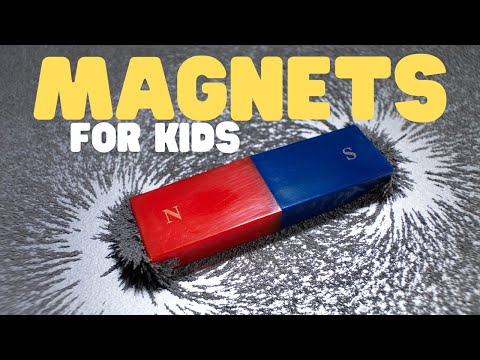
You know that moment when your favorite fridge magnet just suddenly refuses to stick? It’s like, come on! You had one job! Seriously though, magnets are cooler than we give them credit for. They’re not just for holding up those adorable photos of your dog or the takeout menu you swear you’ll use.
Magnet science is actually all around us. From the tiny earbuds in your pocket to that stylishly sleek electric car zooming by, they all rely on magnets. And it’s not just tech stuff—think of how compasses guide adventurers through the wild or how MRI machines help doctors peek inside us.
So, let’s break down what magnets really are and why they’re pivotal in making our everyday lives a bit easier and way more interesting. Ready? Hang tight as we explore this fascinating world together!
Exploring the Role of Magnets in Everyday Technology: A Scientific Perspective
So, let’s chat about magnets and how they’re like the unsung heroes of our daily tech lives! You might not even notice them, but these nifty little guys are everywhere. Seriously, they play a huge role in making many of your favorite gadgets work smoothly.
First off, what exactly are magnets? Well, you probably remember from school that magnets have two poles: north and south. They create a magnetic field that can attract specific metals like iron and nickel. When you bring one magnet close to another, they either pull each other in or push away based on those poles. Pretty cool, right?
Now, let’s talk about some everyday technology. Here are a few examples where magnets take center stage:
- Refrigerators: Ever noticed how your fridge door just clicks shut? That’s thanks to magnetic seals! These seals keep the cold air in and help your food stay fresh.
- Smartphones: Your phone has tiny magnets that help with various functions. For example, they assist in positioning components inside and even in some cases with wireless charging!
- Speakers: In your earbuds or home speakers, magnets work hand-in-hand with coils of wire to create sound waves. When music plays, those magnets vibrate to produce sound. It’s all about making those beats come alive!
- Credit cards: Did you know there’s a magnetic strip on the back of your credit card? It stores data you need for transactions—just swipe it through a reader and voilà!
You might be thinking… Why are these things important? Well, it’s because the tech we rely on daily would struggle without them! Magnets make our devices smaller and more efficient while keeping their functionality intact.
Oh! Let me share a little story here. Once during a thunderstorm, my neighbor’s power went out while mine stayed on. He was baffled until I pointed out I had one of those fancy surge protectors that use magnet technology to protect against electrical spikes. He thought his old setup was good enough until he learned how much better mine worked thanks to hidden magnetic components!
The science behind why it works is pretty interesting too! You see, with the right material (like iron alloys), when they’re exposed to a magnetic field, they can become magnetized themselves. This is how hard drives store data—information is saved as magnetized areas on the disk surface.
And if we’re talking about future possibilities… well! Magnets are at the core of many exciting innovations like maglev trains which use magnets for almost frictionless travel! Imagine zooming along just inches above the tracks—super fast!
So there you have it—magnets might seem simple at first glance but they pack quite a punch when it comes to keeping our technology working efficiently every day. Just take a moment next time you’re using your gadgets or opening the fridge door; appreciate those little forces doing their job behind the scenes!
20 Everyday Applications of Magnets: Exploring Their Role in Science and Daily Life
Sure! Let’s talk about magnets and how they sneak their way into our daily lives. You might not even realize it, but these little wonders of science are all around you. From your fridge to your phone, magnets play a crucial role in a bunch of stuff we use every day.
1. Refrigerators: Ever noticed how the door closes just right? That’s a magnet doing its thing! Fridge magnets keep that cool air inside, helping your food stay fresh.
2. Credit Cards: The black stripe on the back? Yep, that’s magnetic tape! It stores your card info so when you swipe it at a store, the reader can understand who you are.
3. Speakers: Love music? Those sounds come from speakers that use magnets to move the cone back and forth, creating vibrations we hear as sound.
4. Earbuds: Similar to speakers, earbuds have tiny magnets inside that help produce sound from those little drivers tucked away in there.
5. Hard Drives: Your computer or laptop likely has a hard drive with magnets inside that read and write data magnetically—kind of like magic!
6. MRI Machines: In hospitals, MRI machines use powerful magnets to create images of your insides without any harmful radiation.
7. Magnetic Levitation Trains: These trains float above the tracks using powerful magnets, making them super fast and smooth because there’s no friction slowing them down.
8. Magnetic Locks: Some doors have magnetic locks which are great for security since they need a specific key card or fob to open.
9. Compasses: When you’re lost in the woods (or just heading to a new cafe), compasses use Earth’s magnetic field to point you towards the North.
10. Magnetic Toys: Toys like building blocks may seem simple but often rely on small magnets to help kids snap pieces together easily.
11. Hard Disks for Gaming Consoles: Just like regular hard drives in computers, these also use magnetic technology for fast data access—important when you’re trying to beat that level!
12. Electric Motors: Most gadgets—like fans or tools—use electric motors powered by magnets that get things spinning with ease!
13. Maglev Elevators:. Some fancy buildings have elevators using magnetic levitation so they can zoom up floors quickly without cables!
14. Magnetic Therapy Products:. Some believe wearing magnetic bracelets helps relieve pain though scientific support is debated—nevertheless, they’re popular!
15. Refrigerator Magnets as Decor:. Not everything’s serious! Those funky fridge magnets you collect? They add personality while utilizing magnetism too!
16. Emergency Flashlights: The ones you shake instead of turn on often have small permanent magnets powering simple circuits—a cool trick when batteries run out!
Your phone camera might rely on tiny electromagnetic coils for focusing certain aspects quickly and seamlessly every time you snap pictures.
Toy cars or drones sometimes utilize magnets for smooth movement and control via remote signaling—they zoom around like pros thanks to these hidden helpers!
A lot of electric toothbrushes include small motors powered by electromagnets which work silently away while keeping your pearly whites clean!
So basically—you see how essential these little guys are? From tech gadgets we depend on daily to fun toys we play with—they’re everywhere! Every time you pop open the fridge or listen to some tunes, remember there’s some science magic behind it all!
The Significance of Magnetism in Advancing Science and Technology
Magnetism is one of those things that’s all around us, even if we don’t always notice it. It’s not just about sticking things to your fridge, you know? It plays a massive role in both science and technology. So, let’s break it down a bit.
There’s a lot going on with magnetism under the surface. You’ve got these little particles called electrons, which spin around atoms like tiny top players. When they spin in the same direction, they create a magnetic field. Isn’t that cool? The Earth itself acts like a giant magnet, with magnetic fields protecting us from harmful solar radiation and helping navigate using compasses.
Now, when we talk about everyday technology, think of electric motors for a sec. They’re everywhere! From washing machines to fans, electric motors rely on magnetism to convert electrical energy into motion. Without magnets, these devices would just sit there looking pretty and doing nothing.
- Data Storage: Hard drives use magnetic fields to read and write information. They store bits by flipping tiny magnetic bits up or down.
- Medical Imaging: In MRI machines, strong magnets help doctors see inside our bodies without any cutting involved!
- Transportation: Maglev trains float above their tracks due to powerful magnets. This reduces friction and allows them to go super fast! Imagine zipping through the city without even touching the ground.
One time I visited a science museum where they had this giant electromagnet. They dropped metal objects onto it from above—a total “wow” moment watching them stick right away! That’s what an electromagnet does: when electricity flows through the wire coiled around it, bam! Instant magnet.
But here’s where it gets really exciting: researchers are constantly finding new uses for magnetism. There are developments in quantum computing using magnetic properties for storing data more efficiently than ever before. That could totally change how we experience technology!
So yeah, magnetism isn’t just some abstract concept; it’s vastly significant in advancing science and tech across various fields while making our daily lives easier and more efficient. Even though you can’t see it directly most of the time, its presence is everywhere you look—and that’s pretty awesome if you ask me!
You know, magnets are one of those things we kinda take for granted. We use them all the time without really thinking about the magic behind them. I mean, honestly, have you ever stopped to consider how they work?
When I was a kid, I remember being mesmerized by magnets. I had this little set of colorful magnetic building blocks. Man, those things were awesome! It was always thrilling to see how they would snap together. As I built towers that sometimes toppled over, it made me curious about what was happening underneath that shiny surface.
So, here’s the deal: magnets have two poles—north and south—and they attract or repel each other based on which poles are facing. Like, if you try to put two north ends together? Forget it! They’ll just push each other away like they’re saying, “No way!” But stick a north and a south together and bam! They connect. This whole thing is due to the invisible magnetic fields surrounding magnets. Doesn’t that just blow your mind a bit?
Now think about how we rely on magnets in our everyday lives. Seriously! Ever used a fridge magnet? That’s just the tip of the iceberg. Magnets are everywhere—from your headphones to the hard drives in your computers, and even in some medical devices like MRIs that help doctors see inside your body without surgery!
I mean, without magnets, we wouldn’t have a lot of tech we take for granted today. You got GPS systems that sort out directions using electromagnetic fields; electric motors in appliances and cars run thanks to these little unseen forces too! Plus, they play a huge role in renewable energy technology like wind turbines.
It’s fascinating how something so seemingly simple can have such a big impact on our lives and shape modern technology as we know it today. Sometimes when you’re staring into space or while cooking dinner with music blasting from your speakers (all thanks to some nifty magnets), it’s cool to remember all this science doing its thing behind the scenes.
So yeah, next time you pick up something magnetic or jam out with your earbuds in, give a little nod of appreciation to those everyday heroes called magnets—they’re doing more than you might think!