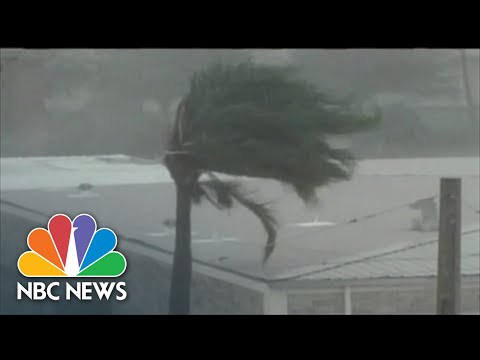
So, picture this: you’re chilling outside on a gorgeous sunny day, and then—bam! A freak snowstorm hits in the middle of July. You laugh, but deep down, you know something’s up with the weather these days.
No joke, climate change has turned our planet into a bit of a drama queen. You’ve probably heard people tossing around terms like “greenhouse gases” and “carbon footprint.” But what do those actually mean? And why should you care?
Well, let’s break it down! We’re gonna dig into what’s really driving climate change and how it affects everything from your weekend barbecue plans to wild weather events. It’s kind of a big deal!
Understanding the Scientific Foundations of Climate Change: Key Theories and Evidence in Environmental Science
Climate change is one of those topics that hits home for everyone, right? It’s all about how our planet is changing, and not in a good way. So, let’s break it down together.
First off, you gotta understand the basics. Climate change refers to long-term shifts in temperatures and weather patterns. This isn’t just a passing phase. The big culprit here is human activity—things we do every day that are messing with the natural balance of our planet.
Now, let’s talk about some key scientific drivers behind all this chaos:
- Greenhouse gases: Think of these as a thick blanket around the Earth. They trap heat from the sun, keeping our planet warm enough to support life. But when we burn fossil fuels like coal and oil, we release excess carbon dioxide (CO2) into the air. This thickens that blanket further.
- Deforestation: Cutting down trees reduces our planet’s ability to absorb CO2. Less trees mean more CO2 floating around in the atmosphere, making climate change even worse.
- Industrialization: Factories and plants churn out emissions that contribute to climate change. Just think about it: all those cars on the road and industries pumping smoke into the air—it’s adding up.
- Agricultural practices: Believe it or not, farming can contribute too! Livestock production generates methane—a greenhouse gas way more potent than CO2 in terms of warming potential. Plus, certain fertilizers release nitrous oxide into the atmosphere.
- Urbanization: City living impacts local climates through heat islands—areas where urban settings are significantly warmer than their rural surroundings due to human activities.
It’s super easy to feel overwhelmed by all this information but let’s try looking at an example here—I remember visiting a beautiful coastal town last summer. It was breath-taking until I learned about how rising sea levels were threatening it due to climate change. The locals talked about how storms were more intense than before and how they’re losing beaches they’ve cherished for generations! That really hit me hard.
Moving onto evidence—the scientific community has tons of data backing all this up. We have ice core samples from Antarctica that show past climate conditions going back hundreds of thousands of years! These ancient layers act like history books of Earth’s temperature changes over time.
Then there are climate models. Scientists use complex software to simulate future climate scenarios based on different levels of greenhouse gas emissions. These predictions help us understand possible futures if we keep doing what we’re doing—or if we decide to make changes.
In short, there’s more than enough proof out there showing how human actions have become major drivers of climate change effects—ranging from extreme weather events to biodiversity loss.
So what can you take away from all this? Well, understanding these scientific foundations is like getting insight into a puzzle where each piece matters just as much as the next one! Together they tell us a story—a story about our home and how we might be able recover some balance if we take action now!
Exploring the 5 Key Factors Influencing Climate: A Scientific Perspective
Climate change is a complex beast, you know? It’s not just one thing causing all the crazy weather patterns and rising sea levels. There are actually five key factors driving climate change, each playing its part in this global puzzle. Let’s break them down!
- Greenhouse Gas Emissions: This is like the heavyweight champion of climate change. When we burn fossil fuels like coal, oil, and gas for energy, we release carbon dioxide (CO2) and other greenhouse gases into the atmosphere. These gases trap heat from the Sun, making our planet warmer. Think of it as wrapping Earth in a cozy blanket—too cozy for comfort!
- Deforestation: Trees are super important because they absorb CO2. But when we cut down forests for agriculture or urban development, we lose this natural filter. Less trees mean more CO2 floating around. It’s like taking away a sponge that soaks up water; things get messier.
- Industrial Practices: Factories emit various pollutants too! From chemicals to aerosols, these bad boys can impact how much sunlight gets through to Earth’s surface and even alter weather patterns. For example, certain aerosols can cool the atmosphere temporarily but contribute to long-term warming by affecting cloud properties.
- Agricultural Activities: You might think farming is just about growing food, but it’s also a significant player here! Livestock produce methane—a potent greenhouse gas—while certain fertilizers release nitrous oxide into the air. It’s all connected; what we eat affects our planet’s health.
- Natural Factors: Don’t forget that nature has its say too! Volcanic eruptions can spew ash and gases into the atmosphere, leading to temporary cooling effects as they block sunlight. Ocean currents and solar activity also play a role in shaping our climate over time.
This interplay of factors is pretty wild when you think about it! Each one contributes differently to climate change effects that we’re seeing today: extreme weather events, shifting seasons, and rising ocean levels—it’s all linked together.
Tackling these issues isn’t easy but understanding them helps us figure out how to make better choices moving forward. So next time you hear about climate change in the news or from friends, you’ll know what they’re really talking about!
Unveiling the Consensus: What 99.9% of Scientists Agree in Key Areas of Science
Alright, let’s chat about something that’s super important—climate change and what scientists are really saying about it. You know, it’s easy to get bogged down in debates and opinions, but when you look at the scientific community, there’s a solid consensus.
First off, what do we mean by consensus? Well, basically, it’s a point where most scientists agree on a certain topic based on evidence and research. And in the case of climate change, that consensus is pretty overwhelming.
Let’s break down some of the main points scientists agree on:
- Human Activity is the Main Driver: Seriously, over 99% of climate scientists say that human activities are leading to climate change. Things like burning fossil fuels—think coal and oil—are releasing greenhouse gases into our atmosphere.
- Greenhouse Gas Emissions: These gases trap heat. Carbon dioxide (CO2), methane (CH4), and nitrous oxide (N2O) are the big players here. The levels of CO2 today are higher than they’ve been for at least 800,000 years.
- Global Temperatures are Rising: Most studies show that Earth’s surface temperature has increased by around 1.2 degrees Celsius since the late 19th century. It might not sound like much, but trust me—it has serious impacts!
- Effects on Weather Patterns: Climate change is messing with weather patterns worldwide. We’re seeing more intense storms, longer droughts, and rising sea levels. Remember those crazy hurricanes? Yeah, they’re connected.
- Impact on Ecosystems: Species extinction rates are climbing because their habitats are changing faster than they can adapt. Many coral reefs have bleached due to warmer ocean temperatures—it’s heartbreaking when you think about how beautiful they used to be.
You know what? I remember reading about this one little island nation that could be wiped off the map due to rising sea levels—Maldives or something like that? Seeing families having to pack up their whole lives because their homes might disappear really hits you in the feels.
Looking deeper into why this matters can bring up another aspect: The economic impacts. When natural disasters hit harder and more frequently due to climate change, we all feel it in our wallets eventually—whether through insurance costs or food prices.
So yeah, while some folks like to dispute these facts or think there isn’t solid evidence out there, the truth is backed by mountains of research from oceans of scientists across the globe who dedicate their lives studying this stuff.
In a nutshell? Climate change is happening; it’s driven largely by human activity; it affects everything from our weather patterns to our economies; and ignoring it won’t make it go away!
Okay, so let’s chat about climate change and how it’s affecting our world. It’s like the elephant in the room that no one can ignore anymore. You know, I remember a summer a few years ago when we went on a family road trip. We stopped at a national park, and I was blown away by how beautiful everything was – towering trees, crystal clear lakes, just amazing stuff. But then, just last year, I saw news footage of that same park with wildfires ripping through it. It hit hard because I realized that not only were we losing something precious, but it was also connected to climate change.
So what’s causing all of this? Well, let me break it down. A big player in this game is greenhouse gases—like carbon dioxide and methane—which trap heat in our atmosphere. Think of it as wrapping a warm blanket around the planet—and we all know that too much heat isn’t comfy.
Human activities are like the gasoline on this fire. Burning fossil fuels for energy is probably one of the biggest culprits; it’s got our cars pumping carbon into the air and factories belching smoke like there’s no tomorrow. And deforestation? That’s another nasty piece of work because trees help absorb CO2 from the air. When we chop them down for agriculture or development, it’s like taking away Mother Nature’s air filter.
Then there’s agriculture itself. Did you know livestock farming releases methane gas? Yep! If you’ve ever been around cows or sheep, you might have noticed they can be quite gassy—seriously! And these emissions add up over time like an overflowing glass of water until it spills over—causing changes in weather patterns and extreme events.
So why does all this matter? Well, think back to my road trip scenario—it shows us what we’re risking losing: our natural beauty and biodiversity. The planet isn’t just changing; it’s reacting to everything we’re doing right now! It affects everyone—from wildlife struggling to adapt to new environments to communities facing flooding or droughts.
Anyway, it really makes you think about our choices as individuals and society at large. Small changes can lead to big impacts if we all pitch in together—even if it’s just being aware or making some greener choices in your daily life. Because guess what? We’re all in this together! The clock is ticking—so let’s keep having these conversations about how we can navigate these challenges while making sure future generations will still enjoy those breathtaking views at national parks!