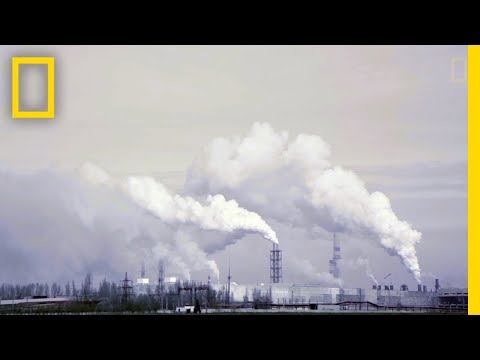
So, picture this: you’re sitting outside on a sunny day, enjoying a cold drink when suddenly, outta nowhere, it starts pouring rain. Yeah, that’s the weather for you! But here’s the twist—what if I told you that those crazy shifts in weather are kinda connected to climate change?
I mean, it sounds a bit dramatic, right? But the thing is, there’s some serious science behind it. It’s like trying to track down a pesky cat that keeps disappearing—hard to pin down but always full of surprises.
Honestly, we’re all feeling the heat (literally). The ice is melting, storms are getting wilder, and our cozy little ecosystems are feeling pretty stressed. Let’s break down what’s really going on with climate change and why it matters to you and me. You ready for this ride?
Exploring the Top 10 Scientific Effects of Climate Change on Our Environment
Climate change isn’t just a buzzword; it’s a reality impacting our planet in profound ways. So, what are the top effects of climate change on our environment? Let’s break it down.
1. Rising Temperatures
The average global temperature has increased, like, significantly over the past century. This rise can lead to heatwaves, making places unbearable and affecting everything from our crops to wildlife.
2. Melting Ice Caps
The polar ice caps are melting at an alarming rate. This isn’t just about polar bears losing their homes; melting ice raises sea levels and threatens coastal communities worldwide.
3. Sea Level Rise
As the ice caps melt, seas are creeping higher. You’ve seen those dramatic images of flooding in cities like Miami and New Orleans, right? Imagine that happening more often!
4. Ocean Acidification
Our oceans are absorbing a lot of CO2, leading to acidification. This hurts coral reefs and marine life—like shellfish and plankton—fundamental parts of the ocean ecosystem.
5. Extreme Weather Events
Think hurricanes, floods, droughts… You name it! Climate change is making these events more frequent and intense, causing havoc on communities and ecosystems alike.
6. Changes in Precipitation Patterns
Some regions are getting drenched with rain while others face droughts. This uneven distribution disrupts food supply chains and affects water availability for everyone.
7. Loss of Biodiversity
Species that cannot adapt quickly enough are facing extinction—like polar bears struggling to find food as their natural habitats shrink or some plants unable to survive changing climates.
8. Shifts in Ecosystems
Ecosystems are shifting as species move toward cooler areas or adapt differently to warmer conditions. Picture trees growing at different elevations or animals migrating earlier than usual; it’s all happening!
9. Impact on Agriculture
Farmers are feeling the heat too! Changing weather patterns affect crop yields; pests thrive in warmer climates, creating challenges for food production around the globe.
10. Health Risks
Humans aren’t immune either! More extreme heat can lead to heat-related illnesses while changing ecosystems can spread diseases like Lyme disease or even malaria into new regions.
So yeah, climate change affects practically every aspect of our lives and our planet’s future hangs in the balance if these changes continue unchallenged! It’s crucial we recognize these issues not just as statistics but as real-world challenges we face together today—and tomorrow!
10 Significant Effects of Climate Change on Human Health and Society: A Scientific Perspective
So, climate change, huh? It’s like a huge blanket that’s getting thicker and thicker around our planet. And believe it or not, this isn’t just about warmer summers; it’s affecting our health and society in pretty significant ways. Let’s break it down.
- Heat-Related Illnesses: With rising temperatures, more people are suffering from heat exhaustion or heatstroke. Just picture someone outside on a hot day without water—that can be deadly. In fact, during last summer’s heatwaves, hospitals reported tons of cases related to extreme heat.
- Respiratory Issues: Poor air quality is becoming a big issue due to climate change. As temperatures rise, we see more wildfires which release smoke and pollutants into the air. This can lead to respiratory problems for everyone, especially kids and older folks.
- Infectious Diseases: Some diseases are spreading because warmer weather is letting mosquitoes and ticks thrive in areas they couldn’t before. For example, malaria and Lyme disease are creeping into regions where they weren’t a problem previously. It’s like these diseases are expanding their territories!
- Mental Health Strain: Natural disasters are happening more frequently due to climate change—think hurricanes or floods. These events can leave people feeling anxious or depressed for long periods after the chaos settles down. Seriously, a friend of mine struggled with severe anxiety after their town was devastated by flooding.
- Nutritional Challenges: Climate change affects food production too! Shifts in weather patterns can lead to crop failures and lower yields for farmers. That means less food available and prices going up, which makes it tough for families trying to put meals on the table.
- Water Scarcity: Many places are facing droughts because of changing rainfall patterns. When water becomes scarce, we’re talking about everything from drinking supplies to agricultural use being affected! This can lead to conflicts over resources or even migration as people search for better living conditions.
- Aging Infrastructure: As cities try to deal with severe weather events—like heavy rainfall causing flooding—they might not have the infrastructure needed to keep up! This can result in unsafe living conditions that put people’s health at risk.
- Poorer Health Outcomes: Vulnerable populations like the elderly or those with chronic illnesses often suffer more when climate impacts hit hard—especially during extreme weather events! Think about how hard it must be to manage diabetes without reliable access to medical services!
- Inequitable Impacts: Low-income communities typically feel the brunt of climate change more than wealthier areas do. They often lack resources to adapt or recover from disasters which puts them at an even greater risk for health issues.
- Cultural Losses: And let’s not forget about cultural aspects! Indigenous populations often have deep spiritual connections to their lands that are threatened by climate changes—this loss affects their mental well-being and social structures.
The thing is, every aspect of life is connected somehow. Climate change isn’t just an environmental problem; it touches on our health directly—and we need action now! The changes we see today could ripple into future generations if we don’t start making some serious adjustments.
Exploring the Top 5 Scientific Effects of Climate Change on Our Planet
So, when we talk about climate change, it’s kind of like that slow-burning kettle—you don’t see it bubbling right away, but then BOOM! Everything starts boiling over. Let’s take a look at some really important effects climate change is having on our planet.
1. Rising Temperatures
One of the most obvious effects is the rise in global temperatures. Over the last century, Earth’s average temperature has gone up by about 1 degree Celsius. Sounds small, right? But even a little rise can mess with ecosystems and weather patterns. Imagine trying to run a race when it suddenly gets super hot outside; you’d feel drained and out of breath. That’s what’s happening to our planet and its inhabitants.
2. Melting Ice Caps
Have you ever visited the Arctic? Those massive ice caps are pretty stunning. But here’s the deal: they’re melting faster than an ice cream cone on a sunny day! As temperatures rise, glaciers and polar ice melt, which causes sea levels to rise—like, really quickly! This threatens coastal communities and wildlife that depend on these icy habitats.
3. Extreme Weather Events
Weather’s getting wilder than ever before! Climate change cranks up the intensity of storms, hurricanes, heatwaves, and floods. So think about Hurricane Katrina or Superstorm Sandy; these storms have been linked to changing climatic conditions. And when heavy rain falls in a short period, it can totally overwhelm drainage systems. Yikes!
4. Ocean Acidification
Ever heard of ocean acidification? It’s like giving our oceans a sour twist! When carbon dioxide (CO2) mixes with seawater, it creates carbonic acid—essentially making the water more acidic over time. This is bad news for marine creatures like corals and shellfish that struggle to build their skeletons or shells in this environment.
5. Loss of Biodiversity
As habitats shift due to climate changes, many species are struggling to adapt or find new homes—imagine being forced out of your house with nowhere else to go! This leads to extinction for some species while disrupting entire ecosystems that rely on them for balance.
Climate change isn’t just some far-off issue; it’s happening now and affecting everything from weather patterns to animal species—and even us humans! Understanding these impacts helps us get what’s at stake so we can take steps toward solutions together.
You know, when you start thinking about climate change, it can hit pretty hard. I remember this one summer when I was a kid. We went to the beach, and it was scorching hot—not just the kind of hot where you get a tan, but like the kind where you felt like your skin might melt off! My parents said it was one of the hottest days on record. Back then, I didn’t really understand what that meant, but now, looking back, it’s like a light bulb went off.
So here’s the deal: climate change is basically our planet’s way of saying, “Hey! I’m not feeling so good!” It’s caused mostly by greenhouse gases which come from things like burning fossil fuels—think cars and factories—and deforestation. These gases trap heat in the atmosphere. Kind of like how a blanket keeps you warm at night. But too many blankets can really overheat you!
The effects? Oh man. They’re everywhere now! Weather patterns are becoming super unpredictable. We see more floods in some places and crazy droughts in others, which totally mess with our crops and water supply. Even animals are affected! Just think about coral reefs—they’re like underwater cities for all sorts of sea life—and they’re struggling due to rising ocean temperatures and acidification.
And what’s wild is that people living in vulnerable areas are feeling these changes first hand even more than others. Families losing their homes to flooding or having to move because their town just gets too dry to support life anymore—it’s heartbreaking to think about.
But here’s something important to note: we can still make a difference! Cutting down emissions is doable; there are sustainable practices we can adopt every day without feeling like we’re making major sacrifices. Every little step adds up!
Thinking back on that super hot beach day makes me realize we’ve got work to do if we want future generations to experience summers filled with joyful trips instead of worrying about extreme conditions. So as we learn about the science behind climate change, let’s get motivated together because every action counts—seriously!