You know that little pointy hairline some people have? Yep, the widow’s peak! I always thought it was some kind of superhero thing. Like, if you had one, you were destined for greatness. But, turns out, it’s just a fun family trait that can spark some interesting conversations.
So, why does some folks rock that stylish V at their forehead while others don’t? It’s all about genetics, my friend! And let me tell you, the way these traits get passed down is like a dramatic soap opera with lots of twists.
Ever noticed how your cousin has one but your sibling doesn’t? Well, there’s a whole science behind that. You might be surprised to learn just how much our genes play into those quirky features! Ready to dive into the world of DNA and family quirks? Let’s unravel this mystery together!
Understanding Widow’s Peak: Exploring Its Genetic Heritage as Autosomal Dominant or Recessive Trait
So, you’ve probably seen people with that cool little point in their hairline, right? Yep, that’s called a widow’s peak. It’s a genetic trait that makes the hairline come down into a V shape in the center of the forehead. But what’s really interesting is how this trait gets passed down through generations. Let’s break it down.
Widow’s peak is tied to our genes, which are like instructions for our bodies. The interesting part is that scientists consider widow’s peak an autosomal dominant trait. This means that if one parent has it, you might inherit it too. Isn’t that wild? Basically, you only need one copy of the gene for widow’s peak to show up.
Now let’s clarify what autosomal means. Think of your chromosomes like pairs of shoes; there are two for each kind—one from your mom and one from your dad. Autosomal genes are located on the non-sex chromosomes (the ones not related to determining if you’re male or female). So, both boys and girls have equal chances of having this trait if they inherit the right gene.
But here’s where it gets a bit more complex… even though widow’s peak is usually dominant, there can be variability! Some folks might carry the gene but not show the trait because other genes might mask it or they may have a different hairline shape that’s more prominent.
- Dominant Trait: Just one copy needed to display widow’s peak.
- Recessive Trait: Two copies required to express other hairline shapes.
- Variability: Sometimes people with the gene don’t have a visible widow’s peak due to other genetic factors influencing their hairline.
Anecdote time! I once met this sweet old lady at a family gathering who had an obvious widow’s peak. She proudly pointed out how her *entire* family had it too—down through all generations! She said it felt like passing on something special and unique with every new baby born into their clan. That kind of connection to our genes is pretty powerful!
The research around traits like these often focuses on patterns rather than strict rules. Genetics can be quirky! While some traits seem straightforward, others can surprise you by skipping generations or showing up in unexpected ways.
If you’re curious about whether you’d pass on widow’s peak or think about your own family traits, remember: genetics can be unpredictable! It’s like rolling dice every time new life comes into being; sometimes certain traits come up more frequently than others.
So next time you see someone rocking a widow’s peak, think about those fascinating stories behind our DNA and how genes influence our looks in such cool ways!
Exploring the Genetics of Widow’s Peak: Dominance and Inheritance Patterns Discussed on Reddit
So, let’s talk about widow’s peak, that little pointy hairstyle at the center of your forehead. You know, some people have it, and others don’t. It’s actually gotten some buzz on Reddit, where folks are curious about its genetics. Cool topic, right? The genetics behind it are pretty interesting!
What is Widow’s Peak?
Basically, a widow’s peak is when your hairline forms a V-shape at the front of your head. It’s named that way because people used to think that widows had this hairline back in the day—kind of a fun bit of history there!
Now, regarding genetics: this trait is inherited in a specific way. It’s mainly thought to be an example of dominant inheritance. What does that mean? Well, let’s break it down. When we say it’s dominant, it means if one parent has a widow’s peak gene and the other doesn’t, the kid will probably inherit the widow’s peak.
How Does Inheritance Work?
Here’s how it plays out:
- If both parents have widow’s peaks: Their children are likely to have widow’s peaks too.
- If one parent has a widow’s peak and the other has a straight hairline: There’s roughly a 50% chance for their kids to have a widow’s peak.
- If neither parent has it: The kids won’t have one either (unless there’s some unexpected genetic surprise).
What happens here is linked to genes you inherit from each of your parents. Each gene can come in different forms called alleles—think of them like flavors of ice cream. If one flavor overpowers another (like chocolate winning over vanilla), you get what we call “dominance.”
The Gene Behind Widow’s Peak
The specific gene associated with this isn’t fully pinned down yet—genetics can be tricky! Still, researchers believe it’s likely related to certain genes involved in hair growth and hair patterns. If you’re curious about gray areas within genetics or even family stories surrounding traits like these on Reddit threads can be super enlightening!
Sometimes people notice their family members share similar traits. Maybe you’ve got photos from your grandma showing off her widow’s peak or uncle Bob pointing out his bald spot instead! That stuff can spark conversation about how genes travel through generations.
Oh! And here’s where things can get really interesting; there are always variations within families—even if both parents have widow’s peaks! The kids might end up with different hairlines because genetics isn’t just black or white; it’s full of all these shades in between.
The Emotional Side
I remember chatting with my buddy who was super bummed out because he thought he’d pass down his awesome widow’s peak but ended up with two kids who sport completely straight hairlines! He joked they must’ve gotten their smoothness from their mom… but deep down he was just fascinated by how unpredictable genetic inheritance can be.
In short, genetics isn’t just about what you see on the surface; it’s also about connections and family stories that weave together our identities past those visible traits.
So next time someone asks you about your little pointy hairline or if you’ve got kids with similar traits—or not—you’ll have something interesting to share about dominance and inheritance patterns in biology!
Exploring Widow’s Peak Genetics: Unraveling the Science Behind Hairline Variations
So, let’s chat about something that you might not think too much about: your hairline. Specifically, the widow’s peak. You know that little V-shape at the center of your forehead? Well, turns out it’s more than just a quirky style! It’s all about genetics.
First off, what exactly is a widow’s peak? It’s a type of hairline where the center dips down, creating that V shape. Some people have it prominently, while others barely notice it. But here’s the thing: it all comes down to genes.
You see, our traits are influenced by *alleles*, which are different forms of a gene. The allele responsible for a widow’s peak is often referred to as dominant. So if one parent has a widow’s peak and the other doesn’t, there’s a good chance their kid will inherit that peak. Isn’t that neat?
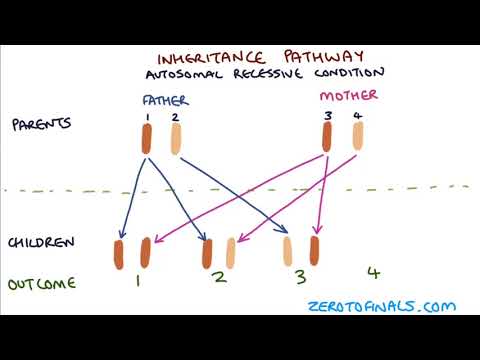
Now let’s dig into inheritance patterns. When we talk about traits like this, we often use terms like dominant and recessive. Basically:
- Dominant alleles: These overpower recessive ones. If you have one copy of the dominant allele for widow’s peak, you’ll likely show it.
- Recessive alleles: These only show up if you have two copies. So if both parents pass on the recessive allele (which means no widow’s peak), then boom—no V-shape for you!
It’s kind of like a game of genetics—if you have at least one “winner” (the dominant allele), you get to show off that shiny hairline.
But wait! Genetics can get pretty funky sometimes thanks to variations and mutations. For instance, some people might have a widow’s peak even if no one else in their family does. That could be due to some other genetic factors or even environmental influences—like specific hormonal changes during development.
Let me tell you an anecdote! A friend of mine always joked about how her family looked like they were ready for Halloween with all those widow peaks going on. They’d laugh while comparing each others’ hairlines during family gatherings. It made them feel connected in this weirdly fun way!
Also interestingly enough, studies suggest that traits linked to appearance can sometimes be tied to other genetic factors. Like how height or eye color might also follow similar inheritance patterns as hairlines do.
So there you have it—a peek into what makes up one simple feature: the widow’s peak! Genetics can be wild and mixed up in so many ways; it’s like rolling dice every time you’re born. From dominant alleles making their mark to subtle variations making our world colorful—it’s pretty cool when you think about how much is hidden behind something as simple as your hairline!
Okay, let’s chat about something super interesting—widow’s peak. You know that little V-shaped point of hair at the top of your forehead? Yeah, that’s it! It’s actually a cool genetic trait. Some folks have it, and some don’t, and that all comes down to genetics.
So, what’s the scoop on how this happens? Well, widow’s peak is often linked to a single gene called “RSPO2.” Imagine your hairline as a little canvas, and this gene helps paint that V shape on it. But here’s where it gets kind of cool: the inheritance pattern can be a bit tricky. It seems to follow an autosomal dominant pattern. So basically, if one parent has a widow’s peak, there’s a chance their kid will inherit it too. Crazy right? That means just one copy of the gene from one parent can give you that cute little trait.
I remember when I was in high school; my best friend Sarah had the cutest widow’s peak. We used to joke that she looked like she had a little crown on her head! I was so jealous because mine was just straight across like everyone else in my family. But I learned later that traits like these are pretty random and can skip generations—kind of like how you might find a surprise in the family tree.
The thing is, while widow’s peak might seem small potatoes in the grand scheme of things, it represents so much more about who we are genetically. Like every little feature we have tells a story about our ancestors and how genes mix over time. Maybe your kid will sport one too or maybe not—it all depends on what genes are hanging out together!
So next time you see someone with that adorable V at the hairline or even look in the mirror at your own unique shape up there, think about those tiny molecules doing their dance behind the scenes in defining who we are! Isn’t genetics wild?