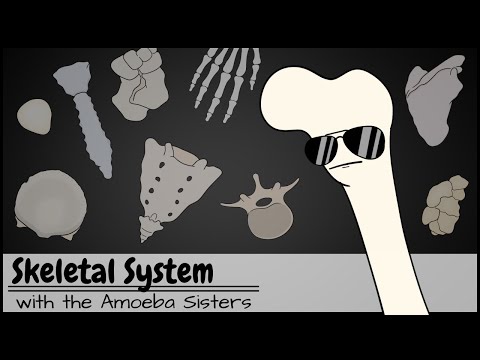
So, let me tell you something interesting. You know when you trip over your own feet? Yeah, embarrassing, right? But guess what does an awesome job of keeping you upright after that little disaster? Your bones! Seriously, they’re like nature’s very own scaffolding.
Now, imagine your body is like a puppet show. The skeletal system is the strings that keep everything together. It’s not just about support; it’s like a superhero team for your muscles. Can you believe we have over 200 bones working tirelessly every day?
Let’s take a little peek behind the curtain at how this whole skeletal thing works. It’s pretty neat stuff!
Comprehensive Insights into the Structure and Function of the Skeletal System: A Focused PDF Guide
The skeletal system is like the framework of your body, holding everything together. It’s made up of bones, cartilage, and ligaments. Each part plays a vital role in keeping you upright and moving. You know, without it, you’d be a blob!
Bones are the stars of the show here. They come in different shapes and sizes. There are long bones (like your arms and legs), short bones (like those tiny ones in your wrist), flat bones (like your skull), and irregular bones (like your spine). Each type has its own job, but they all help with movement and support.
Now let’s talk about cartilage. This stuff is super cool! It’s a flexible tissue that cushions joints. Ever wondered why your knees can bend without hurting? Yep, that’s cartilage doing its thing! It also helps shape parts of your body like your nose and ears. Pretty neat, huh?
Then we have ligaments, which act like tough little bands connecting bones to other bones at joints. They’re essential for stability. Imagine trying to jump or run without them – total chaos!
One important thing to remember is that our skeleton isn’t just for structure; it also plays a major role in production of blood cells. Yup, inside some bones lies bone marrow where red blood cells are made. These little guys carry oxygen throughout your body – definitely a must-have!
But wait, there’s more! Bones serve as storage for minerals like calcium and phosphorus too. When you need these minerals for something else in your body? The bones can release them into the bloodstream.
Here’s where it gets interesting: have you ever noticed how kids seem to bounce back from injuries quicker than adults? That’s partly because their bodies still have growth plates – areas of developing tissue near the ends of long bones that allow them to grow longer as they age.
In terms of health, keeping the skeletal system strong is crucial! Weight-bearing exercises like walking or lifting weights help maintain bone density. If you don’t use those muscles and bones regularly? They can weaken over time.
So overall, the skeletal system is vital not only for physical support but also for many processes happening inside us every day! And taking care of it should definitely be on our minds because without it… well, we’d be pretty lost!
Exploring the Human Skeletal System: Structure, Function, and Key Insights in Anatomy
The human skeletal system is like the framework of a house, holding everything together and providing shape. It’s made up of bones, cartilage, ligaments, and tendons. Sounds pretty basic, right? But there’s so much more to it than just being a hard structure.
First off, let’s break down what it’s made of. The human body has over 200 bones! Each one plays its part. For example, the skull protects your brain while the ribs shield your heart and lungs. Pretty cool how these little pieces work together to keep you safe.
Now, bones aren’t just tough; they’re living tissue. They’re constantly changing through a process called remodeling. It’s like they get a makeover every so often! Old bone cells die off and new ones form. This keeps them strong and able to repair themselves if you break one—like when you were a kid and thought you could jump off that swing set without getting hurt (speaking from experience here!).
Next up is the functionality. Bones serve several important roles in your body:
- Support: They give your body shape and support weight.
- Movement: Muscles pull on bones to allow movement. Ever tried walking on your hands? Takes some serious coordination!
- Protection: As I mentioned before, various bones protect vital organs.
- Mineral Storage: They store essential minerals like calcium. Need stronger bones? Your diet plays a huge role!
- Blood Cell Production: Some bones produce blood cells in the bone marrow—that’s where all those red blood cells that carry oxygen come from.
But hey, here’s something fascinating: not all bones are created equal! Some are short—like those tiny ones in your wrist—and some are long—like your thigh bone (the femur). Then there are flat bones like those in your skull that provide protection without being too heavy.
Ever had that moment when you’re trying to pick up something heavy but can’t? Well, it turns out our muscles have this awesome partnership with our skeletons. Muscles attach to the edges of our bones through tendons, allowing you to flex and move in different ways.
And let’s not forget about growth plates—those little areas at the ends of long bones where new bone growth occurs during childhood and adolescence. You’ve probably heard about growth spurts during teenage years; that’s when these are working overtime!
And speaking of childhood memories… I remember breaking my arm when I was young after trying to ride my bike down a hill too fast (again, definitely not one of my brightest moments). But what amazed me was seeing how quickly it healed afterward! That healing process involved lots of blood flow to the area, bringing nutrients needed for repair.
So yeah, understanding the human skeletal system isn’t just for doctors or scientists; it relates to everyone—even if we don’t think about our skeletons every second of the day. Every time you stretch or dance or even just sit at your desk, think about how this incredible structure works behind the scenes.
In summary: The human skeletal system is an incredible network that supports our bodies both structurally and functionally. It adapts as we grow and change throughout life while doing its job quietly but effectively. So next time you’re moving around or picking up something heavy—or even if you’re simply lounging on the couch—take a moment to appreciate all those amazing bones holding you together!
Exploring the 5 Key Functions of the Skeletal System in Human Anatomy and Physiology
The skeletal system is more than just bones hanging out in your body. It’s like a superhero team with some pretty important functions. Let’s break it down into five key roles that this system plays in keeping you upright and healthy.
1. Support
So, first off, think of your bones as the frame of a house. Without them, you’d just be a blob! They give your body shape and structure. The *vertebral column*, for example, stands tall and keeps everything in place while allowing for some sweet flexibility.
2. Protection
Your skeleton is also a shield! Major organs need protection from bumps and bruises, right? Your skull wraps around your brain like a cozy helmet, while your rib cage guards your heart and lungs. If life throws something at you—literally—your bones help keep those precious organs safe.
3. Movement
Now, here comes the fun part: movement! Bones connect to muscles via tendons; when those muscles contract (which is just a fancy way of saying they tighten), they pull on the bones to get you moving. Think about swinging on a swing or kicking a soccer ball—your skeleton makes it all possible!
4. Blood Cell Production
You might not realize this, but your bones are busy making blood cells too! Inside some bones is this spongy stuff called bone marrow—a super factory for red blood cells, white blood cells, and platelets. Those little red cells are crucial because they carry oxygen throughout your body.
5. Mineral Storage
Bones aren’t just tough; they’re also smart stores for minerals like calcium and phosphorus. When your body needs these minerals for various functions—like muscle contraction or nerve signaling—it can tap into its bone bank. So basically, the skeletal system keeps the good stuff handy!
In summary, that bony framework of yours isn’t simply there for looks; it’s doing heavy lifting in support, protection, movement, blood production, and mineral storage every single day! So next time you think about it (or even if you don’t), just know that each bone plays its part in this incredible story of being human. How cool is that?
You know, the skeletal system is like the unsung hero of our body. Seriously, it does so much for us that we often take it for granted! I mean, think about it: without the bones, we’d just be a pile of goo. Our skeletons are this incredible framework that not only supports us but also protects our organs and helps us move around.
Let’s break it down a bit. Bones are super strong and yet surprisingly light. They’re made mostly of collagen and minerals like calcium and phosphorus. Yep, that’s right! Those minerals help give bones their hardness. It’s kind of wild to imagine that something so tough can be flexible too—just like when you see a basketball player slam dunking or a dancer twisting mid-air. Those movements? Totally thanks to our joints and bones working together.
And speaking of bones working together, have you ever watched an animal move? Like, I once saw my dog’s skeleton in an x-ray while at the vet. The way everything fit together was so cool! All those little joints allowed him to run with such grace—like a little furry superhero! It made me think about how each bone plays a role not just in structure but in function too.
Another thing that’s neat is how bones are living tissues. They’re always changing and adapting; kind of like when you’re building muscle after hitting the gym. You break down some tissue, and your body repairs it stronger than before. That’s why it’s important to have a balanced diet with plenty of calcium—you know, those strong bones won’t build themselves!
Still, we gotta take care of them, right? Sometimes life gets hectic, and we ignore things like posture or getting enough exercise. I remember sitting through long lectures at college—my back was killing me! And then I thought about what I was doing to my spine all hunched over like that… Ouch! It’s funny how just paying attention can make a big difference in how our body feels.
So yeah, there’s this incredible connection between structure and function in our skeletal system. It reminds us that every part has its purpose—from protecting the heart to letting you raise your hand in class or wave to a friend across the street. The next time you see someone leap into action or even just stand tall with confidence, take a moment to appreciate their skeleton doing its job behind the scenes! Pretty amazing stuff if you ask me!