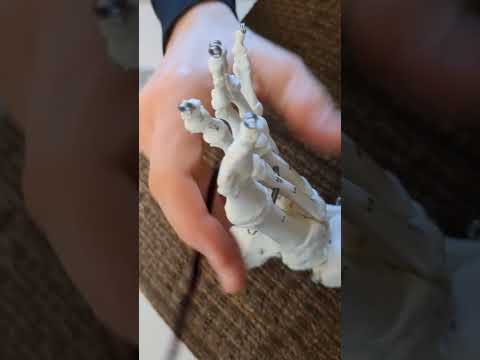
Did you know your feet have 26 bones each? Yeah, that’s a lot! I mean, it’s like a mini puzzle down there.
Think about it. Every time you walk, run, or even just stand around at a party trying to look cool, those bones are doing some serious work.
I remember this one time at a family gathering when my cousin tried to show off his dance moves and ended up twisting his ankle. Ouch! It was a reminder of how we often take our feet for granted. They’re like the unsung heroes of our body!
So, let’s take a closer look at those little bone buddies and see what makes them tick. You ready?
Exploring the Scientific Significance of Foot Anatomy: What Each Part Represents
So, let’s kick things off with the foot. Crazy how often we take it for granted, right? I mean, when was the last time you actually thought about those ten little toes doing their thing? The human foot is not just a clumsy appendage at the end of our legs; it’s a masterpiece of engineering! Let’s break down its anatomy and talk about what each part means scientifically.
The foot is made up of over 26 bones, and they come together to form three main sections: the hindfoot, midfoot, and forefoot. Each part has unique roles that work together to keep us balanced and moving.
- The Hindfoot: This includes the calcaneus (that’s your heel bone) and talus. The calcaneus absorbs shock when you walk or run. Think about when you jump off something; it’s like a trampoline that cushions your fall!
- The Midfoot: You have five tarsal bones here. They’re crucial for maintaining your arches, which help with **balance** and stability. Without arches, walking would feel like trudging through mud all the time.
- The Forefoot: This part consists of the metatarsals (the long bones in your foot) and phalanges (your toes). These bones are vital for pushing off when you walk or sprint! They help in tasks like dancing or climbing—pretty nifty stuff!
Now, let’s talk soft tissue. Muscles, tendons, and ligaments form a network that supports these bones. For instance, the Achilles tendon connects your calf muscle to the heel bone. When that tendon pulls on your heel bone as you walk or run, it helps propel you forward. It’s why we can sprint after buses or leap across puddles—how cool is that?
You might be thinking about how this all ties into health and science. Well, understanding foot anatomy can help in diagnosing issues like flat feet or plantar fasciitis, conditions where pain is common due to misalignment or stress on certain parts of your foot.
A personal story—the first time I got custom orthotics was after dealing with years of sore feet from bad shoes. The podiatrist explained how my arches weren’t doing their job properly because they were too flat! With those orthotics fitting snugly inside my shoes, both my walks around campus and hikes were life-changing.
This connection between anatomy and function emphasizes the importance of taking care of our feet. Regular stretch routines can contribute significantly to maintaining flexibility while strengthening exercises prevent injuries.
So next time you’re kicking back after a long day on your feet—or even just relaxing on the couch—remember there’s a lot more going on down there than meets the eye! Each little bone and muscle contributes to this wild machine that gets us through life every single day.
The Scientific Study of Feet: Exploring Podiatry and Its Insights into Human Health
Podiatry is a field that focuses on the study of feet, which might seem a bit niche but, honestly, it’s super important! You know, your feet hold a lot of weight—literally and figuratively. They’re the foundation of your body and can give insights into your overall health. When you think about it, they’re kind of amazing.
First off, let’s talk about **foot skeletal anatomy**. The human foot has 26 bones! Yeah, you heard that right. These bones are categorized into three main sections:
- Forefoot: This part includes the toes and five long bones called metatarsals.
- Midfoot: A small group of bones that form the arch of the foot.
- Hindfoot: This includes the heel bone (calcaneus) and the ankle bone (talus).
Each section plays its own role in how we walk or run. Seriously, just imagine trying to walk on a broken foot! Ouch!
Now, have you ever noticed how your feet change over time? It’s crazy! Factors like age, weight gain, and even pregnancy can affect their shape and function. For instance, during pregnancy, women often experience changes in their feet due to hormonal shifts and increased weight. It’s like their feet are saying “Hey! We need some support here!”
But here’s where podiatry comes into play—it not only helps treat foot problems but also gives clues about **systemic health issues**. Conditions like diabetes can lead to poor circulation or nerve damage in your feet. So if someone with diabetes has an injury that doesn’t heal well, it’s often a big red flag signal about their overall health.
One fascinating aspect of this field is **gait analysis**. It’s basically studying how you walk and run to identify any abnormalities or potential issues before they become serious problems. If you’ve ever been fitted for running shoes at a specialty store—or if you’ve watched those Olympic athletes sprint—you’ve seen this in action!
On top of that, there are all sorts of tools podiatrists use to understand what’s going on with our feet better:
- X-rays: To check for fractures or deformities.
- Ultrasounds: To look at soft tissues around joints.
- 3D scanning: To create precise molds for custom orthotics.
And speaking of orthotics—these are special shoe inserts designed to support your foot better when walking or running. They can help alleviate pain for people with flat feet or high arches.
Here’s something interesting: Did you know that some athletes actually pay close attention to their foot health because it can drastically improve performance? Just imagine being able to sprint faster or jump higher simply because your feet are functioning perfectly!
In summary, podiatry offers tons of insights into not just our lower limbs but our overall well-being too. Our feet tell stories about our body—what they’ve been through and how we treat them matters more than we often think! So next time you’re looking down at your toes while lounging around or getting ready for an outing, remember: those little guys are doing some serious work for ya!
Anatomy and Function: Exploring the Bones of the Foot in Human Biology
The bones in our feet might not seem like a big deal at first glance. But honestly, they play a huge role in how we walk, run, and even stand. If you’ve ever had a foot cramp or rolled your ankle, you know how important those little bones are!
So let’s take a closer look at what makes up the foot’s skeletal structure. Our feet have **26 bones** that can be divided into three main sections: the **tarsals**, the **metatarsals**, and the **phalanges**.
Tarsals form the back of your foot. There are seven of them, and they are super crucial because they help shape your ankle and support your weight while walking. Here’s what they are:
- Talus: This one connects with your leg bones and helps with movement.
- Calcaneus: Better known as the heel bone—it’s the largest tarsal and provides that cushy support when you take a step.
- Navicular: It sits right in front of the talus and helps to form the arch of your foot.
- Cuneiforms (three): These are small triangular-shaped bones that help with stability.
- Cuboid: Located on the outer side of the foot; it helps connect to some of those metatarsal bones.
Then, moving forward to the middle section, we have **metatarsals**. There are five of these long bones that run from your midfoot to your toes. They’re numbered from one to five starting with the big toe. They help distribute weight across your foot when you move—kind of like beams supporting a roof.
Finally, we get to those cute little fingers—well, toes, actually! The **phalanges** make up our toes. Each toe has three phalanges except for the big one which has two. They’re smaller but super important for balance when you’re walking or running.
Now here comes an interesting bit: all these bones work together to provide structure and flexibility to our feet. They create arches that help absorb shock while running or jumping—you know how sometimes you can feel just how much impact those jumps create? Thanks to our arches, we don’t end up feeling it all directly in our joints!
And speaking of function, think about when you stand on tiptoe—that movement is made possible because all these bones articulate (or move) at joints with one another. The way they’re shaped allows for both stability and motion.
In some ways, our feet are like an intricate puzzle where every piece has its place—and if one piece is out of alignment or damaged? Ouch! You’ll definitely feel it.
So next time you’re slipping on shoes or deciding which sneakers will be comfy enough for a long day out? Just remember all those hardworking bones beneath there! They’re silently doing their thing so you can walk through life without a hitch—literally!
You know, when we think about feet, we often take them for granted. Seriously! They’re these amazing structures that carry us around every day, and yet most of us don’t give them much thought. But if you dive a little deeper into foot skeletal anatomy, it’s pretty fascinating stuff.
So, let’s imagine you’re sitting in your favorite coffee shop with friends, and someone kicks off their shoes. All of a sudden, you see those bare feet sprawled out. Weird? Maybe a bit! But it gets you thinking about what’s going on down there. Each foot has 26 bones—like a tiny skeleton just chillin’ inside your shoe. That’s right! Twenty-six! It’s mind-blowing to realize how many little pieces work together like a well-oiled machine.
Now, I remember when I sprained my ankle during a soccer game in high school. Ouch! While dealing with the pain and frustration of being benched, I learned just how crucial those bones and joints are for movement. That sprain made me appreciate every single arch and tendon that helps me stand up straight or run around.
Speaking of arches, they’re pretty cool too! You’ve got three main arches in your foot: medial, lateral, and transverse. These arches aren’t just for show; they help absorb shock when you walk or run. Picture jumping down from something high—if your arches weren’t doing their job, wowza—landing would be way less fun!
One interesting thing is how the bones in our feet adapt over time based on how we use them. If you’re someone who wears high heels all the time (no judgment here), your foot structure might change a bit compared to someone who’s always rocking sneakers or going barefoot at home.
And let me tell ya about those tiny bones called sesamoids—ever heard of them? They’re like the unsung heroes hiding under the big toe joint. They help with pressure distribution when you push off while walking or running. Crazy how something so small can have such an impact!
So yeah, when you think about foot skeletal anatomy next time you’re walking by the beach or lounging at home with socks on (guilty as charged!), remember that there’s a whole world happening under there—bones working together to let you do all the things you love.
In a nutshell—or maybe more like a shoebox—our feet are incredible marvels of nature! And really understanding what goes on beneath our soles makes us appreciate our bodies so much more—even if they sometimes trip us up along the way!