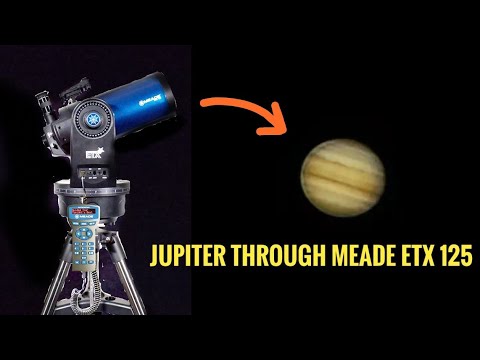
You know, the first time I looked through a telescope, it was like opening a door to a whole new world. I thought, “Wow, is that really Jupiter?!”
Seriously, it was like seeing magic unfold right in front of my eyes. Imagine gazing at those swirling clouds and even catching a glimpse of its moons. Cool, right?
That’s where the Meade ETX telescopes come in. These little wonders are perfect for anyone who wants to explore the cosmos without feeling like they need a PhD in astrophysics.
Getting started with one feels super accessible. You set it up, point it at the sky, and bam! You’re practically an astronomer.
So let’s chat about how these telescopes make stargazing not just easy but fun! You ready for this cosmic adventure?
Exploring the Demise of Meade Telescopes: Analyzing Market Trends and Challenges in the Astronomy Industry
The story of Meade telescopes is kind of a rollercoaster ride through the universe, you know? They used to be the go-to gear for amateur astronomers, but lately, things haven’t been looking so bright. Some folks even wonder what went wrong in the astronomy industry that led to their decline. Let’s break it down.
First off, market trends played a big role in Meade’s challenges. The rise of digital technology has shifted how people engage with astronomy. With smartphones and tablets now packing powerful cameras and apps that can identify stars and planets instantly, some people find it easier to use their phones instead of a traditional telescope. When I bought my first telescope as a teenager, it felt like opening a magical door to the stars! But these days? More folks seem to prefer mobile apps that deliver instant gratification.
Another factor is competition. Companies like Celestron have stepped in with innovative products that appeal more to younger users or those new to astronomy. I mean, when was the last time you heard someone rave about their new Meade setup? You see advertisements for Celestron popping up everywhere, targeting those who want something uncomplicated yet effective.
Then there’s financial troubles. Meade Instruments has faced its share of economic struggles over the years. Bankruptcies are no joke and certainly don’t inspire consumer confidence. Imagine being excited about getting a new telescope, only to find out the company might not be around much longer! That can really put a damper on things for potential buyers.
Now let’s talk about product quality. Over time, some users have reported issues with Meade’s telescopes, noting problems with optics or build quality compared to other brands. If your telescope isn’t reliable or doesn’t deliver stunning views of Jupiter’s bands or Saturn’s rings—well—that can really sour the experience.
Also, there’s this issue called community engagement. Astronomy relies heavily on passionate communities—think local clubs or online forums where enthusiasts gather to share tips and experiences. Unfortunately for Meade, they’ve struggled to maintain that connection with customers recently. It feels lonely when you’re out under those stars without someone else sharing in the experience!
In short, Meade telescopes used to be part of countless stargazers’ journeys into space but have faced several hurdles as technology evolves and competition gets fierce. It’s kind of heartbreaking because astronomy brings this awe-inspiring sense of wonder that everyone deserves to feel!
To wrap up:
- Market trends: Digital tech is changing how we explore space.
- Competition: Other brands are stepping up their game.
- Financial troubles: Bankruptcy impacts consumer trust.
- Product quality: Reliability is key; issues hurt reputations.
- Community engagement: Keeping users connected is crucial.
So yeah, it’ll be interesting to see what happens next in the world of telescopes and astronomy gear!
Unlocking the Cosmos: How Telescopes Enable Astronomers to Explore the Universe
Telescopes: Our Window to the Universe
When you think of telescopes, you might picture those big, fancy pieces of equipment that scientists use, right? But really, they’re like our cosmic binoculars. They gather light from all sorts of objects in the universe and let us see things far beyond what our eyes can catch. It’s pretty mind-blowing when you think about it!
How Telescopes Work
So, like, how do these magical devices work? Well, at their core, telescopes collect light and focus it to create images. There are a couple of main types: refracting and reflecting telescopes. Refractors use lenses to bend light, kinda like how glasses work. Reflectors use mirrors to bounce light around.
Think of it this way: if you’ve ever used a magnifying glass to focus sunlight on a leaf and started a tiny fire (oops!), you’re already familiar with the basic idea of focusing light! It’s all about bringing that light together into one sharp spot.
The Power of Gathering Light
The thing about telescopes is their ability to gather as much light as possible. More light means clearer images. This is crucial when you’re trying to see faint objects, like distant galaxies or dim stars. And hey, did you know that even a small telescope can reveal moons around Jupiter or rings around Saturn? That’s pretty incredible!
Exploring Deeper with Technology
Now here’s where it gets exciting. With technology improving all the time, telescopes have become super sophisticated. For instance, big observatories like the Hubble Space Telescope can capture stunning images from deep space! They use advanced sensors that can detect different wavelengths of light—like infrared or ultraviolet—that we can’t see with our naked eye.
That allows astronomers to study objects varying from hot stars to cold gas clouds. Plus, lots of these telescopes are located above Earth’s atmosphere—like Hubble—to avoid all that blurry light pollution we get down here.
Telescope Accessibility
Not everyone has access to huge observatories though—and that’s where smaller telescopes come in. You know those Meade ETX telescopes? They’ve become popular amongst amateur astronomers because they’re portable and relatively easy to use. You don’t need a PhD in astrophysics! Just set it up in your backyard or on a camping trip and start exploring.
Imagine lying under the stars at night with your friends and using a telescope to gaze at distant planets or clusters of stars—a shared “wow” moment! It makes learning about the cosmos feel personal and hands-on.
Understanding Our Place in Space
Every time we look through a telescope and see something new, it’s not just about viewing pretty pictures; it’s about understanding our universe better! We learn about black holes, supernovae—which is basically an exploding star—and even how galaxies collide over billions of years.
It gives us insight into how everything works—from tiny particles all the way up to massive systems like our Milky Way galaxy. Each discovery rewrites parts of our cosmic story!
The Future is Bright!
Looking ahead? The future for telescopes is super exciting! With upcoming projects like the James Webb Space Telescope set to launch new possibilities for exploration—the universe may just keep revealing its secrets whenever we point our eye towards it.
So next time you look up at the night sky—or peer through your own little telescope—remember that you’re participating in an ancient quest for knowledge shared by many before you. Exploring space isn’t just for scientists; it’s for anyone who dares to wonder!
Unlocking the Cosmos: The Impact of Telescopes on Our Understanding of the Universe
So, let’s talk about telescopes, those nifty tools that have totally changed the way we see the universe. They’re like magical windows that let us peek into the vastness of space. It’s wild to think how something as simple as a tube with lenses can reveal so much!
First off, telescopes are our eyes in the sky. They help us look at stars, planets, and galaxies that are super far away. Imagine going outside on a clear night and gazing up at a million twinkling dots. Now think about adding some serious zoom to that view! With telescopes, we can actually see details on planets like Saturn—like its stunning rings. Isn’t that amazing?
But here’s where it gets even more interesting: the history of telescopes. The first optical telescope was made way back in the 1600s by Galileo. Can you picture it? This guy basically invented astronomy as we know it! He pointed his telescope at Jupiter and saw its moons moving around—proof that not everything orbits Earth. That was like a huge “whoa” moment for humanity.
Then there are modern telescopes, like the Hubble Space Telescope. Launched in 1990, it floats high above Earth’s atmosphere where it can take crystal-clear pictures of space without pesky clouds or air pollution messing things up. Thanks to Hubble, we’ve seen galaxies collide and even watched stars being born in nebulae. It’s like watching a cosmic soap opera!
Now, if you’re into more hands-on astronomy, Meade ETX Telescopes come into play here too! These pint-sized devices pack a punch and make stargazing accessible for folks who just want to casually explore the universe from their backyard or living room balcony. You don’t need to be an expert; you just set it up and let your curiosity guide you.
So what do telescopes really do? Well:
- They help us understand our place in the universe. Looking at distant galaxies shows how small we really are.
- They show us cosmic evolution. Observing how galaxies form gives clues about the beginnings of our own Milky Way.
- Telescope discoveries lead to new questions! Each picture from space sparks curiosity about what else is out there.
- They bring science into our daily lives. Stargazing can inspire young astronomers or just spark a love for science.
I’ll never forget my first time using a telescope at night camp with friends when I was twelve. We aimed it at the moon and wow, saw craters up close! Everyone’s faces lit up with excitement—it felt magical! That is what telescopes do; they create moments of wonder.
In short, telescopes have totally reshaped our understanding of the cosmos by revealing its beauty and complexity. Whether it’s through professional instruments or smaller models like Meade ETX telescopes, each glance into space offers new discoveries waiting for someone curious enough to look through that lens one more time. Don’t you think that’s worth exploring?
Have you ever spent a night staring up at the sky, feeling small, but in a really cool way? I mean, looking at those twinkling stars and thinking about how vast and mysterious the universe is can be pretty mind-blowing. That’s where telescopes come into play, like the Meade ETX series. So let’s chat about that.
The first time I looked through a telescope, it was surreal. I was around ten years old, my dad and I had just set up this old little thing in our backyard. The anticipation was real! When we finally got to peek through the lens and see the craters on the moon—wow! It felt like I had been transported. It’s one thing to read about space or see pictures; it’s something else entirely to witness it firsthand.
Now, with Meade ETX telescopes, you get that personal connection on a whole new level. These are designed not only for seasoned astronomers but also for curious minds like yours. Whether you’re spotting planets or chasing after constellations, they open up a universe of possibilities right from your backyard or wherever you choose to set them up.
What’s neat is that these telescopes come with this whole user-friendly vibe going on. They’re compact and portable, which is perfect if you want to grab some friends and head out somewhere dark where light pollution isn’t ruining your cosmic view. Seriously though, seeing Saturn’s rings through an ETX? Talk about unforgettable!
And then there are those moments when everything clicks—the sky darkens, you find a perfect spot away from city lights, and suddenly it’s just you and this endless expanse of stars gazing back at you. It’s like having your own portal to another world! You realize how much there is out there waiting to be explored.
Finally, there’s something inherently communal about stargazing too. Sharing those “wow” moments with others can deepen connections in ways we might not even realize until we’re lying on the grass together, pointing out shooting stars or discussing what might be lurking beyond our reach.
So yeah, engaging with the universe means diving into curiosity and wonderment—a bit like being a kid again but with more cool gadgets along for the ride. And who knows? Maybe you’ll even inspire someone else along the way to look up at that great big sky differently too!