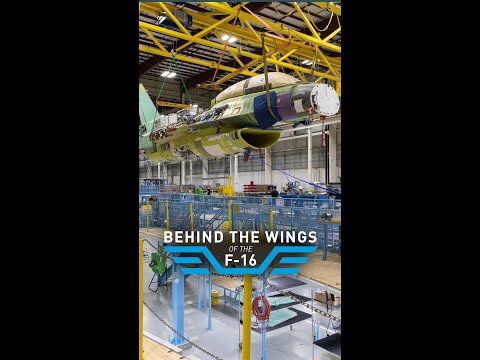
You know that feeling when you’re sitting in an airplane, just before takeoff, and the engines start roaring? It’s like the moment before a rollercoaster drops—super exhilarating! Well, behind that thrill is a whole world of mechanical engineering magic.
Like, imagine being part of a team that designs parts so precise they can make or break a flight. Yeah, it’s not just about wings and engines; it’s about innovation! Stuff is always changing—new materials, designs, tech.
And let’s be real: sometimes it feels like we live in the future with how fast it’s all evolving! So let’s take a look into this wild ride of innovations in mechanical engineering and see how these breakthroughs are really pushing aviation to new heights. Seriously, it’s cooler than it sounds!
Exploring Recent Innovations in Aerospace Engineering: Advancements Shaping the Future of Science and Technology
So, aerospace engineering has been buzzing with exciting innovations lately. It’s incredible to think about how far we’ve come and where we’re headed! You know, things like rockets and airplanes aren’t just for getting from A to B anymore; they’re part of a whole new world of possibilities.
One of the biggest advancements is in propulsion systems. Engineers are looking at new technologies like electric and hybrid engines. These systems can reduce emissions and make flying more sustainable. Imagine a plane that’s powered partly by electricity—kind of like how electric cars work—this could change the game!
Then there’s the use of advanced materials. Aerospace engineers are now using lighter and stronger materials, like carbon fiber composites. These materials not only help build fuel-efficient aircraft but also enhance their performance. Remember that time you felt super light after shedding your winter coat? Well, it’s kind of like that for planes; less weight means they can fly further on less fuel!
- 3D printing is another amazing trend making waves in this field. Instead of traditional manufacturing methods, some parts can be printed on-demand. This saves time and reduces waste—definitely a win-win!
- The advent of autonomous aircraft is also super cool! Drones are taking on many roles from deliveries to surveillance, proving that flying doesn’t always need a human in control.
- Aerospace engineers are also diving into artificial intelligence (AI). AI helps optimize routes or even manage flight operations more efficiently—that means smoother flights!
A little personal story here: I once met an engineer who worked on drone technology for delivering medical supplies to remote areas. He told me how a single drone could save lives by reaching places where traditional transport just couldn’t go. That really struck me! It’s exciting how these innovations have such tangible benefits.
But wait, there’s more! Engineers are investing energy into reducing noise pollution from aircraft too. It’s not just about being efficient but also less annoying for people living near airports. There are designs that focus on quieter takeoffs and landings—like secretly wishing for some peace while you’re trying to nap during a long flight!
The future seems bright as aerospace engineering evolves. With all these advancements shaping the landscape, we might soon see planes that look nothing like what we know today. Maybe we’ll be hopping around in personal flying vehicles or using space tourism as our next vacation destination! Isn’t it wild to think about?
The bottom line is that innovation in aerospace engineering isn’t just about flying better; it’s about creating a sustainable future in the skies above us. So keep your eyes peeled; you never know what thrilling breakthrough might be coming your way next!
Exploring Aerospace Technology: Innovative Examples and Their Impact on Science
Exploring aerospace technology is like stepping into a science fiction movie sometimes. You know, with all those gadgets and innovations that seem to defy reality. The truth is, the advancements in this field are seriously affecting not just how we fly but also our understanding of physics, materials, and even climate.
Aerospace technology primarily deals with the design and development of aircraft and spacecraft. And it’s crazy how much has changed in recent years! One of the biggest trends right now is the push towards more efficient engines. Think about it: less fuel means fewer emissions. That’s something we all want, right? For instance, engines that use blended wing body designs can reduce drag and improve fuel efficiency by making aircraft more aerodynamic.
Then there’s additive manufacturing, often known as 3D printing. This tech is shaking things up big time. Instead of building parts from scratch or using heavy metal blocks, engineers can print components layer by layer! It’s like building a Lego model but with high-tech materials. You can create complex shapes that would be impossible or super expensive to make using traditional methods. How cool is that?
And let’s not forget about drone technology. Drones have transformed not just package delivery but also data gathering for science! They can go where humans might struggle or be at risk—like monitoring wildlife or even surveying disaster areas after hurricanes or wildfires. This tech allows scientists to gather data in real-time without putting people in harm’s way.
Another innovative example lies in composite materials. These are super strong yet lightweight, which makes them perfect for aerospace uses. Imagine a plane that’s lighter and more fuel-efficient because it uses these advanced materials instead of traditional metals! Boeing’s 787 Dreamliner is a prime example—it’s made up of around 50% composite materials!
So what does all this mean for science? Well, as we push for innovation in aerospace technology, we’re also pushing the boundaries of what we know about engineering and environmental science. Each advancement teaches us something new about our world—for instance, how can we create sustainable solutions to tackle climate change? Or what are the limits of current engineering practices when it comes to safety?
In short, aerospace technology isn’t just about flying from point A to point B; it’s a launching pad for new ideas that change our lives on Earth too! Whether it’s through improved engines or cutting-edge materials—it’s clear this field has much influence on our future developments, both in aviation and beyond.
So yeah, next time you see an airplane soaring through the sky or hear some crazy news about drones doing amazing things, remember: there’s so much happening behind the scenes in aerospace tech that shapes not only how we fly but also how we understand our universe!
Aerospace Technology Salary Insights: Exploring Earnings in the Science Field
Aerospace technology is a fascinating field, blending innovation, physics, and engineering to design and build everything from aircraft to spacecraft. But hey, let’s talk about something that’s also super important – the salaries in this industry. You know? We all want to know if the hard work pays off!
So, first things first: what’s the typical salary range for someone in aerospace technology? Well, it really depends on a few factors like experience, education, and the specific job role. Generally speaking, an entry-level aerospace engineer can expect to make around $70,000 to $80,000 a year. Not too shabby for just starting out!
You might be asking yourself why these numbers fluctuate so much. Well, location plays a big role too. Aerospace hubs like California or Texas tend to offer higher salaries due to demand and cost of living differences.
- Aerospace Systems Engineer: This role typically sees salaries in the range of $80,000 to $130,000.
- Aerodynamic Engineer: These professionals might earn anywhere from $85,000 to $125,000.
- Aviation Safety Inspector: Here you might see earnings between $70,000 and $110,000.
You know what’s interesting? With advancements in technology—like drones or space exploration—the demand for skilled workers is rising fast! This increase generally drives salaries higher because companies are looking for talent that can keep up with innovations.
Your education level also makes a difference. Having a Master’s degree or specialized certifications usually bumps your earning potential quite nicely—sometimes by as much as 10% or 20%. That magic piece of paper means employers are seeing you as a more valuable asset!
I remember chatting with my friend who graduated recently with an aerospace engineering degree. He landed his first job at Boeing right out of college and was surprised by his starting salary! It certainly gave him some serious motivation to stick with the field.
If you’re considering diving into aerospace technology or mechanical engineering specifically tied to aviation progress—there’s potential not just for growth but also decent earnings that reflect your expertise! So yeah! That’s a quick snapshot of what you can expect when it comes down to salary insights in this thrilling science field.
You know, mechanical engineering really feels like the unsung hero of aviation. Think about it – every time you hop on a plane, there’s this whole army of brilliant engineers working behind the scenes, pushing boundaries, and creating innovations that keep us soaring through the skies. I remember my first flight as a kid. I was in awe of those massive machines taking off like they were in some sort of magic show. Back then, I had no idea how much engineering went into making that happen.
So let’s talk about some cool stuff that’s been going on lately in mechanical engineering. One of the big things is lightweight materials. You might have heard about carbon composites or titanium alloys, right? These materials are seriously strong but way lighter than traditional metals, which means planes can be more fuel-efficient and carry more passengers or cargo. That’s just smart thinking!
And then there’s 3D printing – can you believe that? Imagine crafting parts for airplanes like you’re baking cookies! This technology allows engineers to design intricate components that might be super expensive or impossible to make using conventional methods. Just picture a little part being whipped up in layers, saving both time and money! It’s not just about saving costs; the flexibility it offers is game-changing.
Also, let’s not overlook automation and robotics. Drones are now flying around doing inspections on planes instead of humans climbing all over them—seriously handy stuff! Plus, with advancements in AI, planes can gather tons of data while flying and share that with engineers who can analyze it to make improvements down the line. Talk about teamwork!
But there’s a personal side to this too—my uncle was a pilot for decades before retiring recently. He used to tell me stories about how he had to deal with so many issues in older aircraft—things breaking down mid-flight and whatnot… pretty anxiety-inducing! Now he says he feels much safer with all these innovations because they really focus on safety features too.
At the end of the day, it feels like mechanical engineering is shaping the future of aviation in ways we’re only beginning to understand. It’s bridging gaps between what was once thought impossible and what we now take for granted when we travel by air. Isn’t it cool to think that while you’re up there looking at clouds, there are minds behind all those complex systems making sure everything runs smoothly? Just think about how far we’ve come from those early days of flight—it makes you appreciate every takeoff just a little bit more!