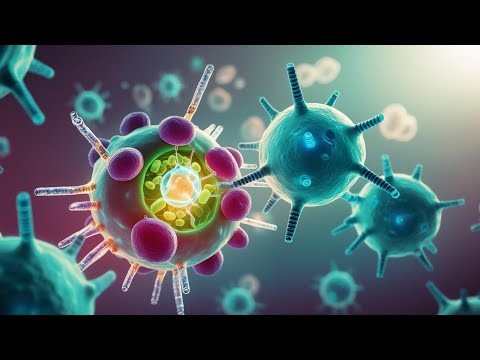
So, picture this: you’re at a family gathering, and Uncle Bob starts talking about his new knee replacement. He swears it’s “all thanks to some high-tech wizardry” that sounds like something straight outta a sci-fi movie. Well, believe it or not, he’s not far off!
Medical biotechnology is like magic, but with lab coats instead of capes. It takes the cool stuff from biology and slaps on the latest tech to help us humans feel better. You know? We’re talking gene therapy, cutting-edge vaccines, and even personalized medicine that tailors treatments just for you.
But what does all this mean for us? What happens when science gets all fancy in solving our body’s quirks? Let’s take a closer look at these advancements and their wild implications for our health and lives!
Revolutionizing Healthcare: The Impact of Biotechnology Breakthroughs on Science and Patient Outcomes
So, let’s chat about how biotechnology is really shaking things up in healthcare. You know, it’s like having a superhero team of tiny little scientists working to save lives! Seriously though, breakthroughs in this field are changing the game in ways that benefit both science and patient outcomes.
What is Biotechnology?
Basically, it’s the clever use of living organisms or their parts to create useful products. Think of it as using nature itself as a toolkit for medicine! Scientists manipulate cells and molecules to tackle some pretty tough health issues.
Genetic Engineering
One of the coolest areas is genetic engineering. This lets researchers tweak genes to correct defects or even enhance certain traits. For example, the CRISPR technology has been like a magic wand for editing genes. It allows scientists to cut out bad pieces of DNA and replace them with healthy ones. This could lead to cures for genetic disorders like sickle cell anemia or cystic fibrosis—can you imagine that?
Personalized Medicine
Now, let’s talk about personalized medicine. It’s when treatments are tailored specifically for you based on your genetics or other factors. This means no more one-size-fits-all approach! If you’re dealing with cancer, doctors can analyze your tumor’s specific DNA to figure out what drugs will work best for you—kind of like getting a custom-fit suit instead of something off the rack.
Tissue Engineering
Then there’s tissue engineering. This field is all about creating artificial organs and tissues in labs so patients don’t have to rely solely on donations—which are super scarce! Imagine needing a new heart and not having to wait on some long list because researchers grew one just for you from your own cells!
Vaccines and Disease Prevention
And hey, think about vaccines! Biotechnology has turbocharged vaccine development. The mRNA vaccines we saw during the COVID-19 pandemic are an excellent example. They taught our immune systems how to recognize and fight the virus without exposing us directly to it—all thanks to biotech advancements.
Improving Patient Outcomes
So what does all this mean for patient outcomes? Well, really good stuff! With these innovations, patients can expect treatments that are more effective, have fewer side effects, and sometimes even mean faster recoveries. Think back on those emotional moments when someone close to you got sick—it can be heartbreaking seeing them struggle while waiting for a treatment that might work.
The innovation gives hope—not just any hope but tangible results that make folks feel more confident about their health journeys moving forward.
The Future Looks Bright!
All said and done, biotechnology is here to stay—and it’s only going to get better from here on out. Researchers are constantly discovering new ways that living organisms can help us tackle diseases we once thought unbeatable.
It feels kind of unreal sometimes how quickly things change in healthcare thanks to these breakthroughs—like watching a favorite team turn around its season overnight!
In short, biotechnology is revolutionizing healthcare by offering us novel treatments tailored just for our needs while improving overall health outcomes in ways we never imagined possible. It’s like stepping into a sci-fi movie where reality meets innovation—you follow me? The ride ahead looks thrilling!
Exploring the Latest Advancements in Biotechnology: Innovations Shaping the Future of Science
Alright, let’s chat about the cool stuff happening in biotechnology. You know, it’s one of those fields that feels like a sci-fi movie come to life. Basically, we’re talking about using living organisms and systems to develop new technologies and products, especially in medicine. So, what’s the latest and greatest shaking things up? Let’s break it down.
Gene Editing is like the rockstar of medical biotechnology right now. With tools like CRISPR, scientists can snip out unwanted genes and insert new ones with incredible precision. This can potentially treat genetic disorders that were once thought to be untouchable. Imagine a child born with a rare genetic disease being able to live their life symptom-free because of this technology! It’s not just an idea—it’s happening.
Then there are biopharmaceuticals. These are drugs made from biological sources rather than traditional chemicals. Think of insulin—traditionally extracted from animals—now we can create it using genetically modified bacteria! This means better quality control and more efficient production processes. Pretty neat, right?
Tissue Engineering is another jaw-dropper. Scientists are working on ways to grow human tissues in labs for transplants or testing drugs without needing real human subjects at first. They’ve even created miniature organs called organoids that mimic real ones! Can you imagine having mini-livers or hearts in petri dishes? That opens doors for personalized medicine where treatments can be tailored specifically for you.
Now let’s chat about synthetic biology. This one’s super exciting because it’s all about designing new biological parts or systems—from scratch! Picture this: creating bacteria that can eat oil spills or produce cleaner biofuels. It’s like being an artist but with living cells as your canvas!
And then there’s immunotherapy, which is changing how we think about treating cancer. Instead of just blasting tumors with radiation or chemicals, researchers are training the immune system to recognize and attack cancer cells more effectively. It feels like giving your body a superhero upgrade!
But hey, while all this sounds amazing—and it really is—there are questions we need to tackle too. Ethics come into play big time when you consider gene editing humans or creating synthetic life forms. We have to tread carefully because these advancements hold enormous power—kind of like holding fire in your hands; it can warm you up but also burn you if you’re not careful!
So yeah, biotechnology is rocking the scientific world with its advancements—changing lives in real-time and pushing boundaries on what medicine looks like every day. It’s super thrilling to be living through these moments where science fiction meets reality!
Exploring Key Advancements in Biotechnology: Transformative Applications in Science
Biotechnology is like this super cool magic trick that science has up its sleeve. It’s all about using living things to make stuff better for us. You know, creating new medical treatments, better crops, and even cleaning up the environment. So, let’s break down some of the key advancements in medical biotechnology that are seriously changing the game.
Gene Editing
One of the biggest breakthroughs is gene editing, especially a technique called CRISPR. It’s like a pair of molecular scissors that can snip out bad genes or insert new ones. Imagine being able to fix genetic disorders before they even start! Scientists are using this to tackle things like sickle cell anemia and certain types of cancer. It’s pretty wild how a tiny change at the DNA level can lead to huge health improvements.
Personalized Medicine
Another exciting area is personalized medicine. This involves tailoring treatments to fit an individual’s genetic makeup. Like, instead of one-size-fits-all therapies, doctors can use info from your DNA to find out which drugs work best for you personally. This approach not only makes treatments more effective but also helps reduce side effects.
Tissue Engineering
Then there’s tissue engineering, where scientists are literally growing organs and tissues in labs! Using stem cells, they can create heart valves or skin for burn victims. Think about it: one day, you could just grow a new organ if yours starts failing! That sounds straight outta a sci-fi movie but it’s happening!
Vaccine Development
Recent advancements have also shaken up vaccine technology. The rapid development of mRNA vaccines during the COVID-19 pandemic showcased how biotechnology can respond quickly to health crises. mRNA vaccines teach our cells how to fight infections without using live viruses—making them both safe and effective.
Biomanufacturing
On top of that, biomanufacturing is changing how we produce medicines and materials. Companies are using bacteria and yeast to churn out insulin or even biodegradable plastics! This means less reliance on fossil fuels and lower environmental impact.
Diagnostics
Don’t forget about diagnostics—biotech has massively improved how we detect diseases early on. Techniques like PCR (that thing everyone was talking about during COVID) allow us to identify viruses with super high sensitivity. Early diagnosis means better treatment plans!
The implications of all these advancements? Seriously transformative! We’re talking potential cures for diseases that once seemed incurable and smarter agriculture that could feed more people sustainably. But it’s not just science fiction; these technologies are already reshaping our world today.
So yeah, while it might seem overwhelming at times, these breakthroughs in biotechnology show us just how far we’ve come—and they’re just getting started! As scientists keep pushing boundaries and answering questions we haven’t even thought of yet, who knows what other wonders lie ahead?
You know, when you think about it, medical biotechnology is kind of like a superhero in the world of healthcare. It’s come a long way since its early days and has really changed the game. I mean, seriously, think back to times when diseases we now treat easily were essentially death sentences. It’s mind-blowing!
A while ago, my grandma had to deal with a chronic illness that made her life really tough. She spent countless hours at the hospital and saw more doctors than I could count. Fast forward a few years, and there are all these new treatments popping up that feel like something out of a sci-fi movie! Personalized medicine is one thing that stands out. That’s where doctors tailor treatments specifically to an individual’s genetic makeup. It’s almost like giving your body its own unique recipe for success against illness!
But it doesn’t stop there; biotechnology also plays a big role in developing vaccines and therapies that save lives. Think about how quickly COVID-19 vaccines were developed using biotech methods! It’s almost hard to wrap your head around how fast science can move when it needs to.
Now, with these advancements come some pretty big questions too. Ethical dilemmas pop up left and right—like where do we draw the line with genetic editing? It feels like we’re standing at the edge of something incredible yet slightly scary at times. Are we playing God if we edit genes to remove certain diseases? Or are we just being smart?
Another aspect worth pondering is accessibility. While these advancements are groundbreaking, not everyone can access them equally. It’s frustrating! How do we make sure that everyone benefits from this amazing tech instead of just those who can afford it?
In the end, medical biotechnology isn’t just about lab breakthroughs; it’s about real lives—and people like my grandma who need those breakthroughs to live better lives. So as exciting as these advancements are, it’s essential to keep our feet on the ground while reaching for the stars! What do you think?