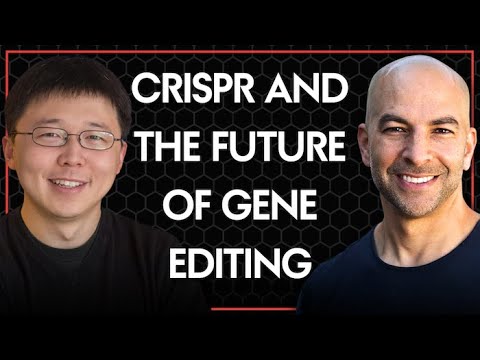
So, I was watching an episode of that show “Grey’s Anatomy” the other day, and one of the characters casually dropped a line about gene editing like it was no big deal. I couldn’t help but laugh. Can you imagine if medicine was really that easy? Just snipping away at genes like trimming a hedge!
But here’s the thing: medical genetics is actually evolving pretty fast. Like, faster than my dog can chase a squirrel! Scientists are making crazy advancements that could change how we think about diseases and treatments.
You might be like, “Yeah, but what’s in it for me?” Well, sit tight, because these breakthroughs have serious implications for everyone—yes, even you scrolling on your phone right now! Think about personalized medicine or tackling genetic disorders head-on. It’s wild stuff!
So let’s take a little stroll through this fascinating world together and see what all the fuss is about!
Exploring 5 Key Applications of Genetic Engineering in Health and Medicine: Advances in Science
Genetic engineering is like playing a high-stakes game of chess with the building blocks of life. It lets scientists tweak and modify DNA to create all sorts of cool solutions in health and medicine. Here’s the lowdown on five key applications that are really changing the game.
- Gene Therapy: This is like giving someone a “repair manual” for their genes. You know how sometimes our genes can glitch, leading to diseases? Gene therapy aims to fix these glitches. For example, if someone has cystic fibrosis, which messes up lung function, scientists can insert a correct copy of the gene into their cells. It’s still in development but shows great promise!
- CRISPR Technology: Ever heard of CRISPR? It’s kind of like “find and replace” for DNA. With CRISPR, researchers can target specific genes with incredible precision and cut them out or modify them. Imagine how that could help with genetic diseases! Researchers are even looking into using it for cancer, by tweaking the immune system to recognize and attack tumor cells.
- Personalized Medicine: This one’s super exciting because it tailors treatments specifically for you. Instead of one-size-fits-all therapies—which we all know can sometimes miss the mark—doctors can use your genetic info to find treatments that will work best for your unique makeup. Think about it: it’s like having a custom suit made instead of grabbing something off the rack!
- PCR (Polymerase Chain Reaction): This technique is basically a time machine for DNA! PCR allows scientists to make millions of copies of a specific DNA segment quickly. It’s crucial for diagnosing diseases—like figuring out if someone has an infection or even identifying certain cancers from just a tiny sample.
- Tissue Engineering: Imagine growing new organs in a lab! Tissue engineering combines genetic engineering with other techniques to create living tissues that can replace damaged ones. For people waiting on organ transplants, this could mean healthier lives without relying on donors.
The potential here is not just science fiction; it’s happening right now! There’s this emotional side too—think about families affected by genetic disorders who might finally see hope through these advancements in medicine.
So yeah, while it feels like we’re just scratching the surface, each breakthrough in genetic engineering brings us closer to healthier lives and more effective treatments! The future’s looking bright; you just need to stay tuned because there’s so much more coming down the pipeline!
Exploring Revolutionary Advancements in Genetic Science: The Future of Genetic Engineering and Therapy
Alright, let’s chat about genetic science and all the cool stuff happening in that space. You’ve probably heard a lot about it lately, and honestly, it can feel a bit like something out of a sci-fi movie! So, here’s the lowdown.
First off, genetic engineering is all about tinkering with genes—the bits of DNA that hold our genetic blueprint. Think of DNA as a recipe book for your body. Each recipe tells cells how to do their jobs. Now, with advancements in technology, scientists can edit these recipes using tools like CRISPR-Cas9. It’s kind of like having an eraser for mistakes in DNA!
CRISPR has been making waves because it allows precise editing at specific spots on the DNA strand. Picture this: if there’s a typo in your favorite chocolate cake recipe that messes up how it tastes, you could just go in there and fix it! That’s what CRISPR does for genes—it can potentially fix genetic disorders before they even manifest.
But here’s where it gets super exciting: gene therapy. This approach is like giving cells a boost to help them heal or function better. For instance, if someone has a condition caused by missing or faulty genes—think cystic fibrosis or sickle cell disease—scientists are working on delivering healthy copies of those genes right where they need to go. Can you imagine? It’s like sending in reinforcements to help out!
Now, you might wonder about the implications of all this tech. There are some fantastic possibilities!
- Disease prevention: By editing genes before someone develops an illness, we could change how diseases affect families.
- Personalized medicine: Treatments could be tailored specifically to your DNA profile.
- Agricultural benefits: Crops can be genetically modified to withstand pests or environmental stress, making food production more efficient.
Of course, with great power comes great responsibility (thanks Uncle Ben!). There are ethical considerations we have to keep in mind. Like modifying human embryos—where do we draw the line? Should we adjust traits just for aesthetic reasons? These questions keep scientists and ethicists busy.
And then there’s the emotional side! Imagine a parent sitting by their child who has a genetic disorder; knowing that science is pushing boundaries gives hope—a real shot at making life better for their kiddo.
In summary, the world of genetic science is buzzing with potential and innovation! With technologies evolving quickly and opening doors previously thought locked tight, we stand on the brink of truly revolutionary changes in healthcare and beyond. The future feels bright—even if some things still need careful consideration along the way!
Exploring the Implications of Genetic Modification in Modern Science
So, genetic modification, huh? It’s like science fiction coming to life! Basically, it’s the process of altering the DNA of an organism. This can be done in a bunch of ways, like adding, removing, or changing specific genes. You know that scene in movies where they splice DNA and create something totally new? Yeah, it’s like that, but way more complicated and serious.
When we talk about modern science, especially in medicine, the implications of genetic modification are huge. Imagine a world where we can potentially fix genetic disorders before they even happen! That sounds like something out of a sci-fi novel, right? But this is real life. By understanding how our genes work, scientists can develop treatments tailored specifically for individuals.
One major area where this is making waves is in medical genetics. Here are some key points to consider:
- Gene therapy: This involves replacing faulty genes with healthy ones to treat or prevent diseases. Think about cystic fibrosis or certain types of muscular dystrophy. Instead of just managing symptoms, gene therapy could actually tackle the root cause!
- CRISPR technology: This cool tool lets scientists edit genes with incredible precision. It’s like cutting and pasting using digital tools but with actual DNA! Researchers are already using CRISPR for potential treatments on various diseases.
- Personalized medicine: Not every treatment works the same for everyone. Genetic modification helps doctors understand which treatments might work best based on your genetics. It makes medicine way more specific—almost like having a custom-fit suit instead of something off the rack!
But hold on; it’s not all sunshine and rainbows here! There are ethical questions buzzing around this topic. For instance, what about editing embryos? If we start modifying traits like intelligence or physical appearance—where do you draw the line? That kind of opens up a whole can of worms concerning social inequality.
Plus, think about unintended consequences! Editing one gene might help with one issue but could cause problems elsewhere — kind of like stepping on a Lego while trying to sneak out at night (seriously painful!). Scientists have to tread carefully here because messing with nature isn’t as straightforward as it may seem.
Also important is how society reacts to these advancements. Some folks are totally on board because they see the benefits for treating diseases or enhancing quality of life; others feel uneasy due to fears surrounding “playing God” or creating unequal access to life-saving therapies.
In summary: genetic modification has transformed modern science in ways we’re just starting to wrap our heads around. From tackling rare diseases through gene therapy to customizing medical care based on your own unique DNA—it’s groundbreaking stuff!
So next time you hear someone chatting about genetic modification, remember: there’s so much more than just science jargon behind it—it’s tied into ethics and social values too! Pretty mind-blowing when you really think about it!
You know, when I think about how far we’ve come in medical genetics, it’s like taking a wild trip down memory lane. Just a couple of decades ago, the idea of decoding our DNA felt like something out of a sci-fi movie. I mean, seriously! Now we’re at a point where we can read and interpret genetic information. That’s just mind-blowing.
Imagine talking to your grandparents about the potential of pinpointing genetic disorders before they even happen. My grandma always said she wished she could have known more about our family’s health history when my dad was born. Now? We have genetic testing that can identify certain risks long before they become issues. It’s wild to think about how that could change lives.
But with great power comes great responsibility, right? We’re now faced with all these ethical questions. Like, if we find out someone has a predisposition for a disease, what do we do with that info? Do we tell them? How do we support them? And then there’s the whole topic of privacy—who gets access to your genetic info anyway?
And let’s not even get started on designer babies—which sounds cool but also kind of scary! The idea of tweaking genes to avoid certain conditions or even enhance traits raises its own set of dilemmas. It pushes us to question: at what point does it become too much?
You can’t help but feel both excitement and caution as these advancements roll out. They hold massive potential for improving individual health outcomes and maybe even wiping out some hereditary conditions entirely! But it’s important for us to have conversations around this—so science doesn’t race ahead leaving ethics in the dust.
So yeah, while I’m all for harnessing the power of genetics to better our lives, we’ve gotta tread carefully and make sure everyone’s on board with what this all means for humanity as a whole. What do you think?