You know that moment when you twist your knee just a bit too hard playing basketball? You hear that pop, and suddenly you’re questioning all your life choices. Yeah, I’ve been there.
Meniscal tears are super common, especially for us sporty types. They’re like those surprise guests at a party you didn’t invite. And figuring out what’s wrong with your knee has come a long way, thanks to the magic of radiology.
Seriously, it’s not just about getting an X-ray and hoping for the best anymore. With fancy imaging techniques like MRI and ultrasound making waves, diagnosing those sneaky meniscus injuries is getting faster and clearer each day.
So let’s chat about these advances in radiology that are shaking things up in the world of knee injuries. You might find it more interesting than you thought!
Effective Methods for Diagnosing a Torn Meniscus: A Comprehensive Guide
Oh man, a torn meniscus can be such a pain, literally! It’s that little piece of cartilage in your knee that helps cushion the joint. When it gets damaged, it can really mess with your mobility. So, let’s break down how doctors figure out if you’ve got a tear.
First off, the **physical exam** is usually step one. Your doctor will ask about your symptoms. You might feel swelling or have trouble bending or straightening your knee. They’ll poke around to see where it hurts and test how well your knee functions. It’s like a little dance—if it hurts when they twist your leg or press on certain spots, that could be a sign.
Then comes the magic of **imaging techniques**! The two main players here are **X-rays** and **MRI scans**.
X-rays are often the first imaging tool used because they’re quick and easy. They help rule out other issues like fractures. But here’s the catch: X-rays can’t actually show tears in soft tissues like cartilage very well, so they’re limited.
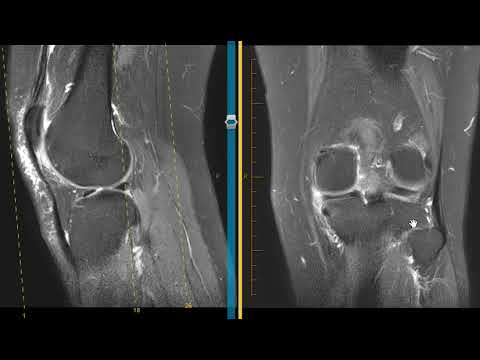
On the flip side, you’ve got **MRIs**, which are like the gold standard for diagnosing meniscal tears. An MRI uses strong magnets and radio waves to create detailed images of soft tissues in your knee. It helps doctors see if there’s damage to the meniscus itself—basically giving them a close-up view of what’s going on in there!
So how does an MRI work? Well, you lie down on a table that slides into this big tube (it can be kind of loud). It captures images from different angles, which are then stitched together to give an overall view of your knee. Pretty cool principle!
But let’s chat about some common types of tears that an MRI might reveal:
- Vertical tear: This one runs along the length of the meniscus.
- Horizontal tear: This type cuts across from front to back.
- Complex tear: A mix of vertical and horizontal—sounds fancy but it’s more common than you think!
After getting these results back, physicians analyze them alongside those physical exam findings to make a diagnosis. They might also compare past MRIs if you’ve had issues before.
Now about treatment options! If it turns out you do have a torn meniscus and it’s causing problems, treatment could vary from just rest and rehab exercises to surgery if it’s severe enough.
So just remember: diagnosing a torn meniscus isn’t just about looking at fancy pictures; it’s about combining knowledge from physical exams with high-tech imaging for more accurate results. And hey, once you know what you’re dealing with, it gets easier to figure out how to fix it!
Optimal Imaging Techniques for Diagnosing Torn Meniscus: A Comprehensive Guide
So, if you’re dealing with a torn meniscus—ouch, right?—getting the right imaging technique is crucial for diagnosing it properly. There are a few main methods that doctors use to get a clear picture of what’s going on inside your knee.
1. MRI (Magnetic Resonance Imaging) is often considered the go-to technique. It’s non-invasive and doesn’t involve radiation, which is pretty neat. MRI scans give incredible detail of soft tissues like ligaments and cartilage, making them super useful for spotting meniscal tears.
When an MRI is done, you’ll lie down inside a big tube while the machine takes images using magnetic fields and radio waves. The resulting pictures can show tears in different areas of the meniscus with clarity.
2. X-rays, on the other hand, are mainly used to rule out other injuries like fractures. They won’t really show you the meniscus directly since they’re better at visualizing bone structure. Imagine looking through a window—you can see some things but not all the details inside the room.
3. Ultrasound might pop up as another option. It’s kind of like using sound waves to create images, and it works great for real-time imaging! It can help visualize swelling or fluid around the knee joint but may not always provide enough detail for tear diagnosis.
Now, here’s where it gets interesting: each technique has its strengths and weaknesses!
- MRI: Best for soft tissue—super detailed but takes time and costs more.
- X-rays: Quick and affordable; however, they miss soft tissue injuries like meniscal tears.
- Ultrasound: Real-time imaging but operator-dependent; not always reliable for diagnosing tears.
A couple of years back, my buddy twisted his knee playing soccer—classic case! He went through an MRI that revealed his meniscus was torn right down the middle! If he had only gotten an X-ray first, they might’ve missed it entirely.
The bottom line? For diagnosing torn meniscus specifically, an MRI is your best bet due to its detailed imagery of soft tissues. Doctors will often consider X-rays first just to rule out other issues before moving on to more advanced techniques.
The technology behind these imaging techniques keeps improving too! As we keep advancing in radiology—like developing new software and algorithms—the chances are high we’ll get even better at spotting those pesky tears more accurately in no time!
Evaluating Diagnostic Precision: The Most Accurate Tests for Meniscus Tear Detection in Orthopedic Science
Okay, let’s talk about meniscus tears. These are injuries that many athletes and active folks encounter. The **meniscus** is this crescent-shaped cartilage in your knee, and it helps absorb shock and stabilize the joint. So when it tears, you can imagine how much it can mess things up.
When diagnosing a meniscus tear, precision is super important. You want to know if you really have a tear or not before jumping into treatment options, right? Well, there’s a variety of tests and imaging techniques to get to the bottom of this.
- Physical Examination: First off, doctors usually kick things off with a physical exam. They’ll check for swelling, tenderness, and range of motion. Some classic tests include the McMurray test or the Apley grind test. They basically twist your knee around to see if it causes pain or clicking sounds.
- X-rays: Now, X-rays are often the first step in imaging. But here’s the catch: they don’t show soft tissues well at all! They’re mainly used to rule out fractures or bone issues nearby.
- Magnetic Resonance Imaging (MRI): Next up is MRI—the gold standard for soft tissue injuries like meniscus tears. It provides detailed images of the knee structures so that doctors can see any tears clearly. Studies have shown that MRI has a pretty high accuracy rate—around 90%—which is great news!
- Ultrasound: Then there’s ultrasound, which uses sound waves to create images of your knee in real time. It’s kind of nifty because it allows doctors to assess movement and look at blood flow too! While not as commonly used as MRI for diagnosis specifically, it’s getting more attention for its accessibility and cost-effectiveness.
The thing is: no single test can give you all the answers by itself. Often times a combination of these diagnostics will lead to better accuracy in determining whether you’ve got a tear or not.
But even with these advanced technologies like MRI popping up everywhere, there can still be challenges in interpretation—like differentiating between tear types or identifying subtle injuries that aren’t always clear-cut.
I remember hearing from a friend who was an athlete; he went through multiple tests before finally figuring out what was wrong with his knee after he landed awkwardly during a game. Turns out he had this tricky partial tear that didn’t show up easily on initial scans but later became clearer with specialized imaging.
This shows how crucial expertise plays into diagnosing these conditions too! Radiologists often need experience and training in musculoskeletal imaging to catch everything accurately.
If you’re facing knee pain or suspect you might have injured your meniscus, don’t hesitate to get checked out! Early detection means better treatment outcomes! And remember: always have open talks with your healthcare provider about which diagnostic methods are best for your situation!
So, let’s chat about something that, to be honest, doesn’t sound super exciting at first glance: advances in radiology for diagnosing meniscal tears. Yeah, I know, but stick with me here!
You probably think of radiology as just X-rays and MRIs, right? But there’s so much more to it now. Like last month, I was hanging out with this old buddy who plays soccer. He was limping around after a match and mentioned he might have a meniscal tear – which is basically a fancy way of saying he hurt his knee cartilage. It got me thinking about how important these imaging advancements are.
In the past, diagnosing something like that could take ages. Doctors would often rely on physical exams and maybe an X-ray to rule out fractures. But the thing is, X-rays don’t really show soft tissues well—like cartilage! It’s like trying to see through a foggy window; you can kinda see shapes but nothing clear or detailed.
Now though? Well, we’ve got MRI technology that’s come a long way. Newer MRI machines have better resolution and faster scan times. This means you can get clearer images of the knee structure without spending forever in the tube. Imagine being rolled into an MRI machine and hearing just wheezing sounds for half an hour—it’s not exactly spa day! But newer tech means it might only take 15 minutes instead.
And then there’s this whole idea of using artificial intelligence (AI) to help interpret scans. Seriously! AI can sift through tons of data faster than any human could ever dream of doing. So when you’ve got an AI assisting in identifying subtle tears or abnormalities that even experienced radiologists might miss, it’s like having superpowers!
That said though – I’ve seen stories where patients rush into surgery based on what they find on their scans without fully understanding what they mean or what their symptoms really are. That part makes me wonder if we’re getting too caught up in the tech side sometimes and forgetting about human experience – you know?
Anyway, these advancements are definitely helping people get diagnosed quicker and hopefully treated earlier too. I mean who wants to be dealing with knee pain when you could be out enjoying life? So next time someone mentions meniscal injuries or knee pains, remember there’s some seriously cool science behind confirming those diagnoses now!