You know that feeling when you check the weather app and it says sunny, but then—boom!—a sudden downpour hits you like a surprise party? Yeah, it’s the worst!
Weather seems pretty random sometimes. It’s like Mother Nature has her own sense of humor. But here’s the kicker: meteorology has come a long way! Seriously, it’s not just about looking at clouds anymore.
With all these new tools and techniques, predicting weather has become way more accurate than in the past. Those fancy satellite images? They’re like having a superpower for tracking storms!
But hey, it’s not all about avoiding getting drenched. Better predictions can actually save lives during severe weather events. So, let’s chat about what’s been happening in meteorology lately. You’re gonna want to hear this!
Advancements in Meteorology: Evaluating Progress in Weather Prediction Accuracy
So, let’s talk about the amazing world of meteorology and how it’s come a long way in making weather predictions more accurate. Seriously, it’s quite fascinating how much progress has been made over the years. I mean, remember when predicting tomorrow’s weather was like throwing darts blindfolded? Well, things have changed quite a bit!
To kick things off, it all started with basic observations of the sky and air pressure. People like Benjamin Franklin were out there flying kites during thunderstorms to study lightning! But today’s meteorologists rely on advanced technology that makes predictions much more reliable.
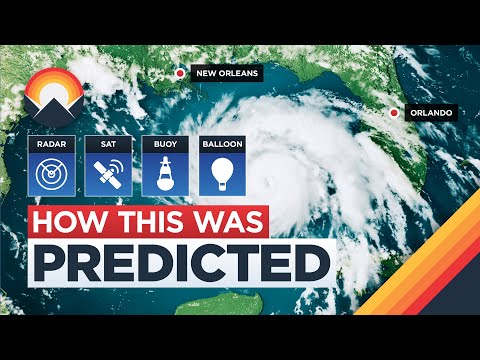
Satellite technology has been a game changer. With satellites zooming around the Earth every day, we now have real-time data about cloud patterns, temperatures, and storm movements. This information helps scientists track storms before they even form! For example, Hurricane Katrina was monitored closely thanks to satellite imagery, allowing for timely evacuations.
Another major advancement comes from computer modeling. Nowadays, meteorologists use powerful computers to simulate weather systems and predict how they’ll evolve over time. These models take into account countless variables—like ocean temperatures and atmospheric pressure—to give forecasts that are way more accurate than before. You know how they say “garbage in, garbage out”? Well, with better data inputs and algorithms, we’re getting some pretty solid outputs.
One cool thing that’s happened is the shift from mostly just predicting tomorrow’s weather to long-term forecasts as well—like seasonal predictions. Thanks to improved climate models that analyze patterns over years or decades, we get insights into evolving trends like El Niño or La Niña events. These can heavily influence global weather patterns.
However, even with all this tech wizardry, some aspects are still tricky!
. Little changes can lead to huge differences down the line—as simple as a butterfly flapping its wings! So while we’ve improved accuracy significantly… there’s always room for error.
. For instance, two neighborhoods can experience completely different weather due to their unique geography.
And let’s not forget about citizen science. Today folks like you and me can contribute by sharing local data through apps or platforms—this really enriches what scientists know about specific areas and adds another layer of detail to forecasts.
It’s wild just how interconnected everything is: satellites feed data into computer models which in turn help local meteorologists get better at forecasting your weekend plans! The combination of old-school observational skills with cutting-edge technology makes meteorology an exciting field full of potential.
In short (or not so short), advancements in meteorology have led to better prediction accuracy through enhanced satellite tech and computer modeling while considering complex interactions within our atmosphere. So next time you grab an umbrella because your phone says rain tomorrow? Just remember: it’s likely due to years of research turning chaotic weather patterns into something a little more predictable!
2025 Weather Predictions: Insights from the Farmer’s Almanac and Climate Science
So, let’s talk about **2025 weather predictions**! You know, it’s one of those topics that gets people all riled up. Everybody wants to know if they should be packing an umbrella for their summer BBQ or planning a snowball fight in April. Let’s break it down: we got insights coming from the **Farmer’s Almanac** and some serious **climate science** that help give some clarity.
The Farmer’s Almanac has been around since 1792. Yeah, that’s a long time! They’ve built a reputation on predicting weather using a mix of astronomical calculations and historical data. Basically, they look at the patterns from past years to forecast what might happen next. They really love those old-school methods—think moon phases and solar cycles.
Climate science, on the other hand, is all about the numbers and bits of data collected using modern technology. Meteorologists today have access to fancy satellite imagery and complex computer models. These tools analyze everything from sea surface temperatures to wind patterns. So, you can see where there might be some differences between these two approaches.
When you look at 2025 specifically, according to the Farmer’s Almanac, they’re hinting at:
- Colder Winters. Specifically in the northern regions.
- Warmer Summer Months. More heatwaves might be on the way!
- Increased Precipitation. So expect more rain or snow depending on where you are.
These predictions lean heavily on historical trends but also consider what we’ve seen in recent years.
Now bring in climate scientists who focus more on long-term changes. They’re saying climate change is making things a bit wonky with temperatures rising globally. The predictions here are more like: “Hey, it’s going to get hotter overall!” They expect more erratic weather patterns too.
For instance:
- Extreme Weather Events. Think hurricanes and floods becoming more intense.
- Droughts in Certain Areas. With some places just getting swamped with rain while others suffer severe dry spells.
At this point, both sources can actually complement each other! The Almanac provides localized forecasts while climate science digs into global trends. Sometimes they even align—like when both say there might be unusually heavy rains!
Now—here’s where it gets emotional for me. I remember helping my grandma in her garden one summer after she swore by the Almanac for planting advice. She had this saying: “Old ways are sometimes best.” And honestly? Watching those tomatoes grow was magical! She would always say nature knows what it’s doing… most of the time anyway!
So whether you’re betting on old-school wisdom or embracing cutting-edge science—or even mixing both—it’s kind of like a weather buffet out there! Everyone has their own take; it’s just important to remember that these predictions come with uncertainties too.
Keep your eyes peeled for updates as we roll closer to 2025! Weather is unpredictable but worth paying attention to if you want your BBQ plans or your garden dreams not to go awry!
Advancements in Meteorology: Enhancing Weather Forecasting Through Innovative Techniques and Technology
So, let’s chat about meteorology. You know, that cool science behind weather forecasting? It’s a wild world where researchers and meteorologists are constantly trying to outsmart Mother Nature—no small feat! Thanks to **advancements in technology** and innovative techniques, predicting the weather has seriously leveled up.
First off, there’s **satellite technology**. Modern satellites orbit the Earth, scanning our atmosphere and sending back images and data. This is like having a bird’s-eye view of the planet! With better resolution and more advanced sensors, they can track storms and weather patterns in real-time. Remember that time you were caught in an unexpected downpour? Yeah, satellites are working hard so that hopefully doesn’t happen as often!
Another big player is **supercomputing**. These bad boys crunch massive amounts of data—like millions of observations from various sources—in no time flat! They use models that simulate the atmosphere’s behavior, helping meteorologists make more accurate predictions. Imagine trying to solve a giant puzzle with a million pieces; supercomputers do just that but way faster than any human could.
Plus, we gotta mention **drones**! Yup, those flying gadgets aren’t just for cool videos. Drones can dive into storms and gather data from places where it’s tough to send people or planes. They collect info about humidity, temperature, and wind speeds right where it’s happening. It’s like having tiny weather spies giving us the scoop.
Now let’s talk about **machine learning**—that fancy term for computers learning from data patterns without being explicitly programmed for every scenario. Meteorologists use this tech to analyze historical weather data alongside current conditions to improve forecasts over time. Basically, the more they learn from past weather events, the better their predictions get.
Oh—and let’s not overlook crowdsourcing! Everyday folks can share local weather observations through apps or social media which helps create a fuller picture of what’s going on outside. You might even have shared your own “it’s pouring out here!” post before! Those little bits of information really help fill gaps in data.
Still not convinced? Let me tell you this: thanks to these advancements, we now have extended forecasts that can accurately predict weather days—even weeks—in advance! Remember when you used to hear “partly cloudy” and think it was totally random? Now there’s a lot more science behind those words.
Anyway, with all these tools at our disposal now combined with some good ol’ human intuition (shoutout to those dedicated meteorologists!), predicting the weather has gotten way smarter over the years. Sure, it might not be perfect yet—weather still throws curveballs here and there—but improvements keep coming along all the time.
So yeah, next time you check your favorite app for tomorrow’s forecast or see a storm warning pop up on TV, remember all this brainpower working behind the scenes to keep you one step ahead of whatever Mother Nature tosses your way!
Weather forecasting has come a long way, hasn’t it? I mean, just think about how, not too many years ago, we were lucky if we got a reliable prediction for the next day. Now? We can get pretty darn precise forecasts for up to two weeks ahead. That’s no small feat!
I remember one time back in high school, we had this big outdoor event planned. Everyone was buzzing about it. But then there was a chance of rain. Our teachers promised us that we’d be fine based on the weather report. And guess what? The skies opened up right during the event! So much for predictions! It was like Mother Nature wanted to crash our party.
But looking at today’s technology, it’s clear that the science of weather predicting is really something special. Meteorologists now have tools like satellites and radar that give them super detailed images of what’s happening in the atmosphere. They can track storms from space—seriously! These satellite observations help them see things like cloud patterns and moisture levels that we just couldn’t spot before.
And with computer models getting better every year, they can simulate weather patterns more accurately than ever. Basically, they crunch all this data from satellites and ground stations to create models that predict how storms will develop or when fronts will move through an area. It’s like having a crystal ball for the sky!
But even with all these advancements, predicting weather isn’t foolproof. There are still variables that make it tricky—like how winds interact with mountains or sudden shifts in temperature. The thing is, even with all this fancy tech and great data, some surprises still sneak through.
So while I’m definitely impressed by how far meteorology has come, sometimes it feels like an art form on top of being a science. Sure, you can study patterns and use all these cool gadgets but at the end of the day… some stuff just refuses to be pinned down! Each storm tells its own story.
You know what? It reminds me to appreciate those unpredictable moments in life—even if they mess up our plans sometimes!