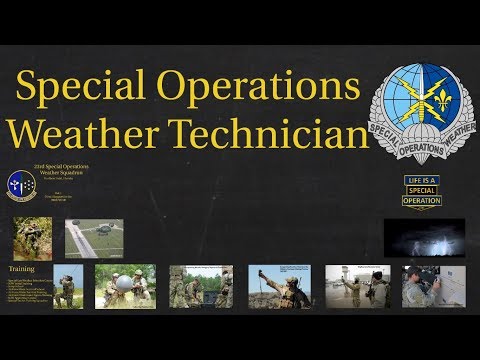
You know that moment when you step outside and it’s, like, totally sunny, but then suddenly—bam!—a storm rolls in? That’s kinda what meteorologists deal with.
Now, imagine being in the middle of a battle and the weather decides to go rogue. Pretty chaotic, right? Well, that’s why meteorology isn’t just about predicting rain or shine; it’s a major player in military strategy.
Think about it: troops need to know if they can launch an attack without getting stuck in mud or if they should postpone because of a thunderstorm. Weather can literally make or break a mission.
I mean, there are stories of generals making epic decisions based on weather reports. Some turned battles around while others ended up in total disaster because they ignored the clouds gathering on the horizon.
So yeah, meteorology is more than just small talk about the forecast. It’s a game-changer for military operations. Let’s dig into how those forecasts shape strategies and outcomes!
The Critical Role of Meteorology in Military Operations and Scientific Advancements
Meteorology isn’t just about whether or not you need an umbrella; it plays a super important role in military operations and scientific advancements. You see, understanding the weather can make or break a mission. Imagine planning an airstrike during a sudden thunderstorm—pretty tricky, right?
Military Strategy relies heavily on meteorological data. Troops need accurate forecasts to decide when to launch operations. For example, during World War II, the D-Day invasion was meticulously timed using weather reports. The Allies waited for just the right conditions to cross the English Channel and land on Normandy’s beaches. If they had gone any earlier, they would have faced rough seas and heavy winds.
Another key aspect is terrain analysis. Meteorologists study local weather patterns to predict how they might affect ground forces. Rain can turn dirt roads into muddy messes, which slows down tanks and troops—making them vulnerable. So yeah, knowing whether it’s going to be dry or wet can change everything.
But wait, there’s more! Think about how flying works: aircraft depend on certain atmospheric conditions. Pilots need clear skies for safe navigation and landing. Forecasting tools help military pilots avoid severe weather that could lead to disaster in combat zones.
Now let’s talk tech! Meteorology feeds into awesome scientific advancements too! The technology developed for military purposes often trickles down to civilian use. Take radar systems, for instance—they were initially designed for tracking enemy planes but are now essential for predicting storms and monitoring climate changes.
Meteorologists also play a part in climate studies, which are crucial for understanding global warming impacts on different regions. Military operations are often affected by climate variations like droughts or floods, so scientists try to anticipate these changes through detailed models that rely heavily on meteorological data.
So basically, meteorology links both military strategy and scientific progress together. It shapes decisions that save lives on the battlefield while also aiding our understanding of environmental challenges we face globally. The next time you look at a weather report, remember—it could have huge implications beyond just what you’re wearing!
Historical Impacts of Meteorology on Military Strategy: A Scientific Perspective
Meteorology has played a huge role in shaping military strategy throughout history. The weather can be your best friend or your worst enemy on the battlefield. Think about it: a sudden rainstorm can turn a dry field into a muddy mess where tanks get stuck. Seriously, it’s like Mother Nature having her own say in military plans!
Understanding Weather Patterns
When armies go into battle, they’ve got to think about more than just tactics and weapons. They need to be aware of weather patterns. For instance, during World War II, the D-Day invasion was heavily influenced by meteorological conditions. The Allied forces had to wait for a specific window of calm weather before launching their attack on Normandy. If they had gone too early or too late, who knows what could’ve happened?
Visibility and Terrain
Weather impacts visibility too! Fog and rain can really mess with an army’s ability to see what’s ahead. And let’s not forget about wind; it affects air support operations and artillery fire accuracy. During the Gulf War in 1990-1991, sandstorms were a significant challenge for coalition forces against Iraqi troops. Imagine trying to conduct air strikes with limited visibility—pretty stressful, right?
Logistics and Supplies
And here’s another thing: logistics! Bad weather can seriously disrupt supply chains. A snowstorm might prevent trucks from delivering food and ammunition to troops in the field; that could shift the balance of power real quick! Historical records show that Napoleon’s disastrous campaign in Russia was partly due to the brutal winter conditions that crippled his supply lines.
Environmental Impact
Also, some battles have left an impact on the environment that continues to influence military strategies today. For example, after World War I, heavy usage of chemical weapons altered landscapes permanently in certain areas. Understanding these changes includes studying meteorological effects like rain runoff and soil composition because they could affect future troop movements.
So when you think about military strategy, don’t just picture generals pouring over maps; envision them checking forecasts too! Weather is more than just small talk—it’s a critical factor that can dictate outcomes in ways you might not expect!
In summary, knowing how meteorology plays into military operations is essential for understanding historical conflicts fully. Bad weather or good luck can change an entire war effort overnight. Just imagine being out there on those fields—every drop of rain or gust of wind could feel like life or death!
Exploring the Five Military Aspects of Weather: Implications for Scientific Research and Operations
Sure! Weather’s got a lot to do with how militaries operate, and it’s super interesting. Let’s break down the five military aspects of weather that really matter.
1. Visibility: This one is pretty obvious, right? If it’s foggy or super rainy, you can’t see much. This affects everything from airstrikes to troop movements. For example, imagine trying to fly a plane in heavy fog; it’s not gonna end well. Meteorologists track these conditions closely so commanders know when it’s safe to act.
2. Wind: Wind isn’t just an annoying thing that messes up your perfect hair day! It’s a huge factor for aircraft takeoffs and landings. Strong winds can make flying tricky or even impossible sometimes. In naval operations, wind direction can influence ship maneuvers too. So yeah, predicting wind patterns helps in planning attacks or retreats.
3. Temperature: Extreme temperatures can be like your best friend or worst enemy on the battlefield. For instance, cold weather can freeze equipment and make soldiers vulnerable to hypothermia while extreme heat might lead to dehydration or heat stroke. Think about those classic war movies set in desert landscapes—survival often hinges on knowing how hot it’ll get during the day.
4. Precipitation: Rain or snow can change everything from the movement of troops to how well weapons function. A light drizzle? No big deal usually. But heavy rain could turn roads into mudslides and slow down any transport efforts big time! Just picture tanks getting stuck in muddy fields—it wouldn’t be pretty.
5. Climate Patterns: Long-term weather patterns are crucial too! Like during monsoon season in South Asia where flooding could slow down military advances for months at a time. Understanding these seasonal changes helps military planners strategize effectively over longer periods.
So what does all of this mean for scientific research and operations? Well, scientists are always looking for better ways to predict these elements accurately because lives depend on it—military personnel and civilians alike! Advanced meteorological models help them understand what’s going down with the weather days or weeks ahead of time.
These insights support not just military missions but also humanitarian efforts during disasters when bad weather hits hard! Basically, that connection between meteorology and military strategy shapes how we respond both on and off the battlefield—and makes our world feel just a little more connected amidst all that chaos!
You know, there’s something pretty interesting about how weather can totally change the game in military operations. I mean, just think back to D-Day during World War II. The Allies had to carefully consider the tides and weather conditions before launching that massive invasion. If it had been a stormy day, who knows how that would have turned out?
Meteorology isn’t just about knowing if it’s gonna rain on your picnic; it can literally impact the lives of soldiers and the entire course of a conflict. Imagine being in a situation where visibility depends on fog or rain, or when icy conditions could hinder movement. It’s not just inconvenient; it could be life-threatening.
Modern armies rely heavily on meteorological data. They have teams of meteorologists working around the clock to provide real-time forecasts and analysis. And this isn’t just for planning large-scale operations; it also helps with smaller missions, like reconnaissance or artillery strikes. The thing is, accurate weather predictions can mean success or failure in those crucial moments.
But what really gets me is how unpredictable weather can be. You can plan your strategy with all the fancy technology and data at your disposal, but if Mother Nature throws you a curveball—bam! Everything changes in an instant. I remember reading about troops who were caught off guard by sudden storms, which ended up affecting their ability to communicate or move effectively. It must feel pretty frustrating to realize that something as seemingly simple as a rain shower can have such far-reaching consequences.
So yeah, while we often think of wars being fought with strategy and might, there’s also this invisible player in the background—meteorology—that shapes outcomes in ways we might not immediately consider. At the end of the day, understanding weather patterns isn’t just some nerdy science project; it’s essential for survival on the battlefield. It’s a reminder that even in warfare, nature plays its part—and sometimes it’s not so easy to predict what she’ll do next!