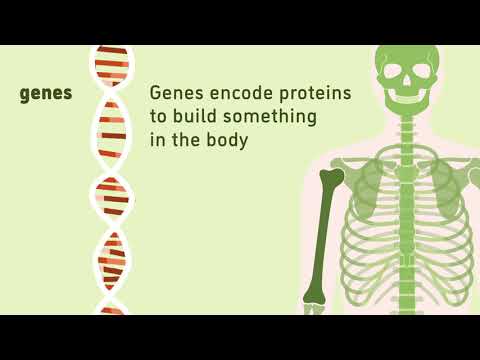
You know, there’s this little piece of code in our cells called the mgmt gene. It sounds kinda like a typo for “management,” right? But trust me, it’s way more interesting than that!
One time, I was trying to explain genetics to my niece. She asked if our genes were like those magic potions in cartoons that give superheroes their powers. I mean, she wasn’t totally wrong! Our genes do have some cool tricks up their sleeves.
The mgmt gene is kind of a superhero too! It helps protect our cells from damage caused by certain toxins and even some treatments for diseases like cancer. So, when you think about it, this little gene packs a punch—and we don’t even see it coming.
In this chat, we’ll break down what the mgmt gene does and why it matters. You ready? Let’s get into it!
Exploring the Function of the MGMT Gene: Implications in Molecular Biology and Cancer Research
The MGMT gene plays a critical role in our bodies, especially when it comes to how we manage damage to our DNA. So, let’s break this down a bit. You probably know that DNA is like the instruction manual for building and running our cells. Sometimes, things go wrong—maybe due to environmental factors or even just the aging process. That’s where MGMT steps in.
This gene produces a protein called O6-methylguanine-DNA methyltransferase, which sounds super complex but is basically a repair guy for our DNA. It fixes specific types of damage, particularly those caused by a process known as methylation, where a small chemical group attaches to DNA and can lead to mutations if not corrected.
So, why is this important? Well, think about it: if your DNA gets damaged and isn’t repaired properly, it can lead to all kinds of problems, including cancer. And here’s where things get really interesting—the activity of the MGMT gene influences how well certain cancer treatments work. For instance, some therapies use drugs that add methyl groups to DNA. If the MGMT protein is active and doing its job well, it might undo this damage caused by the drugs!
Here are some key points about MGMT:
Let me share a little story here. A friend of mine had a family member diagnosed with brain cancer. The doctors tested the tumor for MGMT expression and found out it was low. This info was crucial because it meant that specific chemotherapies could be more effective in that case—kind of like having an advantage in a game!
Another fascinating aspect? The expression of the MGMT gene isn’t always fixed; it can change based on factors like age or environmental exposures. That means two people with similar types of cancer could have different outcomes based on how well their genes are doing their job at that moment.
So yeah, understanding how the MGMT gene functions not only sheds light on basic biological processes but also opens doors in cancer research and therapies. Scientists are exploring more about this gene every day—trying to figure out ways we can use this knowledge for better treatments in the future.
In essence, while we’re still learning about all its ins and outs, one thing’s clear: genes like MGMT are vital players in both molecular biology and medicine!
Understanding the Mechanism of Action of MGMT in Molecular Biology and Cancer Therapy
Alright, let’s break down this whole MGMT thing together. So, first off, what the heck is MGMT? Well, it stands for O6-methylguanine-DNA methyltransferase. Sounds fancy, huh? But really, it’s a pretty crucial protein that plays a major role in how our cells respond to DNA damage.
The main job of MGMT is to repair DNA. You know how sometimes you get a scratch on your favorite record? If you could just buff it out, it would sound great again. That’s kind of what MGMT does for our DNA when it gets damaged by things like chemicals or radiation. It specifically targets those pesky little changes called O6-methylguanine modifications in DNA. Picture this: if guanine (one of the building blocks of your DNA) is messed up by some sort of chemical exposure, MGMT swoops in and helps fix it.
Now, why should we care about this in terms of cancer? Well, cancer cells are notorious for having damaged DNA. They often find clever ways to survive despite all that damage and keep multiplying like there’s no tomorrow. This is where MGMT gets really interesting—and complicating! You see, some tumors have high levels of MGMT and can handle the damage from chemotherapy drugs better than other cells.
This means if a patient has cancer with active MGMT, chemotherapy might not work as effectively because the drug tries to cause more DNA damage to kill those cells but—surprise!—MGMT repairs that damage!
- MGMT’s role: It’s like a guard at a gate. When something bad happens to your DNA, it’s the first line of defense.
- Cancer cells: Many cancers can bypass destruction due to high levels of MGMT.
- Treatment resistance: If your tumor has functioning MGMT, you might need different strategies for treatment.
If you’ve ever had an experience with someone fighting cancer—maybe they were undergoing treatment and feeling hopeful but then had setbacks—you can see how vital this knowledge can be. It boils down to understanding your opponent in this crazy fight against cancer.
Researchers are constantly looking into how we can either block MGMT or figure out which patients might benefit from therapies without relying on drugs that target O6-methylguanine modifications directly. That way, we know who will respond better to what treatments instead of just playing guesswork with doses and side effects.
The thing is though: while blocking or targeting MGMT seems tempting—it ain’t simple! All these mechanisms work hand-in-hand within our bodies and tinkering with one part may mess up others unexpectedly. Science likes its surprises!
This beautiful game between our body’s natural repair system and harmful therapeutic interventions shows just how complex the world of molecular biology really is. And yet here we are—kicking back and learning about it together!
Understanding MGMT Methylation Positive Status: Implications for Cancer Research and Treatment
Okay, so let’s chat about something not super common but really important in cancer research: MGMT methylation positive status. You might be wondering what that even means. Well, we’re talking about a gene called MGMT (which stands for O6-methylguanine-DNA methyltransferase). This gene has a crucial role in repairing damaged DNA.
You know how when you accidentally spill coffee on your shirt, you rush to clean it up before it stains? Think of the MGMT gene as your body’s little cleaning crew for DNA. It tries to fix any damage that happens, which is pretty essential because damaged DNA can lead to cancer.
Now, here’s where it gets interesting: methylation. It’s like putting a “do not disturb” sign on the MGMT gene. When the gene is **methylated**, it’s basically turned off or silenced, meaning it can’t do its job of repairing DNA. So when we say someone has a methylation positive status, it means their MGMT is turned off. Why does this matter? Let me break it down:
- Cancer Treatment Sensitivity: Tumors with methylated MGMT tend to respond better to certain treatments, like temozolomide. This is a chemotherapy drug often used for aggressive brain tumors like glioblastomas.
- Prognostic Indicator: If you know a tumor has this positive status, it can give doctors clues about the disease’s behavior and how aggressive it might be.
- Treatment Decisions: Understanding the methylation status helps personalize treatments—so instead of trying one-size-fits-all methods, doctors can tailor approaches based on individual genetic profiles.
- Research Directions: Scientists are studying MGMT methylation to find new ways to overcome treatment resistance and improve outcomes for patients.
I guess I should mention that this isn’t just about brain tumors either! Other cancers can show similar patterns with MGMT as well, which opens up more avenues for research.
The whole idea of using genetic information for treatment reminds me of an old friend who fought through her battle with cancer. She was part of a clinical trial specifically targeting her tumor’s unique characteristics—like its MGMT status—and I saw firsthand how personalized medicine made a difference in her journey.
The future looks promising! As we delve deeper into understanding genes like MGMT and their methylation patterns, we get closer to more effective cancer therapies. And hey, who knows what breakthroughs are just around the corner?
This stuff isn’t just valuable; it’s life-changing! Keeping an eye on genes and their statuses could really revolutionize how we approach treatment in oncology. So there you have it—a little rundown on MGMT methylation positive status and why it’s hot stuff in cancer research!
So, let’s chat about this mgmt gene. You may be thinking, “What’s the big deal?” I mean, we often hear about genes and how they shape everything from our appearance to our health. But mgmt is one of those hidden gems in genetics that plays a critical role in how our bodies handle certain stresses.
First off, this little gene is like a tiny superhero that helps repair damaged DNA. That’s right! Sometimes our DNA gets messed up from things like UV rays or environmental toxins—stuff we encounter daily without even realizing it. The mgmt gene produces a protein that fixes this damage, and that’s pretty crucial for keeping us healthy. If it didn’t do its thing, well… let’s just say it wouldn’t be pretty.
I remember my biology teacher back in high school introduced us to concepts like mutations and repairs in such a cool way. She brought in this old film of DNA getting twisted and tangled—like those earbuds you find at the bottom of your backpack—and she explained how our bodies have these little repair teams ready to jump in whenever there’s trouble, with mgmt being one of them. It really struck me then how much goes on inside us without us even knowing.
Now, here’s where it gets interesting: some folks have variations in their mgmt gene that might affect their ability to handle DNA damage. That can influence how their bodies respond to certain therapies or even their risk for specific diseases, including some cancers. So basically, understanding this gene could help on the medical front as well.
But it’s not all science-y seriousness; there’s something almost poetic about how our bodies work together like an orchestra—every gene plays its part to create harmony (or chaos if things go wrong).
In a world where we often feel disconnected from our biology, digging into something like the mgmt gene reminds us just how complex and fascinating life really is! Plus, it gives you food for thought about how important genetic research is for future medical advancements—imagine what else we might learn! Just goes to show you there’s more than meets the eye when it comes to understanding who we are at a fundamental level.