You know how when you’re hiking, and you see a tiny stream splashing over rocks? It’s like nature’s little water show. But here’s a cool thought: that stream could power your home. Seriously!
Micro hydro power is kinda like magic. It takes the energy of flowing water and turns it into electricity. No big dams or giant turbines needed—just Mother Nature doing her thing.
Imagine living in a place where the river not only beautifies your view but also charges your phone. Crazy, right? Well, that’s the beauty of harnessing nature’s flow. You might think it sounds too good to be true, but trust me, there’s some solid science behind it.
So let’s unpack this whole micro hydro thing together! It’s fascinating how much potential is just flowing by us every day.
Evaluating the Economic Viability of Micro Hydro Systems: A Scientific Perspective
Evaluating the Economic Viability of Micro Hydro Systems
Micro hydro systems are like tiny power plants that use flowing water to generate electricity. You can find them in rivers, streams, or even on your property if you have a small water source. But, evaluating whether they’re economically viable is a bit more complicated than just looking at the tech side of things.
First off, you gotta look at the initial investment. Setting up a micro hydro system isn’t exactly cheap. You’ll need equipment like turbines and generators, and then there’s installation costs. Depending on your setup, this can range from a few thousand to tens of thousands of dollars. So, starting with a solid financial plan? Super important!
Then, there are operational costs. These are the ongoing expenses you’ll have once everything’s up and running. Luckily, micro hydro systems tend to have low maintenance needs compared to other energy sources. But remember—there might be costs associated with permits or local regulations too.
Now let’s chat about energy output. This is where it gets real interesting! Depending on how much water flow you can tap into, you could generate a decent amount of electricity. If you’re in an area with constant water flow throughout the year—like certain mountain streams—you might find that your system pays for itself pretty quickly by offsetting your energy bills or even allowing you to sell excess power back to the grid.
But hold up; it’s not all sunshine and rainbows. Environmental impact has to be considered too! Micro hydro systems can affect local ecosystems. You gotta think about fish populations and water quality. Some places might not even allow new projects if they could harm wildlife or habitats.
Moreover, there’s the return on investment (ROI). This is where numbers come in handy! Calculate how long it takes for your micro hydro setup to pay off its initial costs through savings or income from generated electricity. You want this period to be reasonable—usually within 5 to 10 years—so you’re not stuck waiting forever for your investment to show rewards.
And don’t forget about government incentives! Some regions offer grants or tax credits for renewable energy installations, which can seriously help lower that initial cost we talked about earlier.
Lastly, let’s touch on sustainability. The beauty of micro hydro systems is that they harness natural processes without depleting them. This fits perfectly into today’s push for cleaner energy solutions. If you’re environmentally conscious (and hey, who isn’t these days?), this aspect adds major points in favor of micro hydro viability!
So in summary:
- Initial investment: Costs can vary significantly.
- Operational costs: Generally low but consider permits.
- Energy output: Depends greatly on water flow availability.
- Environmental impact: Essential to assess local effects.
- Return on investment: Aim for a payback period under ten years.
- Sustainability: Renewable energy benefits are undeniable!
Evaluating economic viability comes down to weighing all these factors together carefully. Each situation is unique—you’ve really gotta analyze specifics like location and budget before taking the plunge into setting up one of these nifty little power sources!
Exploring Micro Hydro Power: A Viable Solution for Home Energy Needs?
Do you ever think about how much energy we use at home? It’s kind of mind-blowing, right? Imagine finding a way to create your own power. That’s where micro hydro power comes in. It’s all about tapping into the natural flow of water to generate electricity.
Micro hydro systems are smaller-scale versions of traditional hydroelectric plants. They can produce anywhere from a few hundred watts to several kilowatts of power, which is enough for a single home or two. So, if you’ve got a stream or river nearby, this might be a pretty slick option for you.
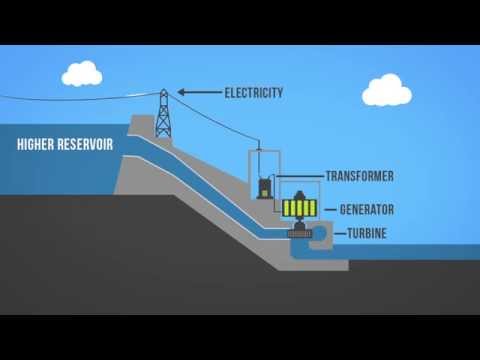
Now, let’s break this down. The system usually involves three main components:
- A water source: This can be a stream or river with enough flow.
- A turbine: When water flows through it, the turbine spins and generates electricity.
- An inverter: This converts the generated electricity from direct current (DC) to alternating current (AC), which is what most household appliances use.
Picture that moment when you’re out camping by a babbling brook. The sound is relaxing, right? Now imagine capturing all that flowing water to power your lights and fridge back home! Pretty neat!
But here’s where it gets tricky—location matters. You need sufficient flow and fall (the drop in elevation) for micro hydro systems to work efficiently. If the water flow dips too low during dry seasons, your energy supply could take a hit.
Another point to consider is cost. While installation might set you back initially—think around $5,000 to $20,000 depending on the setup—it could pay off in the long run with reduced electricity bills. Plus, less reliance on fossil fuels feels pretty good for the planet too.
Let’s look at some perks of micro hydro:
- Low maintenance: Once it’s up and running, it doesn’t need constant attention.
- Sustainable energy: It uses renewable resources, so it’s friendly with Mother Nature.
- Reliable output: Unlike solar panels that depend on sunny days, as long as there’s flowing water, you’re generating power.
However, not everything’s rosy! You’ve got environmental concerns like disrupting local ecosystems or affecting fish migration patterns. And getting permits can be like navigating a maze sometimes—talk about frustrating!
So should you consider micro hydro power for your home? If you have access to a suitable water source and are committed to reducing your carbon footprint while saving on electricity bills over time—then maybe it’s worth exploring further.
In short: Micro hydro power could be a viable solution for home energy needs if you’ve got the right conditions going on. Just weigh those pros and cons carefully!
Cost Analysis of Microhydropower Systems: Exploring Investment and Sustainability in Renewable Energy
Microhydropower systems are pretty cool when you think about it. They harness the natural flow of water to generate electricity, which is not only sustainable but can also be cost-effective over time. Let’s dive into the **cost analysis** of these systems, looking at both investment and sustainability aspects.
First off, the initial **investment cost** is often what gets most people thinking twice. Setting up a microhydropower system can range from a few thousand bucks to tens of thousands depending on factors like location, water flow rate, and equipment choice. You’ll need things like turbines, generators, and maybe even some fancy control systems. Seriously, it’s like putting together a puzzle with pieces that don’t always fit perfectly.
Now, there’s also the **installation cost** to consider. This includes site preparation and any civil engineering work necessary to create the water intake and penstock—the pipe that carries water to the turbine. If you have to bring in contractors, that’s another layer of expense! But hey, think about the long-term benefits: once it’s running smoothly, maintenance costs are usually lower than traditional power sources.
Speaking of maintenance, let’s talk about **operational costs**. These are generally low for microhydropower systems because they have fewer moving parts compared to wind or solar energy setups. Just make sure you check on things occasionally to keep everything humming along nicely. A little TLC goes a long way here!
Now onto **sustainability**, which is super important in today’s world. Microhydropower can generate electricity with very little impact on nature when done right. It helps reduce our reliance on fossil fuels and cuts down greenhouse gas emissions—pretty rad if you ask me! Plus, it offers energy independence; communities can rely on their local water resources rather than depending on distant power grids.
And let’s not forget about return on investment (ROI). The beauty of microhydropower is that once the system’s paid off (often within 5-15 years), you’re basically generating free energy! Imagine your electricity bills shrinking over time while being kind to Mother Earth. It’s kind of like having your cake and eating it too!
So yeah, while the upfront costs may seem daunting at first glance—don’t forget about those long-term gains! When looking at both financial aspects and environmental benefits together, investing in microhydropower often makes tons of sense for folks committed to renewable energy solutions.
In summary:
- Initial investment: Costs range widely based on setup needs.
- Installation: Site prep and engineering can add to expenses.
- Operational costs: Generally low due to fewer moving parts.
- Sustainability: Significant reduction in reliance on fossil fuels.
- Return on investment: Free energy after initial pay-off period is sweet!
Microhydropower truly embodies a clever way to harness nature’s flow while being economically beneficial over time—what’s not to love?
You know, there’s something really cool about watching a river flow. It’s like this endless energy source just cruising by, and most of us might just take it for granted. But the thing is, that flowing water can actually be harnessed to generate electricity—yeah, it’s true! Enter micro hydro power, a neat way to tap into that natural flow and turn it into usable energy.
Micro hydro power systems are basically small-scale hydropower installations. We’re talking about producing up to 100 kilowatts of electricity from flowing water. So think of it like having your own little power plant right in your backyard if you’ve got a stream or river running by. It’s kind of magical when you think about how something as simple as water can create power.
When I was a kid, my family used to visit this little cabin by a lake every summer. There was this crystal-clear stream nearby that we’d spend hours playing in. I remember one day my dad telling me how the water could be used for electricity. At that time, I didn’t understand all the science behind it, but the idea that nature could do so much felt special. Now as an adult, I get to appreciate how micro hydro systems help not just families but entire communities access renewable energy while reducing their carbon footprint.
So here’s the deal: using micro hydro power has loads of benefits. First off, it’s super reliable; flowing water doesn’t stop working when the sun goes down like solar does or when wind isn’t blowing like with wind turbines. Plus, they’re pretty low impact on the environment compared to larger dams! It’s kind of heartwarming realizing that you can generate green energy without causing major disruptions to local ecosystems.
Of course, tapping into nature’s flow isn’t all rainbows and sunshine—there are challenges too. Not every stream is suitable for this kind of setup; factors like flow rate and environmental impacts have to be considered. And there’s also the technical know-how needed for installation and maintenance; it’s not just plug-and-play.
But still! It seems so promising as we look toward sustainable solutions for our future energy needs. It makes me feel hopeful thinking about how micro hydro is part of harnessing what our planet offers naturally instead of always reaching for fossil fuels or complicated tech solutions—and honestly? That feels pretty empowering.
So next time you pass by a river or stream, give it some thought! With a little ingenuity and respect for nature’s rhythm, those waters could be working hard to keep the lights on somewhere—and maybe even your lights someday too! The idea itself is refreshing like sipping cool water on a hot day… Oh wait; it literally is refreshing!