You know what’s wild? Water can actually generate electricity. Yep! That’s right! It’s like nature’s little power plant, just flowing along.
I mean, imagine standing by a bubbling stream. You might love the sound, that refreshing splash of water, but have you ever thought about all the energy zipping by?
Well, there’s this cool thing called micro hydro. It’s a way to tap into that energy without building massive dams or changing landscapes forever. It’s more like having an espresso machine for your home’s energy needs—small but mighty!
And honestly, it feels pretty great knowing we can harness something as natural as flowing water to help power our lives. So let’s dive into this micro hydro revolution together!
Exploring the Feasibility of Micro Hydro Power for Sustainable Home Energy Solutions
So, let’s chat about micro hydro power, yeah? It’s this cool method of generating electricity using flowing water. Imagine a small stream near your home—pretty much perfect for turning that water flow into energy!
Micro hydro systems are typically defined as having a capacity of up to 100 kilowatts. That’s enough to power several homes or even a small community. You don’t need a massive dam or a giant river; just some moving water will do the trick.
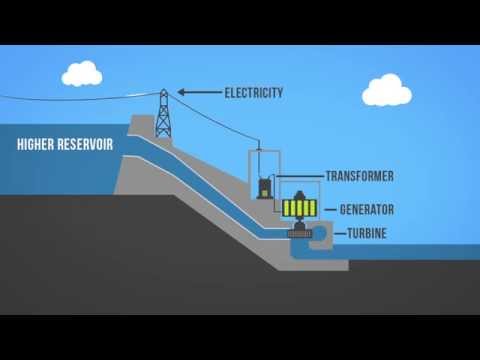
Now, you might be asking how this actually works. Well, it’s simple! Here’s the basic idea:
- Water Flow: Water flows through a turbine which spins.
- Turbine: The spinning turbine is connected to a generator.
- Electricity Generation: As the turbine spins, the generator produces electricity.
It’s kind of like those little wind-up toys we had as kids—you know the ones that whir and zip around when you twist them? It’s all about harnessing energy from motion.
The cool part is that micro hydro setups have been around for ages, but they’re getting more attention now because they offer some serious benefits:
- Sustainability: Using water that’s already flowing means it’s renewable and low-impact.
- Reliability: Unlike solar panels that depend on sunshine or wind turbines that need wind, if you’ve got running water, you’ve got power!
- Cost-Effective: After the initial setup costs—which can vary—there aren’t many ongoing expenses.
But hey, just like anything else in life, there are challenges too. Not every location is suitable for micro hydro power. You need enough water flow year-round. If you’re in an area with seasonal streams that dry up or fluctuate dramatically during winter and summer months, well… you’re gonna run into issues.
Also, think about environmental impacts. You want to be sure you’re not disrupting local wildlife habitats or changing stream ecosystems—this is super important!
There are amazing stories out there of communities going green with micro hydro. Take rural villages in Nepal; they’ve dramatically improved their living conditions by using small-scale hydro systems for electricity. This shift has brought light to many homes previously without it and helped local economies grow.
In summary, while micro hydro isn’t perfect and isn’t right for everyone, it offers an exciting path towards sustainable home energy solutions for those fortunate enough to live near consistent flows of water. If you’re thinking about dipping your toes into renewable energy options at home—or even if you’re just curious about alternatives—micro hydro could be worth considering!
Evaluating the Investment Potential of Micro Hydro Energy: A Scientific Perspective
Micro hydro energy is like the little sibling of big hydro projects, but don’t underestimate it! Basically, it captures the energy from flowing water—like rivers or streams—and converts it into electricity. When you think about investment potential, there’s a lot to consider.
So first off, let’s talk about cost-effectiveness. Micro hydro systems are usually cheaper to install than larger ones. You might spend less on infrastructure because of their smaller scale. This can be a big plus for investors looking for something with a lower upfront cost. It can be installed in remote areas where extending the grid would be mega expensive.
Then there’s the environmental impact. These systems tend to have a smaller footprint compared to large dams, which can disrupt entire ecosystems and communities. Since micro hydro installations are less intrusive, they’re often more acceptable to local communities and environmental groups alike, you know? Plus, you’re tapping into renewable energy sources that can help reduce carbon emissions.
Also, let’s not forget about reliability. Water flows are pretty predictable! Unlike solar or wind energy that depend on weather conditions (like those days when the wind just doesn’t blow), micro hydro will still produce electricity as long as there’s some kind of flow. That means steady output for your investment!
But hold on; it’s not all sunshine and rainbows. You have to consider site viability. Not every stream has enough flow or drop (that’s called “head”, by the way) to make energy generation feasible. Some sites may need expensive modifications or may not work at all after evaluation.
Then there’s maintenance—maintenance costs can eat into profits if you’re not careful! They do require upkeep over time–like keeping turbines clean and ensuring that everything runs smoothly so your investment doesn’t go down the drain… literally!
If you’re looking at this from an investment standpoint, understanding government incentives is crucial too! Many places offer tax breaks or grants for renewable energy projects. Getting in on that action could really boost your returns.
In summary:
- Cost-effective
- Environmentally friendly
- Reliable power source
- Site-specific viability checks needed
- Maintenance considerations important
- Government incentives may help financials
So basically, investing in micro hydro could be a smart move if done right—just keep an eye out for those challenges and make sure you do your homework! You know?
Understanding the Primary Drawbacks of Micro Hydro Generation in Renewable Energy Systems
Micro hydro generation can be a pretty neat way to harness energy from flowing water. You know, it’s like having a mini power plant right in your backyard! But before jumping in, it’s important to recognize the primary drawbacks that come with it. Here’s a breakdown of what you need to think about.
Environmental Impact
One of the major concerns is the potential impact on local ecosystems. Micro hydro systems can disrupt wildlife habitats, especially if the flow of water is altered too much. Fish and other aquatic life rely on consistent water paths for breeding and feeding. So, if you’re thinking about setting up a micro hydro system, keeping those critters in mind is crucial.
Limited Site Availability
Not every location is suitable for micro hydro projects. You need a consistent source of flowing water that has enough elevation difference—also known as head—to produce energy effectively. If you live in flat areas or places where rivers are scarce, well, you’re kinda outta luck there! Finding the right spot can really limit your options.
High Initial Costs
While maintenance costs might be low over time, setting up a micro hydro system isn’t cheap upfront. You’re looking at expenses for equipment, installation, and possibly even permits depending on local regulations. That’s real cash out of pocket before you even start generating energy!
Maintenance Challenges
Okay, so once it’s set up, you still gotta maintain it! Things like debris buildup or mechanical issues can cause downtime. This means you’ll need to check in regularly to make sure everything’s running smoothly. And if something goes wrong? Well, repairs might require expertise that not everyone has on hand.
Intermittent Energy Production
You’d think flowing water always equals power—wrong! During droughts or periods of low rainfall, your energy output may drop significantly. So relying solely on this source can be tricky unless it’s supplemented with other forms of renewable energy.
Regulatory Hurdles
Don’t forget about all those pesky laws and regulations! Depending on where you live, getting permission to set up a micro hydro generation system can require navigating red tape that feels endless. Some regions have strict guidelines aimed at protecting land and wildlife which could slow down or even halt your plans.
So yeah, while micro hydro generation offers some exciting possibilities for renewable energy production, it definitely comes with its share of challenges too! If you’re considering jumping into this realm, just weigh these drawbacks carefully against the benefits before making a move.
Water, when you think about it, is pretty incredible. It’s all around us, flowing in rivers and streams, splashing down from waterfalls. You might have even felt the chill of water running over your feet on a hot day. But here’s something that gets me every time: this same water can be harnessed to create energy. It’s like nature’s own little power plant just waiting to be tapped into.
So, let me tell you a story! A few years ago, I visited a small village tucked away in the mountains. The place had no access to the grid that powers most cities—no flicking a switch for light at night or charging up your phone during the day. But they had this amazing thing going on: micro hydro systems! These tiny setups used the rushing waters from nearby streams to generate enough electricity for their homes. Can you imagine? Instead of sitting in darkness after sunset, families could cook dinner and kids could study under bright lights. And all thanks to good ol’ H2O!
Now, how does this work? It’s actually pretty simple in concept. The technology used in micro hydro is designed to capture flowing water’s kinetic energy—basically, that movement of water we sometimes take for granted—and convert it into electricity using turbines. This setup can be as small as a car engine or even smaller! It’s not just efficient; it reduces reliance on fossil fuels too.
But let’s not get too carried away with numbers and technical jargon. The cool part here is that it’s super sustainable! Unlike big hydroelectric dams that can flood massive areas and disrupt ecosystems, micro hydro projects are often much gentler on the environment. They can co-exist with wildlife and help maintain local biodiversity while providing clean energy.
Of course, there are challenges—like ensuring these systems are properly maintained and accessible to communities who need them most—but the potential is huge! Just think about empowering remote villages who have been living without reliable electricity for ages; it’s like giving them a lifeline.
In many ways, harnessing energy from water taps into our connection with nature rather than exploiting it. It reminds us of how intertwined our lives are with the environment around us—you know? So yeah, while we chase after high-tech solutions for our energy needs, let’s not forget about those gentle streams just waiting to help light up our world in a greener way!