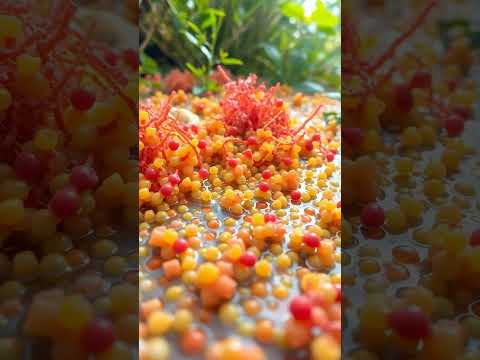
You know what’s wild? There are more microbes living in a teaspoon of soil than there are people on Earth. Yep, it’s true! Those tiny little creatures are everywhere, doing all sorts of stuff we can’t even see.
So, imagine if we could tap into their superpowers. We’re talking about everything from cleaning up oil spills to crunching up waste. But wait, there’s more! Scientists are really pushing the envelope with microbial cell research these days.
I mean, think about it: what if those invisible little guys could help create new medicines or even fuel? It’s kind of like having your own superhero team—just way smaller and a lot squishier. So let’s dig in and see what innovations are brewing in the world of microbes!
Exploring the Latest Innovations in Microbiology: Advancements Shaping the Future of Science
Microbiology has really taken off lately, you know? With new technologies and ideas changing the game, it’s pretty exciting to see how researchers are unlocking the mysteries of tiny life forms. From bacteria to fungi, these innovations are paving the way for all sorts of potential applications that could impact our future.
One standout area is **genome editing**. With tools like CRISPR, scientists can make precise changes to microbial genomes, which means they can enhance beneficial traits or deactivate harmful ones. Imagine tweaking a bacterium to produce more antibiotics or breaking down plastics faster. Pretty cool, huh?
Another fascinating development comes from **synthetic biology**. Researchers are designing microorganisms to perform specific tasks. For instance, you might have heard about bacteria engineered to convert waste into biofuels. That’s a win-win! We’re recycling waste while producing energy at the same time.
Biotechnology in agriculture is also getting a boost from microbiology innovations. Using beneficial microbes as fertilizers or pesticides is gaining traction. These little helpers can make plants stronger and healthier by promoting growth or defending against pests. It’s like giving your garden a superhero squad!
Now, let’s talk about **microbial fuel cells**—super interesting stuff! These devices use microbes to convert organic matter into electricity. Seriously! They’re being designed for everything from powering small sensors in remote areas to treating wastewater while generating power. It’s like nature’s own power plant.
And don’t forget about **vaccine development**! Researchers are studying how microbes work with our immune system to create better vaccines. Microbial models help them figure out how pathogens behave, which leads to safer and more effective vaccines for diseases.
Environmental applications are also significant here. Microbes play a crucial role in bioremediation—the process where living organisms clean up contaminated environments. Some bacteria can break down heavy metals or oil spills efficiently, helping restore ecosystems.
But wait, there’s more! The rise of **microbiome research** has opened up new doors too! Scientists are exploring how microbial communities in our bodies affect our health and well-being, leading to exciting possibilities in personalized medicine and gut health treatments.
In short, microbiology innovations hold incredible promise for various fields including healthcare, energy production, agriculture, and environmental science. By continuing down this path of discovery and innovation with microorganisms, we’re shaping a future that could be cleaner and healthier for everyone—and that’s something worth getting excited about!
Exploring the Latest Innovations in Microbiology Technologies: Advancements Shaping the Future of Science
Microbiology, you know, is seriously cool. It’s like the tiny world where some of the most exciting discoveries happen. These little organisms, like bacteria and fungi, are super important for everything from health to environmental sustainability. Recently, there have been some pretty awesome innovations in microbial cell research that are shaping the way we think about science and its applications.
One of the big deals is CRISPR technology. This technique lets scientists edit genes with precision. Imagine having a tiny pair of scissors for DNA! With CRISPR, researchers can modify microbial cells to produce valuable substances like biofuels or medicines more efficiently. It’s a game-changer because it allows us to tweak microorganisms to meet our needs in ways we couldn’t before.
Another cool advancement is synthetic biology. This field combines biology with engineering principles to create new living things or redesign existing ones. For instance, scientists have developed engineered microbes that can consume pollutants and turn them into harmless byproducts. It’s like having an army of microbes cleaning up the environment!
Metagenomics is another term buzzing around these days. It’s the study of genetic material recovered directly from environmental samples. Instead of growing microorganisms in labs (which can be tricky since some don’t grow), researchers look at all the DNA present in a sample from places like soil or oceans to discover new species and functions that we didn’t even know existed! This helps us understand ecosystems better and find new drugs.
Also, let’s chat about microbial fuel cells. These are devices that use bacteria to convert organic matter directly into electricity! You can think of it as harnessing energy from waste products. They hold promise for sustainable energy solutions since they can help power devices without traditional fuels—pretty neat, right?
Bioremediation, which uses microbes to clean up contaminated environments, has taken off recently too. For example, scientists are now engineering bacteria specifically designed to break down plastics in our oceans and landfills! By training these microorganisms to munch on pollution, we’re tackling one of the biggest environmental issues out there.
And don’t forget about microbiomes! Research into human microbiomes—the collection of trillions of microorganisms living inside us—is booming as well. Understanding how these tiny creatures affect our health could revolutionize medicine by leading us toward personalized therapies based on our unique microbiomes.
So yeah, all these innovations in microbial cell research are shaping a future where science helps us solve real-world problems—like food shortages or climate change—with clever little organisms doing their thing! Isn’t it amazing how much potential these small beings hold? In the end, it’s about unlocking possibilities and working towards a healthier planet for everyone.
Exploring the Applications of Microbial Technology in Modern Science
Microbial technology is like this amazing toolbox we have in modern science. It’s all about using tiny living things, like bacteria and fungi, to help solve big problems. Seriously, these microorganisms are like superheroes for our planet!
One major application of microbial technology is in healthcare. You know how antibiotics work, right? They fight infections by killing harmful bacteria. But what if we could use good bacteria to help instead? That’s exactly what researchers are doing! Probiotics, you might’ve heard of them, are beneficial microbes that can improve gut health and boost our immune system. They’re a game changer for treating everything from digestive issues to mental health.
In agriculture, microbial technology plays a huge role too. Farmers have started using certain types of bacteria to enhance soil health. These microbes can help plants absorb nutrients better and even combat pests naturally! Imagine walking through a field knowing that these tiny organisms are right there helping crops grow stronger without any harmful chemicals.
Another exciting field is bioenergy. Microbes can be used to convert waste into energy! Like, think about all that food we toss out or waste from industries—microbes can break it down and release energy in the form of biogas. This not only reduces waste but also provides a renewable energy source. It’s like a win-win situation for us and the environment!
Let’s not forget about biotechnology in industrial processes either. Microorganisms are used to produce enzymes that speed up chemical reactions during manufacturing processes. For instance, some detergents contain enzymes derived from bacteria, making them more effective at cleaning while using less energy. Who wouldn’t want cleaner clothes with less impact on the planet?
And there’s more! Microbial technology has applications in environmental remediation as well—it’s basically nature’s cleaning crew. Certain bacteria can break down pollutants in soil or water, making it safe again. This process is known as bioremediation and has been used successfully after oil spills or chemical leaks.
And remember those fascinating places on Earth where life seems impossible? Extremophiles—microorganisms that thrive in extreme conditions—are being studied for their potential applications in medicine and even space exploration! These hardy little guys may hold clues for surviving harsh environments beyond our planet.
So yeah, microbial technology is reshaping many areas of modern science by harnessing the power of these microscopic organisms. From improving health to solving environmental issues and enhancing agricultural practices, they offer innovative solutions just waiting to be tapped into! And isn’t it just mind-blowing how much life there is around us—we’re only beginning to scratch the surface of what microbes can do for us?
Microbial cells might be tiny, but they pack a serious punch when it comes to innovation. Seriously, it’s amazing what scientists are discovering and how we can use these little guys. Just think about it: they’re basically the unsung heroes of our planet, helping out in ways we often take for granted.
I remember this one time I visited a lab where they were studying bacteria that could break down plastic. It was mind-blowing! These microorganisms can literally eat material that has been sitting in landfills for decades. How wild is that? The researchers were so passionate and hopeful about their work, and it was contagious. You could feel the excitement in the air like a kind of electricity.
Now, when we talk about innovations in microbial cell research, there’s a lot happening under the surface—literally! Scientists are figuring out how to genetically modify these cells to produce everything from biofuels to medicines. Imagine bacteria engineered to create insulin or even combat pathogens more efficiently? It’s like having little factories right inside your body!
And let’s not forget about applications beyond healthcare. There’s potential for using these microbes in agriculture too! They can help improve soil health or even protect crops from pests without the harsh chemicals we’re all trying to avoid these days. That could change farming as we know it. Plus, who wouldn’t love more eco-friendly methods?
But with great power comes great responsibility, right? The ethical implications of manipulating life at such a small scale are definitely something we need to think about carefully. There’s always going to be that balance between innovation and caution—how far is too far?
In the end, this whole field is just bursting with promise. It reminds me daily how interconnected everything is on this planet; every tiny cell plays a role in the bigger picture. And who knows what incredible new discoveries are just around the corner? That’s what keeps all of us science nerds buzzing with anticipation!