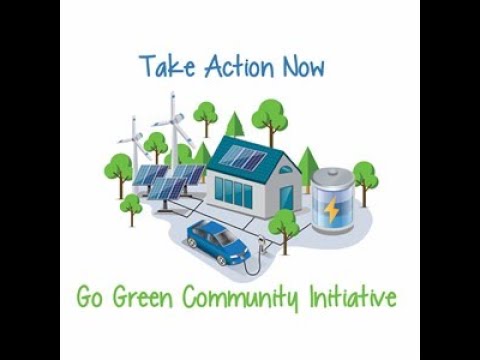
So, picture this: You’re standing outside on a windy day, hair all over the place, and you think to yourself, “Man, this wind is just wasted energy!” Ever had that thought? Well, guess what? You could actually be harnessing that wind to power your home.
Yeah, that’s right! Mini turbines can turn those breezy afternoons into some serious energy savings. Imagine using nature’s invisible hand to lower your electricity bill. Sounds cool, huh?
These little machines are popping up in backyards everywhere. They’re like superheroes for sustainable living—quiet but efficient. Seriously! So if you’ve ever wanted to ditch fossil fuels while still having Netflix on a chilly night, this just might be your ticket. Let’s dive into how these mini turbines work and why they could be the future of clean energy at home!
Evaluating the Viability of Micro Wind Turbines for Residential Energy Needs
Micro wind turbines are getting quite a bit of buzz lately, and for good reason! They’re seen as a sustainable energy option for homes, especially if you live in areas with steady winds. So, it makes sense to take a closer look at whether these little powerhouses can really meet our energy needs.
First off, let’s talk about what these micro wind turbines actually are. Basically, they’re small wind generators, usually under 100 kW in size. That’s just enough to supply some residential energy needs without taking up too much space. They can either be grid-tied, meaning they help reduce your electricity bill while still being connected to the main power grid; or they can be completely off-grid, providing power all on their own.
Now you might wonder about their efficiency. The truth is that the efficiency of these turbines depends largely on wind speed and turbine design. A typical micro turbine might start generating electricity at wind speeds around 7-10 miles per hour (mph), which is pretty manageable in many areas. But if you find yourself in a place with very low or inconsistent winds? Well, it might not be worth the investment.
- Noise Levels: One of the concerns people have is the noise they make. Some models are quieter than others, but if you’re sensitive to sound or live close to your neighbors, this could be a dealbreaker.
- Aesthetic Concerns: Let’s face it—some folks don’t want their backyard looking like a mini wind farm! So again, choosing a design that fits well visually with your home is important.
- Local Regulations: Before getting excited about installing one of these beauties, check out your local laws and zoning regulations. Some places have strict rules that could limit what you can do.
An example comes from rural areas where people have successfully installed micro wind turbines to reduce reliance on fossil fuels. Imagine living off-grid and powering your home entirely from renewable sources! It’s definitely doable if conditions are right.
You also have to think about the initial costs versus long-term savings. Micro turbines can run anywhere from $5,000 to $15,000 before installation costs are factored in! It may take several years to notice real savings on those utility bills. But hey—if you’re committed to sustainability and energy independence? It might just pay off in the long haul!
The crucial point here is that micro wind turbines aren’t *one size fits all*. Their viability largely depends on factors like location, local regulations, budget considerations, and personal preferences regarding noise and aesthetics. If you’re thinking about diving into this world of renewable energy from home? Do your homework first and see if it fits into your life!
In summary: they could be a great addition for some households but not necessarily for everyone—but isn’t that kind of life anyway? You’ve gotta find what works best for *you*!
Evaluating the Viability of Mini Wind Turbines: Scientific Insights and Cost-Benefit Analysis
Mini wind turbines are gaining traction as a small-scale solution for harnessing wind energy, especially for homes and small businesses. But how do we really evaluate their viability? Let’s break it down into some key areas.
First off, efficiency is a big player here. Mini turbines generally produce less energy than their larger counterparts. For instance, depending on the model and wind conditions, you can expect anywhere from 400 watts to 10 kilowatts of power from these beauties. So, if you’re in a breezy area, they could be a great addition to your home energy setup.
Next is the cost factor. These turbines can range in price from about $1,500 to $6,000 or more. When you toss in installation costs and maintenance—like replacing batteries or repairing parts—the investment can add up quickly. You do want to know if you’ll save money on energy bills over time!
Then there’s the sustainability angle. Wind power is renewable and produces no greenhouse gas emissions during operation. That’s pretty cool! Switching to mini turbines means you’re playing a part in reducing reliance on fossil fuels.
Now let’s look at location. Not every place is ideal for wind power generation. If your house is surrounded by tall buildings or trees that block wind flow, you’ll have issues maximizing efficiency. The idea is to find an open space where the wind can flow freely—kinda like how birds need space to soar!
So, what about regulations? Before jumping into installation, it’s crucial to check local laws and regulations around mini wind turbines. Some areas have strict guidelines that might limit where you can place them or how tall they can be.
And let’s not forget about noise and aesthetics! Some people worry about the sound these turbines make—not exactly a gentle breeze! Others might find them visually unappealing in their backyard landscape.
In summary, evaluating the viability of mini wind turbines boils down to several important points:
- Efficiency: Smaller output compared to large turbines.
- Cost: Initial investment plus maintenance expenses.
- Sustainability: Renewable energy source with minimal emissions.
- Location: Open spaces maximize efficiency; obstacles reduce performance.
- Regulations: Must adhere to local laws and guidelines.
- Noisy and aesthetic concerns: Consider potential disturbances to neighbors and visual impact.
Ultimately, mini wind turbines could be a smart choice for some homeowners looking to go green. Just weigh everything carefully—it’s all about making informed decisions that fit your unique situation!
Exploring the Feasibility of Installing Small Wind Turbines on Residential Properties: A Scientific Perspective
So, let’s chat about small wind turbines for homes. You know, those cute little spinning blades you might see in some backyards? They’re more than just a pretty sight; they could help us harness renewable energy right where we live. But there’s a lot to consider—like, seriously.
First off, the basics: small wind turbines are designed to generate electricity from wind. They’re usually less than 100 kW, which is just enough to power a home. Pretty cool, huh? But the catch is that they need consistent wind speeds of about 9-14 mph to be effective. That’s where location comes into play.
Now, if you live in a windy place—maybe near the coast or up on a hill—you might be in luck. But if you’re surrounded by tall buildings or trees, well, you might not get so much bang for your buck. Wind flow can get really complicated; you know how it swirls around obstacles? That can mess with efficiency.
The setup: Installing these turbines isn’t as simple as plopping one down in your yard. You need to think about zoning laws and building codes first! Some places have restrictions on height and placement because safety and aesthetics matter too. It’s like asking permission before setting up a treehouse!
Another biggie is the cost. Prices can range from $3,000 to $8,000—yikes! Plus installation costs can vary depending on where you live and how complex the setup gets. And while they can save money on energy bills over time, it could take years to break even on that initial investment.
And then there’s maintenance. Yes, machines need love! Small turbines have moving parts that require upkeep—like lubrication and occasional checks for wear and tear. Think about it: would you feel comfortable climbing up there every few months?
Environmental impact: These mini towers are usually better for the environment than fossil fuels since they don’t produce harmful emissions while generating electricity. However, we must also consider their effects on local wildlife—especially birds and bats that might fly too close.
Now let me tell ya something personal: my buddy lives out in an open area where the winds whip strong enough to make your hair stand up—but he still debated getting one of these turbines installed because he was worried about noise and maintenance hassle! Turns out he decided to go solar instead because it felt less complicated for him.
At the end of the day, considerations like location, cost, and maintenance really shape whether installing a small wind turbine at home makes sense for someone or not. So before jumping into it headfirst, do some homework!
In conclusion—wait! Did I just say that? Haha! Well anyway—the thing is, harnessing wind power with mini turbines isn’t just black-and-white; it takes some thought on various fronts before deciding if it’s right for your own space or lifestyle!
You know, wind power has been around for ages, but lately, it’s been catching a lot of buzz. I mean, just think about it. When I was a kid, I used to watch those huge wind turbines out in the fields and thought they looked like giant pinwheels. Fast forward to now, and the idea of having mini wind turbines in our own backyards or rooftops is becoming a reality! That’s pretty cool.
So here’s the deal: mini turbines harness the wind to create energy. It’s like nature is working for us. These little guys are designed to be efficient and less intrusive than their larger counterparts. You’ve probably seen those massive turbines that dot the countryside—great for farms but not exactly practical for apartment buildings, right? Mini turbines come into play here as a more adaptable option for sustainable living.
Now, let’s talk about how they work because that’s where it gets kinda interesting. Basically, when the wind blows (and let me tell you, it can blow!), the blades of these turbines spin around. This spinning motion turns a generator inside that produces electricity. Depending on how windy your area is, you could generate enough power to significantly reduce your electric bill or even go off-grid! Can you imagine being able to power your home with nothing but fresh air? It’s mind-blowing!
Of course, there are always things to consider, like location and zoning laws—some places just aren’t too keen on having mini turbines dotting their neighborhoods. And while some might argue about aesthetics (like whether they look cute or not), I can’t help but feel hopeful every time I see one at someone’s house.
One time my friend decided to give green living a shot and installed one of these mini wind turbines on her roof. She became so passionate about it! Every time we’d hang out at her place, she’d point out how much energy she was saving and talk about how cool it felt to contribute in some way to a healthier planet. It was infectious; her enthusiasm really pulled me in.
Interestingly enough, these small-scale solutions can spark bigger conversations too! They have this sort of ripple effect—if more people start using renewable energy sources like wind at home, then maybe our cities will shift toward more sustainable practices overall.
So yeah—mini wind turbines might seem like a simple gadget but they hold potential beyond just being an eco-friendly option. They can empower individuals while also making waves in the larger conversation about sustainability and climate change. Who wouldn’t want that kind of impact? Just something worth thinking about next time you feel that breeze on your face!