So, the other day I was chatting with a friend who was absolutely convinced that their sweet tooth was just a sign of weakness. But guess what? It turns out their cravings might be more about hormones than self-control!
Endocrine disorders are sneaky little things. They can mess with your body in all sorts of surprising ways. You think it’s just stress or late-night snacks? Nope! Sometimes it’s your hormones throwing a tantrum.
Ever feel like you’re on a rollercoaster of emotions for no reason? Well, that could be your thyroid or maybe your adrenal glands playing tricks on you. Seriously, these tiny organs do some heavy lifting!
So, let’s dig into the world of endocrine disorders and see how they really work behind the scenes. You might find some answers about those weird feelings or cravings you’ve been wondering about!
Exploring the Most Prevalent Endocrine Disorder Globally: Insights and Implications for Health Science
So, let’s talk about endocrine disorders. These are conditions that mess with your hormones—those little messengers in our body that regulate just about everything! When we think about the most prevalent one globally, we can’t ignore diabetes, specifically type 2 diabetes. Seriously, it’s become so common that you probably know someone dealing with it.
Now, here’s the thing: diabetes happens when your body can’t use insulin properly. Insulin is this super important hormone produced by the pancreas. Imagine it as a key that unlocks your cells to let sugar in for energy. When the key gets stuck or isn’t made in enough quantities, sugar builds up in the blood. That’s not just a nuisance; it can lead to some pretty serious health issues like heart disease or nerve damage.
The numbers are staggering! According to the World Health Organization, there were around 422 million people living with diabetes in 2014. And that number has been climbing ever since. What does this mean for us? Well, as this condition spreads like wildfire, the healthcare system is feeling the strain more than ever.
- Impact on Health Services: Increased demand for doctors and specialists who deal with diabetes.
- Education Needs: There’s a growing need for programs that teach people how to manage their diet and lifestyle better.
- Cultural Differences: The ways people eat and live differ across cultures, affecting how diabetes shows up in communities.
You know, it reminds me of a friend of mine who completely changed his life after being diagnosed. He started paying attention to what he ate and began exercising regularly. His journey wasn’t easy—there were ups and downs—but he really grasped how managing his condition was key to feeling better. This personal experience reflects how education and support play huge roles in dealing with such disorders!
Pushing into other endocrine disorders like thyroid problems, we find another common player on the global stage—hypothyroidism or hyperthyroidism. The thyroid gland controls metabolism through hormones like thyroxine. If it’s slow (hypothyroidism), you might feel sluggish; if it’s overactive (hyperthyroidism), you could feel anxious and jittery.
- Mental Health: Both conditions can lead to emotional struggles due to hormonal imbalance.
- Coping Strategies: Regular check-ups become essential—it’s not about just popping pills; it’s managing life!
The science behind these disorders opens doors for research too! It’s driving innovations in treatments, from medications that better balance hormones to new technologies like apps tracking blood sugar levels or hormone fluctuations in real-time.
The implications of these endocrine disorders stretch far beyond individuals; they affect families and entire communities too. Tackling them means understanding not only biology but also socio-economic factors! It shows how interconnected health really is—you deal with one aspect and feel ripple effects everywhere else.
So yeah, understanding these prevalent conditions isn’t just an academic exercise; it’s essential for improving our collective health moving forward!
Exploring the 7 Major Endocrine Glands: Key Components of Human Endocrinology
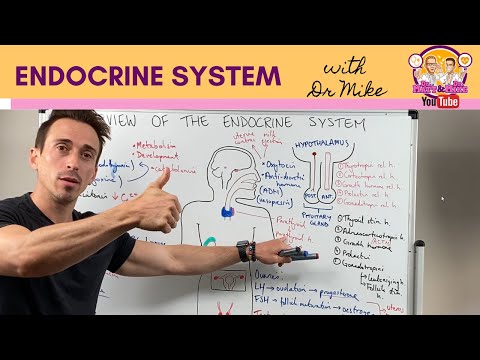
So, let’s chat about the endocrine system—the body’s own chemical messaging service. It’s a bit like a symphony, where various glands work together to maintain harmony and balance. You may have heard of some common problems related to this system like diabetes or thyroid issues, but let’s break down the key players first.
- Pituitary Gland: This little guy is often called the “master gland.” It controls other glands and regulates vital functions such as growth and metabolism. Imagine it as the conductor of our hormonal orchestra!
- Thyroid Gland: Located in your neck, it oversees your metabolism—think of it as the engine that keeps your body running. When it goes haywire, you might feel sluggish or overly energetic.
- Parathyroid Glands: These four small glands manage calcium levels in your blood. If they don’t do their job well, you could face bone issues or muscle cramps.
- Adrenal Glands: Nestled on top of your kidneys, these guys produce hormones like adrenaline. They help you cope with stress and can give you that rush when you need to react quickly!
- Pankreas: Besides helping digest food, it plays a huge role in controlling blood sugar levels by releasing insulin. An imbalance here can lead to diabetes; that’s when you’re either not producing enough insulin or your body can’t use it effectively.
- Gonads (Ovaries & Testes): These are responsible for producing sex hormones—estrogen and testosterone—and are key in sexual development and reproduction.
- Pineal Gland: This small gland produces melatonin, which helps regulate sleep patterns. If you’ve ever felt jet lagged or had trouble sleeping, this might be your little culprit!
Your endocrine glands really coordinate many bodily functions without us even realizing it! But sometimes they can get out of sync. For example, if your thyroid is overactive (known as hyperthyroidism), you may experience rapid weight loss and anxiety. It’s kind of wild how something so small can have such big effects on your life.
I remember a friend who struggled with getting up every day because she was constantly exhausted and couldn’t shake off this constant feeling of fatigue—it turned out her thyroid levels were off! Once she got treated for hypothyroidism, her energy came back like a spring breeze after winter.
This shows how important these tiny glands are! They affect not only physical health but also emotional well-being. So next time someone mentions hormones or endocrine disorders—maybe remind them about how crucial those 7 major glands really are! Taking care of them is key for maintaining a healthy balance in life.
Exploring Uncommon Endocrine Disorders: Insights into Rare Hormonal Conditions in Science
Sure thing! Let’s talk about those uncommon endocrine disorders. It’s pretty interesting stuff, maybe not the usual topics you hear about, but they have some serious implications for our understanding of hormones and health.
First off, endocrine disorders crop up when glands don’t work quite right. You know, the glands produce hormones like insulin or thyroid hormones that help regulate everything from metabolism to growth. While we often hear about common conditions like diabetes or hypothyroidism, there are rare ones that can be just as tricky.
One such disorder is Addison’s disease. It happens when your adrenal glands don’t produce enough hormones, which can lead to fatigue, low blood pressure, and even darker skin patches. Imagine feeling super tired all the time and just figuring it’s part of life. That’s what happened to a friend of mine who was misdiagnosed for years until they finally nailed it down as Addison’s.
Now let’s bounce over to something called Congenital Adrenal Hyperplasia (CAH). This one usually hits at birth. It messes up how the adrenal glands work due to an enzyme deficiency. The body can’t produce enough cortisol which can lead to hormonal imbalances. Kids with CAH might develop traits typically associated with different genders due to higher levels of certain hormones. It can feel overwhelming for families navigating this condition.
Another rare yet fascinating disorder is Multiple Endocrine Neoplasia (MEN) syndromes. They come in a couple of flavors – like MEN 1 and MEN 2 – where multiple endocrine tumors pop up in different glands at once! Seriously, imagine your body hosting its own little hormone party gone wild; that’s what it feels like inside these folks sometimes.
And there’s Pituitary Adenomas, benign tumors on the pituitary gland that can cause other glands to overproduce or underproduce hormones. Depending on which hormone is involved, you could face anything from unexpected weight gain to vision problems! It’s wild how a tiny tumor can cause such big issues.
So yeah, while we normally focus on well-known issues, these uncommon disorders show us just how complex our endocrine system really is. Each case highlights unique challenges for doctors and patients alike—sometimes requiring innovative treatments or specialized care plans.
There are also some emerging studies looking into the genetic factors behind these conditions. Think about it: finding out if certain genes might predispose someone to an uncommon disorder could open doors for early intervention strategies!
In short, although they’re rare and often overlooked in discussions about health, uncommon endocrine disorders remind us of how intricate our bodies truly are—and they help scientists learn more about each little hormone’s role in maintaining balance within us all.
You know, when we chat about health, the endocrine system doesn’t always get the spotlight it deserves. Honestly, it’s like the unsung hero of our bodies. Think about it—this system is all about hormones, those little messengers that help regulate everything from growth to metabolism. But sometimes, things go a bit haywire.
Take diabetes, for instance. This one hits close to home for many people. I remember a friend in high school who was diagnosed with Type 1 diabetes. It was tough watching him manage his blood sugar levels while trying to just be a regular teenager. That opened my eyes to how intricately our body functions. When insulin production goes south—bam!—blood sugar levels skyrocket or plummet.
Then there’s hypothyroidism and hyperthyroidism. Your thyroid is this butterfly-shaped gland in your neck and plays a massive role in regulating your metabolism and energy levels. If it’s sluggish (hypothyroidism), you might feel tired or gain weight easily, which can be so frustrating when you’re just trying to keep up with life! On the flip side, if it’s overactive (hyperthyroidism), you could be feeling anxious and losing weight without even trying—it’s like being on a rollercoaster ride of emotions!
And let’s not forget about polycystic ovary syndrome (PCOS). This one affects quite a few women and can lead to irregular periods and hormonal imbalances that impact everything from skin health to fertility. It’s crazy how interconnected our bodies are, right?
The implications of these disorders are vast—not only do they affect individual lives but also society at large. Think about healthcare costs or the emotional toll on families dealing with these challenges. Plus, understanding these disorders better can really change the way we approach treatment and management.
So yeah, while we might not think about our hormones every day, they’re crucial players in the grand scheme of our well-being. And just like my friend from high school taught me, raising awareness about these disorders isn’t just important; it’s necessary for fostering empathy and understanding within our communities. And hey, maybe next time you hear “endocrine system,” you’ll think differently about what it means for all of us!