You know that feeling when you’re trying to charge your phone and the battery just won’t budge? You’re basically watching paint dry, right? Well, let’s talk about renewable energy.
Imagine if we could tap into sources like the sun and wind without wasting any juice. Seriously, it’s like finding a shortcut in a never-ending traffic jam.
Renewable energy is kinda like that superhero we all need—clean, ready to save the day, but sometimes a little clumsy at getting the job done.
So, how do we pump up the efficiency of these green solutions? Let’s break it down together.
Maximizing Efficiency in Renewable Energy Solutions: Innovative Strategies and Insights for Sustainable Science
Renewable energy is really something, isn’t it? The way we can harness nature to power our lives is both cool and necessary. But here’s the kicker: we really want to **maximize efficiency** in how we use these resources. There’s always room for improvement, and that’s where innovative strategies come into play.
Let’s break it down a bit. Think about solar panels. They’ve become quite a common sight on rooftops, right? Well, scientists are continually working on ways to make them even better. For instance, new materials like perovskite cells are showing promise. They might be cheaper to produce and could convert sunlight into energy way more efficiently than traditional silicon panels.
But it isn’t just about the materials themselves; design matters, too! Take wind turbines, for example. Engineers are redesigning the blades to capture more wind energy at various speeds. This can lead to higher overall energy output and fewer unproductive hours.
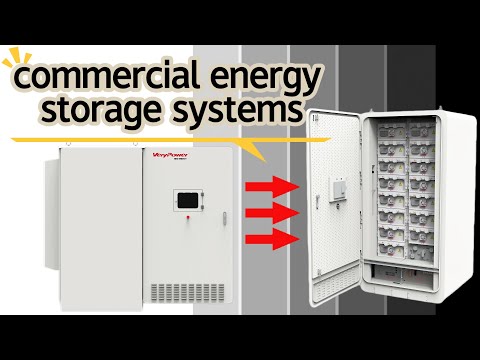
Also, there’s this whole thing about energy storage. Imagine you’ve got a solar panel that generates energy during the day when it’s sunny but you need that power at night or when it’s cloudy. That’s where batteries come in! You want those batteries to store as much energy as possible without losing it over time. Advances in battery technology—like solid-state batteries—are trying to tackle this issue.
Now let’s talk about smart grids. These systems can optimize how electricity flows from renewable sources based on demand and supply in real-time. So, if it’s super windy one day, the grid can prioritize wind energy use without wasting any of it!
And hey, efficiency isn’t all about tech upgrades. It also relies on how we think about consumption patterns:
I once had a friend who installed solar panels at her house because her electric bill was getting seriously out of hand—like jaw-droppingly high! After some research (and a little help from YouTube), she realized that by adjusting her usage habits along with those panels, she could save tons of money while also contributing positively to the environment. It’s like hitting two birds with one stone!
When all is said and done, rural communities especially stand to gain a lot from these strategies too! They often have access to vast resources but not always enough infrastructure or funds. Innovative approaches like community solar farms make this possible.
So yeah, maximizing efficiency in renewable energy solutions is like piecing together an intricate puzzle—a mix of cutting-edge science and smart practices that make our planet healthier while keeping those bills in check! Isn’t that just awesome?
Tripling Renewable Energy and Doubling Energy Efficiency by 2030: Key Strategies for Achieving the 1.5°C Climate Goal
Sure thing! Let’s break down the idea of tripling renewable energy and doubling energy efficiency by 2030 in a way that’s easy to digest. This is super important, especially if we want to keep global warming at bay and aim for that 1.5°C climate goal.
First off, the main goal is simple: we need to change how we produce and consume energy drastically. The stakes are high; doing nothing isn’t an option if we care about our planet’s future.
One key strategy is ramping up renewable energy sources. We’re talking about wind, solar, hydro, and geothermal power. They are clean and can be harnessed without depleting resources. For instance, if we can invest more in solar panels or offshore wind farms, then imagine how much cleaner our air would be!
Now onto energy efficiency. It’s not just about making more energy but also using it better. Doubling energy efficiency involves upgrading buildings and appliances so they consume less power. Think about it: when was the last time you checked your light bulbs? Swapping regular ones for LED bulbs can save a good chunk on electricity bills while helping the planet too.
But here’s where it gets tricky. It’s not enough just to invest in technology and hope for the best—people need to be on board too!
- Policy frameworks: Governments have to create policies that support renewable projects. Stuff like tax incentives or funding for research can make a huge difference.
- Public awareness: If people know why this matters, they’re more likely to adapt their behaviors—like reducing waste or choosing public transport over driving.
- Community initiatives: Engaging local communities in renewable projects helps build trust and allows innovative ideas to flourish right where they’re needed.
Then there’s tech innovation; it’s like the cherry on top! Advancements in battery storage technology mean we can store excess energy from windy days for use on calm ones. This makes renewables like solar and wind way more reliable than before.
Let’s chat about a real-world example. Over in Denmark, they’ve made huge strides with wind energy—so much so that they sometimes generate more electricity than they need! They’ve really embraced community involvement by letting local folks invest directly in wind projects.
So what do all these strategies boil down to? A combined effort from various sectors—government policies, technological innovation, community action—will drive this shift towards sustainable practices by 2030.
Remember my friend who got solar panels installed on their roof? They told me it felt empowering seeing their meter run backwards because they were generating more than using! That kind of success story inspires others to think differently about their own consumption habits.
In short, tripling renewable energy use and doubling efficiency isn’t a walk in the park; it’ll require teamwork from all of us—from policymakers down to everyday individuals—to make this vision a reality while keeping an eye on that essential climate goal of keeping warming below 1.5°C. So let’s roll up those sleeves together—it really does take a village!
Achieving the 2030 Global Renewable Energy Target: A Scientific Perspective on Sustainability and Innovation
Achieving the 2030 global renewable energy target is a big deal. It’s kind of like the world decided it’s time to stop relying on fossil fuels and start using cleaner energy sources, you know? But, get this—it’s not just about switching to solar panels or wind turbines. We need to maximize efficiency across all renewable solutions. That means making sure we’re getting the most energy out of every resource we use.
First off, let’s talk about solar energy. Solar panels are awesome because they convert sunlight into electricity, but they need to be *super* efficient to really make a dent in our energy needs. Modern panels can reach efficiencies over 20%, meaning they convert more than one-fifth of the sunlight they receive into usable power. That’s pretty neat! But researchers are pushing even harder for innovations like bifacial solar panels that capture sunlight from both sides, boosting output even further.
And then there’s wind power. Wind turbines are like giant fans that use moving air to generate electricity. Efficiency in wind farms depends a lot on how well these turbines are placed and their design. For example, if you put them too close together, they can block each other’s wind—so creating smart layouts is key! Plus, newer turbine models can harness lower wind speeds better than older ones, meaning they can work even when breezes are light.
Of course, we can’t forget about storage. Energy doesn’t always come when we need it—like sunny days versus cloudy ones or windy days without much breeze. That’s where batteries and other storage solutions step in! By maximizing how we store energy, we can ensure that excess power generated on good days is available for the not-so-great ones.
Now let me throw this at you; innovation isn’t just limited to technology itself but also in how we think about using these resources. Like floating solar farms! They utilize bodies of water for installation instead of land which saves space while reducing evaporation from reservoirs—a two-for-one deal if I’ve ever seen one!
It’s also crucial for governments and organizations around the globe to support policies that boost renewable energy development and research funding. This helps create an environment where innovative ideas can flourish and become practical solutions for real-world challenges.
And hey, let’s not forget community involvement! When local communities embrace renewable projects—like community solar gardens or cooperative wind farms—it leads to social acceptance and shared benefits that can accelerate our path towards those 2030 targets.
So yeah, achieving the global renewable energy target by 2030 is no small feat—it requires serious commitment across technology, policy-making, community engagement, and a whole lot of creative thinking! Every little advancement could pave the way for a more sustainable future where clean energy powers our lives without leaving a messy footprint behind.
You know, when we talk about renewable energy, it’s like a breath of fresh air—literally and figuratively. I remember this one time when my buddy was trying to install solar panels on his roof. We spent an entire weekend up there, fiddling with brackets and cables under the sun. We were sweating buckets, but it felt so good to think we were doing something for the environment. That’s what it’s all about, right? Making a difference while also getting a tan!
So here’s the thing: when we look at maximizing efficiency in renewable energy solutions, we’re not just talking about slick tech or fancy installations. It’s about harnessing nature’s gifts—like sunlight, wind, and water—and using them in the smartest way possible. It feels kinda magical if you think about it. Like, how cool is it that sunlight hitting your roof can power your TV?
But the reality isn’t all sunshine and rainbows. Sometimes you hear folks argue that some methods aren’t as efficient as they could be. For instance, solar panels work best in certain conditions; cloudy days can really put a damper on the output. And wind turbines? They’re amazing—unless there’s no wind! So finding ways to optimize these systems is crucial.
One approach I’ve seen involves smart grids that can adapt based on changing conditions. Imagine if your energy source could figure out when to pull from solar or wind power or even decide when to store energy for later use! It’s like having a really savvy friend who knows just how to balance their checkbook.
And don’t get me started on battery technology! Advances here are changing the game big time. The more efficient batteries are—like how quickly they charge and how long they hold power—the better we can use renewable sources without wasting much energy.
There’s something heartwarming about seeing communities coming together to invest in renewables too. It reminds me of those summer afternoons where everyone pitches in for a BBQ; everyone benefits, and there’s this shared sense of joy and responsibility.
At the end of the day, maximizing efficiency isn’t just numbers or stats—it’s about our future and creating sustainable habits that enrich our lives without draining our planet’s resources dry. And honestly? I think we’re heading in that direction—step by step—even if sometimes it feels like we’re climbing uphill with those solar panels strapped on our backs!