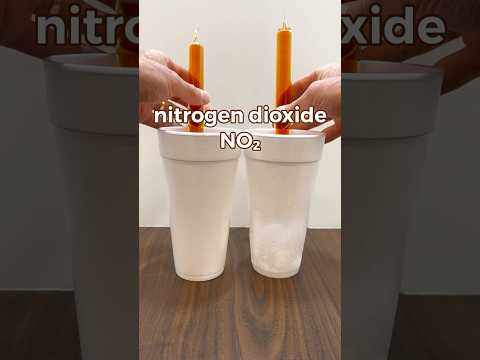
You know that weird smell when you’re stuck behind a bus? Yeah, that’s nitrogen dioxide, or NO2 if you wanna be all scientific about it. It’s pretty much like the annoying friend you can’t shake off.
So, here’s a fun fact: it’s not just hanging out in traffic. NO2 plays some sneaky roles in our atmosphere and even in chemistry labs. Crazy, right?
But wait, there’s more. Did you know that nitrogen gas (N2) makes up about 78% of the air we breathe? It gets a bad rap for being kind of boring. But trust me, it has its moments in some pretty cool reactions!
Let’s chat about how these two buddies—nitrogen dioxide and nitrogen gas—are shaping modern science and why they matter to us, even if we don’t always realize it!
Understanding the Chemical Relationship: Is N2 Nitrogen Dioxide?
So, let’s get to the nitty-gritty of nitrogen compounds. You might have heard of both N2 and nitrogen dioxide (NO2) in your chemistry classes or maybe in real life—like when you see that brownish haze over cities. But here’s the scoop: they’re not the same thing at all!
N2, or diatomic nitrogen, is the form of nitrogen that makes up about 78% of our atmosphere. You know? It’s what you’re breathing right now! This molecule is super stable and non-reactive under normal conditions. It just hangs out and doesn’t bother anyone.
Now, on the flip side, we’ve got Nitrogen Dioxide (NO2). This little guy is quite different. First off, it has one nitrogen atom and two oxygen atoms. When nitrogen gas (N2) gets all reactive—usually due to high temperatures or certain industrial processes—it can combine with oxygen to form NO2. This transformation is key in pollution and contributes to smog.
- N2: Non-toxic, non-reactive gas found in the air.
- NO2: A reddish-brown gas, it plays a significant role in air quality issues.
- Nitrogen Cycle: In nature, N2 can be converted into various forms through lightning strikes or by bacteria in the soil!
- Toxicity: NO2, unfortunately, can be harmful if inhaled over time—an issue for those living near busy roads.
You see? The chemical relationship isn’t direct; it’s more like a family tree! Think of N2 as the calm parent who stays cool and collected while NO2, their reactive child, goes out causing ruckus when mixed with other elements like oxygen.
A quick anecdote: I remember once visiting a city where I could barely see across the street due to smog. That was mostly NO2, which reminded me how important understanding these compounds is—especially when we think about clean air!
The takeaway? N2, while abundant and peaceful, doesn’t share much of its chemistry with NO2, which keeps popping up as a pesky pollutant. Each has its place but knowing how they relate helps us understand air quality better—and lets you breathe easy (or at least try to)!
If you want to explore more about this topic or dive into other aspects of atmospheric chemistry, just let me know! There’s always something new cooking up in our skies!
Exploring the Importance of Nitrogen Dioxide Research in NASA’s Environmental Science Initiatives
Alright, let’s chat about nitrogen dioxide (NO2) and why NASA is super interested in it for environmental science. You might not think about nitrogen dioxide often, but it plays a big role in our atmosphere and has some serious implications for air quality and climate change.
First off, what’s nitrogen dioxide? It’s a reddish-brown gas that forms when fossil fuels are burned. Yep, think of cars, power plants, and even wildfires. So when you see that hazy skyline or smell the exhaust fumes, NO2 could be hanging around.
Now, why should we care? Here’s the thing: nitrogen dioxide is not just an air pollutant; it also contributes to the formation of ground-level ozone and fine particulate matter. These are bad news for our health. They can lead to respiratory issues and other health problems—especially in kids and older folks.
NASA does research on NO2 for a couple of reasons. First, they want to monitor its levels globally using satellite data. This is key because understanding where NO2 is concentrated helps scientists figure out pollution sources better. You see? If we know where the pollution is coming from, we can address it more effectively.
Also, NO2 plays a role in climate change. It contributes to greenhouse gases—so reducing its emissions can make a difference. One study showed that cutting down on nitrogen emissions could lead to significant improvements in air quality over time.
You might wonder how they do this research. NASA uses satellites like the Aura satellite designed specifically to measure various atmospheric components, including nitrogen dioxide levels from space. The data collected helps scientists create detailed models that predict how these concentrations change over time due to various factors like weather patterns or industrial activities.
So as you can see, researching nitrogen dioxide isn’t just some academic exercise; it directly ties back into protecting our health and environment. By learning more about this gas through NASA’s initiatives, we get closer to cleaner air – something we all want!
To sum up:
- Nitrogen dioxide (NO2) is an important air pollutant. It affects both health and climate.
- NASA uses satellite technology to track NO2 levels globally.
- This research helps identify pollution sources and predict future changes.
- Curbing emissions of NO2 contributes significantly to improving air quality.
In short, nitrogen dioxide research isn’t just geeky science talk; it’s crucial for making our planet healthier for all of us!
Exploring the Scientific Applications of Nitrogen Dioxide: Uses and Implications in Research and Industry
Sure! Let’s chat about nitrogen dioxide, or NO2, which is one of those gases that pops up in both research and industry. You might have heard of it because it’s a key player in the air pollution scene, but it’s got some interesting uses beyond just being a troublemaker for our lungs.
Nitrogen Dioxide Basics
So, first off, what is nitrogen dioxide? It’s a reddish-brown gas with a sharp smell. If you’ve ever been around car exhaust or industrial emissions, you’ve likely come across NO2. It forms when fossil fuels burn at high temperatures. Basically, it’s like a byproduct of combustion processes that we need to keep an eye on.
Research Applications
Moving into the realm of research, NO2 isn’t just sitting there looking pretty. Scientists use it in various studies:
- Atmospheric Chemistry: Researchers study NO2 to understand air quality and atmospheric reactions. Knowing how it interacts with other pollutants helps develop better air pollution models.
- Environmental Impact: By measuring NO2 levels, scientists can assess the impact of traffic and industrial activities on local ecosystems.
- Health Studies: There are lots of studies linking nitrogen dioxide exposure to respiratory problems. This makes it critical for public health research.
- Synthetic Chemistry: In laboratories, NO2 is utilized in creating various compounds. For example, it’s involved in synthesizing certain nitrated organic compounds that are useful in pharmaceuticals.
I remember when I worked on a project monitoring air pollution in urban areas; we spent countless hours analyzing NO2 data to see how traffic patterns changed over time. It was fascinating but also kind of scary how much these emissions can fluctuate!
Industrial Uses
Now let’s talk about industries that get their hands dirty with nitrogen dioxide:
- Agriculture: Believe it or not, nitrogen dioxide plays a role here too! It can be involved in the synthesis of fertilizers that help crops grow better.
- Chemical Manufacturing: Industries use this gas to produce nitric acid – super important for making explosives and fertilizers!
- Pesticides: Some pesticides are created using nitrogen oxides as raw materials—definitely something farmers rely on for protecting their crops.
Isn’t it interesting how something often seen as harmful also has practical applications? But there’s always that balance between its uses and the potential harm from its emissions.
The Double-Edged Sword
But here’s where things get tricky. While NO2 has its applications, it also poses serious health risks when levels get too high. Prolonged exposure can lead to chronic respiratory diseases—certainly not something anyone wants!
The challenge is figuring out effective regulations so we can benefit from its uses while minimizing negative effects on health and the environment.
In wrapping up this chat about nitrogen dioxide: Yes, it’s essential for various scientific applications and industries, but let’s not forget about the implications surrounding its impact on air quality and human health. Keeping tabs on this gas means balancing innovation with our planet’s well-being—and that’s an ongoing journey!
Nitrogen dioxide, or NO2, is one of those gases that tends to get a bad rap. You might know it as that brownish gas you see in polluted air, especially around cities. But it’s more than just a culprit behind smog. In the big world of chemistry and our daily lives, nitrogen dioxide and its cousin N2 (the nitrogen molecule we breathe in) play some pretty interesting roles.
So picture this: I remember a time when I was traveling in a bustling city, and the air was thick with pollution. You could almost taste it! At that moment, I felt this knot in my stomach thinking about how many people live like that every day. The truth is, gases like nitrogen dioxide are emitted from cars, factories, and even wildfires—pretty nasty stuff for our lungs and the environment.
But here’s where it gets interesting: Nitrogen dioxide isn’t just hanging out causing trouble. It can actually be involved in some important reactions. For instance, yeah, it contributes to making ozone at ground level when it interacts with sunlight—you know how that goes; it’s not the good kind of ozone! But on the flip side, NO2 is also crucial for creating nitric acid through reactions with water and other compounds. It’s used to make fertilizers too—helps feed all those plants we depend on.
Now let’s not forget N2—that’s the nitrogen gas we find in the atmosphere. It’s basically everywhere; about 78% of the air we breathe is made up of nitrogen molecules! Even though it’s inert by nature (meaning it doesn’t easily react with other things), scientists have figured out ways to use it creatively in labs. They can use N2 to create ammonia through a process called Haber-Bosch synthesis. This is huge because ammonia is another key ingredient for fertilizers!
All this chemistry might sound complicated but think of it like this: nitrogen compounds are essential building blocks for life—just like how you need flour and sugar for cookies! Yet here we are with these cool molecules sitting right under our noses—or rather exerting influence from above us.
In modern science, there’s also ongoing research about how to reduce nitrogen oxides’ emissions (that’s what NO2 falls under). Trying to balance industry needs while protecting our health is tricky business but so vital! And yeah… if you’ve ever glanced at legislation aimed at cleaning up air pollution or improving air quality standards—those efforts often tie back to controlling these nitrogen compounds.
So when you’re taking a breath outside or enjoying a walk through nature (hopefully without any smog), remember there’s much more happening behind that simple inhalation than meets the eye! Nitrogen chemistry may sound complex at first glance but it’s really woven into the fabric of our lives every single day—not just as pollutants but as vital players in ecosystems and agriculture too. It’s all connected!