You know that moment when you take a deep breath, feeling all the fresh air fill your lungs? It’s kind of cool to think about what’s actually in that air, right?
I mean, imagine if I told you that one of the main culprits in climate change is just a simple gas called carbon dioxide. Yep, CO2! Not exactly the life of the party, but it sure knows how to make a scene.
So here’s the thing: CO2 isn’t just floating around for kicks. Its molecular structure plays a huge role in how it interacts with everything else in our environment. And trust me, understanding this little guy can give us some real insight into climate issues.
Let’s dig into why this seemingly boring molecule is more important than it looks!
Exploring the Molecular Structure of Carbon Dioxide (CO2) in Chemical Science
Carbon dioxide, or CO2, is one of those molecules that most people have heard of but might not fully grasp how it works on a molecular level. So let’s break it down a bit.
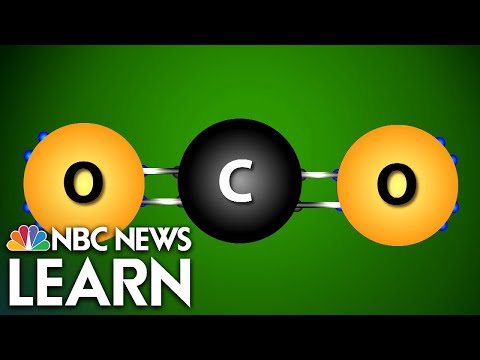
First off, let’s talk about the **molecular structure** of carbon dioxide. CO2 consists of one carbon atom and two oxygen atoms. Imagine it like a straight line where the carbon (C) sits in the middle, and there’s an oxygen (O) on each end. This arrangement creates what we call a linear molecule. Pretty simple, right?
Now, you might be wondering how these atoms bond together. They do this through covalent bonds, which is like a really strong handshake between atoms where they share electrons to stay together. In CO2, the carbon atom shares one pair of electrons with each oxygen atom. This forms **double bonds** with both oxygens, making sure everyone is happy and stable.
When you look at the structure more closely, you’ll notice that CO2 is really good at absorbing infrared radiation. This means it can capture heat from the Earth’s surface and literally help keep our planet warm enough for life—like that cozy blanket you use when it’s cold outside.
So why does this matter? Well, because CO2 plays such a big role in our environment! Too much carbon dioxide can lead to climate change since it’s one of those greenhouse gases that trap heat in the atmosphere. You know how when you leave your car windows closed on a sunny day it’ll get hot inside? That’s sort of what’s happening with our planet.
To give you a better idea of its environmental impact:
- Natural Sources: Carbon dioxide is released through respiration from animals and plants.
- Human Contributions: Activities like burning fossil fuels for energy generate large amounts of CO2.
- Ocean Absorption: The oceans absorb some CO2 but too much can lead to ocean acidification.
Now here’s something interesting; once upon a time in school during my science class, we did this experiment where we watched what happened when we poured vinegar over baking soda—boom! That fizzy reaction produced CO2 gas right before our eyes! It was like magic seeing bubbles form as the gas escaped into the air.
In conclusion (well not really an end per se), understanding the molecular structure of carbon dioxide may seem nerdy at first glance but knowing about it helps us appreciate its role in our ecosystem—and maybe even make better choices about how we treat our planet so future generations can enjoy it just as much as we do!
So there you have it: Carbon dioxide isn’t just some boring old molecule; it’s got a lot going on that affects all living things—and that’s pretty cool if you ask me!
Exploring the Structure and Properties of Carbon Dioxide: Insights into Its Role in Science
So, carbon dioxide—often written as CO₂, right? It’s a pretty fascinating molecule. Let’s break down its structure and properties and see why it’s such a big deal in environmental science.
First off, the structure of CO₂ is super simple yet unique. Carbon, the central atom, is bonded to two oxygen atoms. Picture this: it’s like the carbon is sitting between two friends at a table, stretching out its arms to hold hands with each of them. The bonds are what we call double bonds, which means that each oxygen has two pairs of electrons shared with that carbon. Pretty neat!
Now, you might ask: what does that mean for the molecule? Well, because of its linear shape (it looks like a straight line), CO₂ doesn’t have a positive or negative end—unlike water, which has polar properties due to its bent shape. This makes carbon dioxide nonpolar and affects how it interacts with other substances.
But let’s get into why CO₂ matters in environmental science. One major point is its role as a greenhouse gas. When sunlight hits Earth, it gets reflected back into space. Some of this energy is trapped by gases like carbon dioxide—they’re like a cozy blanket around our planet! This warming effect keeps our climate stable but too much CO₂ leads to problems we know too well: climate change.
Here are some key properties tied to CO₂:
- Solubility: Carbon dioxide dissolves in water, forming weak carbonic acid (H₂CO₃). If you’ve ever opened a soda can and seen bubbles fizzing up, that’s dissolved CO₂ being released!
- Density: It’s denser than air! This means that if you release some in a room full of air, it’ll settle toward the ground instead of floating away.
- Reactivity: While CO₂ doesn’t react wildly with other substances under normal conditions, it can engage in chemical reactions when under specific conditions—like when plants use it during photosynthesis to create sugar and oxygen.
Here’s a little story from my life: once on a hike in the mountains with friends, we stumbled upon these amazing trees growing near a stream. They were thriving and lush! You can’t help but think about how they’re sucking up all that good ol’ carbon dioxide from the atmosphere to fuel their growth—it feels like nature’s magic show at work.
So yeah—carbon dioxide plays an essential role not just for plant life but for maintaining Earth’s temperature and climate stability. With rising levels due to human activities like burning fossil fuels, understanding CO₂ becomes crucial if we want to tackle issues like global warming.
To wrap it up nicely: while carbon dioxide is often viewed negatively today because of those pesky pollution stats, it’s also essential for life on Earth! It truly shows how interconnected everything is in nature—pretty thought-provoking stuff if you think about it!
Exploring the Role of Hydrogen in Modern Science: Innovations and Discoveries
So, let’s chat about hydrogen and its super interesting role in modern science, especially when it comes to understanding carbon dioxide and our environment. Hydrogen is like that quiet kid in class who’s always there but doesn’t get enough credit. Seriously, though, it’s the most abundant element in the universe.
The Basics of Hydrogen
Let’s break it down a bit. Hydrogen is a simple atom, just one proton and one electron. It’s light and can easily bond with other elements—like oxygen—forming water (H2O). But it’s also crucial for life as we know it because it helps create compounds that are vital for energy production.
Now, hydrogen plays an important part in environmental science too. When we think of carbon dioxide (CO2), we often worry about its effects on climate change. Well, hydrogen can help us tackle that problem!
How Hydrogen Relates to CO2
Here are a few ways hydrogen is making waves:
- Hydrogen Fuel Cells: These devices convert hydrogen and oxygen into electricity, producing only water as a byproduct. So clean! They’re being used in cars and buses.
- Carbon Capture: Researchers are developing methods to utilize hydrogen to convert CO2 into useful products like fuels or raw materials for industrial processes.
- Sustainable Energy Storage: As renewable energy sources like wind and solar grow, storage becomes a challenge. Hydrogen can store surplus energy generated on sunny or windy days.
Think about the last time you were outside on an amazing sunny day, feeling all that warmth on your skin—it’s not just good vibes; it’s potential energy! That energy could be stored as hydrogen instead of going to waste.
The Molecular Structure of CO2
Speaking of carbon dioxide, let’s peek at its molecular structure for a second. CO2 consists of one carbon atom bonded with two oxygen atoms. It has this linear structure that makes it pretty stable—which is good for life but not so great when it comes to greenhouse gases.
When we produce too much CO2 from burning fossil fuels or deforestation, we trap heat in our atmosphere leading to global warming. This is where hydrogen can swoop in like a superhero! By using clean hydrogen technologies instead of fossil fuels, we can significantly cut down on CO2 emissions.
Now here’s an emotional nugget: I remember reading about a small village experimenting with hydrogen fuel cells mixed with solar power—they went from relying on oil generators to completely off-grid living! It was inspiring to see how a simple element could transform lives while helping the environment!
In summary, while hydrogen might seem like just another gas floating around, its potential really shines when you look at how it interacts with other elements—especially in tackling environmental issues related to carbon dioxide. So next time you think of climate science or green tech innovations, remember: hydrogen is quietly playing a central role!
Carbon dioxide—it’s that little molecule with a big reputation. You probably know it’s got something to do with climate change and air quality, right? Well, let’s break it down a bit, literally and figuratively.
So, carbon dioxide is made up of one carbon atom and two oxygen atoms. Simple enough! This trio forms a gas that you can’t see but can definitely feel when you’re out of breath. You know those moments when you’re running up the stairs or chasing your dog? That tightness in your chest is partly due to CO2 levels rising in your bloodstream after all that exertion. It’s like your body’s way of saying, “Hey! I need more oxygen here!”
Now, what gets interesting is its role in our environment. Plants, for instance, are totally dependent on CO2 for photosynthesis—the process where they take sunlight and turn it into food. Imagine all those green leaves soaking up sunlight while munching on CO2 like it’s their favorite snack. And then they give us oxygen in return! It’s this beautiful cycle of life that reminds me of my childhood days playing outside—running around under trees while breathing in fresh air.
But here’s the catch: too much carbon dioxide can throw a wrench in the works. It traps heat in our atmosphere like a warm blanket—so cozy at first glance, but way too thick when things get too hot. That’s what contributes to global warming and climate change. When I think about my own future—maybe one day raising kids—I can’t help but feel concerned about the world they’ll inherit if we don’t get this whole carbon thing under control.
Understanding CO2 is crucial for environmental science because it helps us see how interconnected everything really is—our actions affect not just ourselves but everything around us. Reducing emissions isn’t just some technical jargon; it’s about giving our planet a chance to breathe better too.
So next time you hear about carbon dioxide or read an article on environmental science, take a moment to appreciate its molecular structure and what it means for all living things. It’s more than just atoms; it’s part of the air we breathe and the world we live in. And honestly? That makes all those numbers and scientific terms feel a bit more personal, don’t you think?