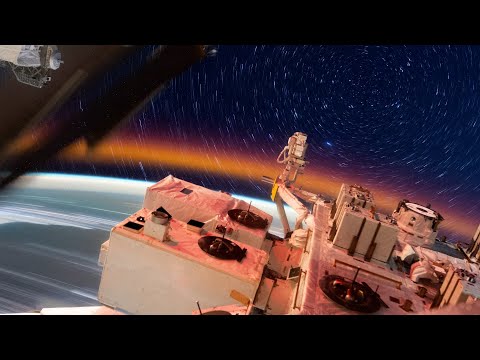
You know that feeling when you look up at the night sky and just start wondering? Like, what the heck is out there? I remember one night as a kid, lying on my back in the grass, staring up at millions of stars. I thought I saw a spaceship. Spoiler alert: it was probably just an airplane!
But seriously, space is mind-blowing. That’s where NASA comes in. These folks are all about exploring the universe and making things easier for us regular folks to get excited about science. They dive into stuff like black holes and galaxies while weaving those stories into something we can actually relate to.
It’s not just about sending rockets into orbit; it’s also about reaching out to people like you and me. So, why does that matter? Well, their mission goes beyond just science—it’s about sparking curiosity and fueling dreams! It’s like they want to unearth that childlike wonder in all of us. And who wouldn’t want that?
Exploring NASA Astrophysics: Its Impact on Scientific Outreach and Public Engagement (PDF)
NASA’s astrophysics programs are like a cosmic treasure trove, you know? They’re not just about studying space; they have a huge role in how science reaches everyday folks like you and me. Let’s break this down and see how NASA is making the universe feel a little closer to home.
First off, what is astropysics? Think of it as the study of everything beyond our planet—stars, galaxies, black holes. It’s the science that helps us understand how the universe works. And NASA? Well, they’ve been digging into these mysteries since way back when.
Now, here’s where it gets interesting. A big part of NASA’s mission involves outreach. They create programs and resources that help explain their findings to the public. Ever heard of the Hubble Space Telescope? Yeah, it’s a game-changer! Not only does it look deep into space, but its stunning images also serve as tools for education and inspire people around the globe.
- Educational Workshops: NASA hosts workshops for teachers to help them bring astrophysics into their classrooms. Imagine learning about black holes in school using actual data from Hubble!
- Public Events: From star parties to lectures by scientists, these events make astronomy accessible to everyone. Just think about standing under a starry sky with experts who can answer all your burning questions.
- Online Resources: Websites filled with videos, podcasts, and articles mean you can dive deeper anytime you want. Curious about exoplanets? There’s probably a podcast episode out there for you!
Have you ever watched one of those live streams when NASA launches a rocket? The excitement in the comments is electric! You can feel that connection with people from all over who share the same awe for space exploration.
Another cool thing is how NASA collaborates with different organizations. Sometimes they partner with museums to create interactive exhibits—it’s like stepping into another world! You know those models of spacecraft or displays showing simulated black holes? Yep, thanks to these partnerships!
But here’s what really hits home: it’s not just science for scientists anymore. It’s about letting everyone feel part of this grand adventure. You might remember that photo of Earth from space—seeing our planet hanging between stars gives us perspective on everything!
The impact on public engagement can’t be overstated either. When people learn about astrophysics through engaging stories or spectacular visuals, it sparks curiosity and imagination. And that motivation can lead someone to pursue a career in STEM fields!
And let’s talk social media for a minute because wow! Platforms like Twitter and Instagram have made it easier than ever for people to interact with ongoing research and discoveries live time! When there’s new data or photos released from missions, the buzz online creates an amazing community vibe.
In short, NASA’s work in astrophysics goes far beyond simply gathering data; it’s about sharing knowledge widely so we all feel connected to this vast cosmos we call home. Seriously! Isn’t it just incredible to think that all this amazing outreach helps form our understanding of not just science but also ourselves?
Astrophysics Salary Insights: Understanding Earnings in the Field of Science
“Understanding Astrophysicist Salaries at NASA: Insights into Careers in Space Science”
So, let’s talk about astrophysicists at NASA and their salaries. You might be wondering what it’s really like to work in the field of space science. Honestly, it’s a hot topic, and there’s a lot to unpack.
First off, NASA employs various scientists, but astrophysicists are a key part of the team that studies everything from black holes to cosmic microwave background radiation. Astrophysicists often hold advanced degrees—most have Ph.D.s—and they dive deep into research, analysis, and data interpretation.
Now, onto the money part! According to several salary surveys, an astrophysicist’s salary at NASA can range widely based on experience and education. Entry-level positions might start around $60,000 a year. But if you’re looking at mid-career professionals with some serious chops or specialties in hot topics like exoplanets or gravitational waves? Yeah, they can make upwards of $100,000 annually.
- Entry-Level Salaries: Typically between $60,000 and $80,000.
- Mid-Career Salaries: Often range from $80,000 to over $100,000.
- Senior Positions: Can exceed $120,000 depending on expertise and responsibilities.
The thing is—location matters too. Working in places like California or Texas where many NASA centers are located could affect these numbers significantly due to cost of living adjustments.
I remember chatting with a friend who dreamed of becoming an astrophysicist since childhood. He was fascinated by stars and galaxies but was also worried about job prospects and paychecks after all those years spent studying. It was a real concern! But hearing him explain how he wanted to contribute to our understanding of the universe made it clear that passion plays a role too.
Nobody goes into space science just for the cash (though it helps!). Many are driven by curiosity and the desire to unravel mysteries far beyond our planet. Plus, jobs in this field often come with impressive benefits—like health insurance—and opportunities for travel or collaboration on international projects.
Beyond just salaries though is the impact these scientists have through their work. Astrophysicists are key players in communicating complex ideas not just within scientific communities but also to the public. They often participate in outreach programs that connect children and adults alike with science—spark interest in future generations!
Working for NASA means you’re part of something bigger than yourself. You help decode how our universe works. That kind of job satisfaction is pretty priceless!
So if you’re thinking about diving into this career path—bring your curiosity along for the ride! And remember: while salaries can be enticing factors when choosing your career path—as my friend learned—it’s really about your passion for discovery that leads most folks into space science anyway!
You know, when I think about NASA and its work in astrophysics, it’s kind of mind-blowing. I mean, we’re talking about a bunch of brilliant minds peering into the depths of space to unravel all these cosmic mysteries. But what really gets me is how they go beyond just research. They’re like the cool kids of science outreach!
I remember the first time I gazed up at the night sky, laying on a blanket with my best friend, trying to figure out which star was which. That feeling of wonder? That’s what NASA taps into through its outreach programs. They take this complex stuff—like black holes and dark matter—and somehow make it relatable, almost like storytelling for the cosmos.
NASA has this knack for inspiring curiosity in people of all ages. They use social media, interactive websites, and even cool apps to get us involved. You might find yourself on your phone checking out a rover on Mars or watching a live stream of astronauts doing their thing on the International Space Station! It’s like being part of something bigger than ourselves.
But there’s more to it than just making science fun; it’s about inclusivity too! NASA promotes diverse voices in science by showcasing different perspectives—from women in STEM to scientists from underrepresented communities. It sends a message that anyone can look up at those stars and think: “Hey, I could do that.” It’s pretty powerful when you think about it.
And you know what? The interest isn’t just about admiring pretty pictures from Hubble or dreaming up space travel; it translates into real-world applications here back on Earth. All those advances in technology? They often have roots in astrophysics research! So every time you hear someone say “That’s just space stuff,” remind them it’s actually relevant to our everyday lives.
I guess in a way, NASA astrophysics is like that friend who gets you excited about things you didn’t even know you were curious about! With every mission or discovery they announce, they bring us along for the ride—a chance to feel that same wonder we had as kids while gazing up at the stars. And hey, isn’t that kind of magic exactly what we all need every once in a while?