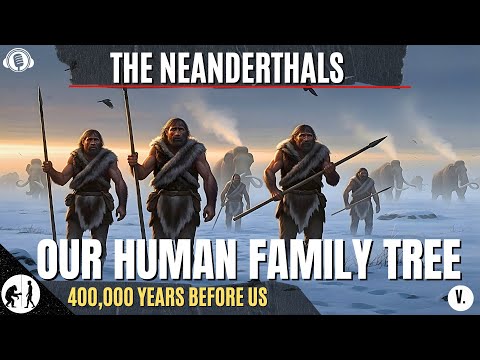
So, picture this: you’re hanging out with your friends, and suddenly someone drops the bomb that we’ve all got a bit of Neanderthal in us. Crazy, right? Like, who knew those ancient folks were still hanging around in our DNA?
Seriously though, it’s a wild thought. Our ancestors were doing their thing in the Stone Age while we were just figuring out how to walk. But here’s the kicker: that little bit of Neanderthal DNA can tell us heaps about where we came from.
It’s like having a family reunion with your long-lost relatives who lived 40,000 years ago. So grab a snack and let’s chat about this whole Neanderthal DNA deal—it might just blow your mind!
Exploring the Benefits of Neanderthal DNA: Implications for Modern Science and Human Genetics
The idea of Neanderthal DNA mingling with our own is like stepping into a sci-fi movie, but it’s real life! Neanderthals, our ancient relatives, roamed the Earth tens of thousands of years ago. When they went extinct, they left behind a part of themselves in modern humans. That’s pretty wild, right?
For many of us with European or Asian ancestry, about 1 to 2% of our DNA is actually inherited from Neanderthals. So what does this mean? Well, it opens up a ton of doors for science.
1. Understanding Human Evolution:
Studying Neanderthal DNA helps scientists piece together how we evolved. It’s like finding missing puzzle pieces that show us where we came from and how we adapted over time. For instance, some traits we have now may have been beneficial for survival back then.
2. Health Insights:
Believe it or not, that ancient DNA can also influence your health today! Certain genes inherited from Neanderthals are linked to various health conditions. For example, researchers found some genes associated with skin and hair color variations; those adaptations were useful for living in different climates.
3. Immune Response:
Neanderthal genes have been shown to affect our immune system too. Some research suggests that they might help us fend off certain diseases better than if we only had Homo sapiens’ DNA. It’s like having an extra layer of defense against infections!
4. Genetic Diversity:
You know how having different ingredients makes a recipe interesting? Well, genetic diversity works similarly! The more genetic variety there is within a population, the better equipped it is to handle environmental changes and diseases.
This whole mix-and-match process isn’t just a relic; it’s an ongoing story! There’s even evidence suggesting that the interbreeding between Neanderthals and modern humans might have helped us adapt to new environments as we migrated out of Africa.
To give you another angle—imagine you’re at family dinner and you discover an unexpected relative showed up! This new person brings stories and experiences that enrich your understanding of your family tree; studying Neanderthal DNA does something similar for our understanding of human ancestry.
But it’s not all rosy—there are still some complexities involved when looking at this ancient genome. The interactions between Neanderthal genes and modern human traits can be tricky to untangle!
So what do you think? Isn’t it incredible how much information about our past is hidden in our DNA? As science continues to advance, tapping into these ancient genetic treasures will only deepen our connection to our human story!
Exploring Neanderthal Ancestry: Which Human Populations Carry the Highest Percentage of Neanderthal DNA?
So, let’s talk about Neanderthal ancestry. You might have heard of these ancient cousins of ours. They roamed the Earth alongside early modern humans but went extinct around 40,000 years ago. Despite their disappearance, they’ve left a little something behind: DNA!
Neanderthals and modern humans share a pretty interesting history. When early humans migrated out of Africa and encountered Neanderthals in Europe and Asia, they, um, interbred. This mingling means that some people today still carry traces of Neanderthal DNA in their genomes.
So, who has the most Neanderthal DNA? Generally speaking, people of non-African descent have a higher percentage of Neanderthal ancestry compared to those from Africa. That’s because when our ancestors left Africa, they were the ones that got cozy with the Neanderthals.
If we break it down further:
- Europeans: On average, people with European ancestry tend to carry about 1-2% Neanderthal DNA.
- East Asians: They have a similar amount, though some studies suggest they could have slightly more than Europeans.
- Africans: Most sub-Saharan Africans have less or no Neanderthal DNA because their ancestors never migrated to the regions where Neanderthals lived.
It’s kind of cool to think about! One study even showed that certain groups within Europe and Asia might have more than others. For instance, individuals from Northern Europe often show slightly higher percentages than those from Southern Europe.
I remember reading an article where researchers found that people in certain regions like Western Siberia might carry around 3-4% Neanderthal DNA! Imagine being part earthling and part ancient cave dweller—that’s wild!
But here’s a twist: not all of that inherited DNA is just random leftovers from history. Some bits might play roles in our health today! Research suggests that certain traits influenced by this ancient genetic material could affect things like skin tone or even how your immune system works.
So why does this matter? Well, understanding who we are doesn’t just tell us about our past; it can also open doors for future medical research. You ever think about how cool it is that science can trace back through time to connect us with our ancient cousins? Pretty rad if you ask me!
In short, if you’re curious about whether you’ve got a bit of Neanderthal in you—just look at your background! Those with European or Asian roots might be carrying around tiny pieces of these fascinating figures from human history without even realizing it.
Exploring the Link Between Neanderthal DNA and ADHD Susceptibility: Insights from Genetic Research
Neanderthals, our distant cousins, roamed the Earth until about 40,000 years ago. What’s wild is that some of their DNA still lingers in modern humans. It’s like a little genetic whisper from the past. And now researchers are uncovering links between this ancient DNA and various conditions, including ADHD.
So here’s the thing: ADHD, or Attention-Deficit/Hyperactivity Disorder, affects millions of people worldwide. It can make it tough to focus or control impulses. Scientists have been digging into genetics to see if there’s a connection between this and Neanderthal DNA.
Recent studies suggest that certain variants of genes linked to ADHD may have originated from Neanderthals. This is important because it shows that our biology has been shaped not only by our direct ancestors but also by these ancient figures. It’s like finding out that your great-great-grandparents had a hidden influence on who you are today.
Here are some key points about the research:
Genetic Variants: Some specific sequences inherited from Neanderthals correlate with traits related to ADHD. Think of these sequences as blueprints; they might affect how our brains develop and function.
Risk Factors: The presence of Neanderthal DNA might heighten susceptibility to developing ADHD symptoms in certain individuals. This means some people may be more affected than others based on their genetic makeup.
Brain Development: Traits associated with impulsivity and focus can be traced back to these ancient genes. Researchers believe they could play a role in how our brains evolve and adapt over time.
Now, you might be asking: why does any of this matter? Well, knowing how our past shapes us can help in understanding conditions like ADHD better! For instance, if we learn more about how Neanderthal traits affect behavior today, we could improve diagnostic methods or treatment options.
It’s like piecing together a giant puzzle — one where each piece helps clarify who we are as humans today. Imagine finding out that sometimes “doing things differently” might just be part of your lineage!
Overall, while the research is still unfolding, it’s clear that those ancient connections carry echoes into our lives now. So when you hear about someone with ADHD, maybe think about those long-gone Neanderthals and how their genetic legacy might still resonate in us today!
Neanderthal DNA, wow, what a topic! It’s kinda like connecting the dots in this big family tree we all share. You know, when you think about it—each of us carries a bit of heritage from our ancestors. But with Neanderthals, it’s like getting a bonus layer of history that most people don’t even realize is there.
So here’s the thing: Neanderthals walked the Earth around 400,000 years ago. Crazy to think these folks were once our neighbors! They had this rugged look and were adapted to harsh environments. But what’s really mind-blowing? We’ve discovered that modern humans have some Neanderthal DNA lurking in our genes. It was that moment when scientists first sequenced the Neanderthal genome that it felt like someone opened a time capsule. Imagine being able to trace back to relatives who lived thousands of years ago!
I remember reading about how researchers found out that about 1-2% of the DNA in non-African people today comes from Neanderthals. It gave me goosebumps—like I’m part Neanderthal! There’s just something cool about knowing these ancient beings are connected to us in this way.
But it’s not just about playing detective with our ancestry; it’s also shedding light on how we survived and adapted over millennia. Some studies suggest that certain genes inherited from Neanderthals might even help our immune systems fight off diseases or adapt to climate changes better. So, those ancient traits are still working their magic on us today!
Yet, there are still mysteries floating around like leaves on a breeze. What was their culture like? Did they have art or music? How did they live alongside early humans? When you start digging into all this stuff, it feels like an epic story yet to be fully told.
Every new piece of research feels like adding another puzzle piece into an oh-so-complicated picture and reminds us how interconnected we all are—humans past and present. Who knows what other surprises await as we continue exploring our lineage? Honestly, it’s thrilling to be part of such an ongoing story!