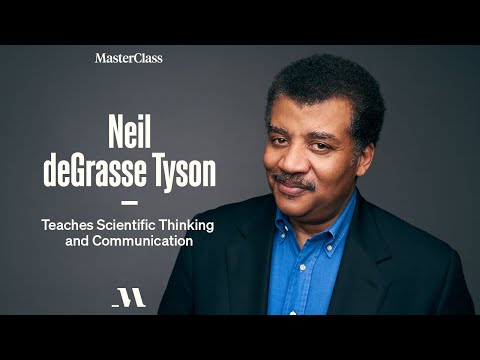
You know that feeling when you’re staring at the night sky, and you just have to ask, “What’s up there?” That curiosity is what gets so many of us thinking about the universe.
And then there’s Neil deGrasse Tyson. Seriously, this guy can make even your grandma interested in black holes.
I mean, think about it. He’s not just a physicist; he’s like the cosmic cheerleader for science! With him around, learning about the stars and space doesn’t feel like a chore—it feels like an adventure.
It’s like he takes all those complicated ideas and turns them into stories you want to hear over dinner. How cool is that? So let’s chat about this brilliant dude and why his way of explaining science sticks with us.
Exploring Neil deGrasse Tyson’s Role as a Science Communicator: Impact on Public Understanding of Science
Neil deGrasse Tyson, you probably know him as that super enthusiastic astrophysicist who makes science sound so cool and relatable. His role as a science communicator is pretty unique, and it has had a big impact on how folks see science today.
First off, Tyson has this amazing ability to break down complex topics. Like, when he talks about black holes or the Big Bang, he somehow makes it feel like you’re just having a casual chat with a friend. It’s not all jargon and equations. He translates these heavy ideas into something you can actually grasp without needing a PhD.
Take his work in television and podcasts. Shows like “Cosmos” and his podcast “StarTalk” have reached millions of people. They dive into everything from astrophysics to the philosophy of science. You can feel his passion for space, but more importantly, you see how he invites everyone to explore these ideas together. It’s less “look at me” and more “let’s figure this out.”
Another cool thing is how Tyson tackles misconceptions about science. Remember that time when people were all worried about the Mayan calendar predicting the end of the world? He stepped in, calmly debunking those fears with solid reasoning and charm. This kind of engagement helps people think critically rather than just accept what they hear.
His social media presence also plays a huge role. He shares bite-sized facts and cosmic wonders that get people talking—sometimes sparking debates or interest in scientific literacy. When was the last time someone tweeted about gravitational waves or light pollution? Tyson does it all the time! This encourages younger generations to ask questions and seek knowledge.
But it’s not just about making science accessible; it’s also about inspiring curiosity. Tyson often shares personal stories from his life, like how he got interested in astronomy as a kid—going to planetariums with friends. Those anecdotes remind us that curiosity is universal. You can almost hear him saying, “If I figured it out, so can you!”
Really, when we talk about Tyson’s impact on public understanding of science, we see an emphasis on community engagement too. He often discusses underrepresented voices in STEM fields, pushing for diversity in scientific roles because everyone’s perspective matters. By doing this, he opens doors for new ideas and creativity in scientific inquiry.
In summary, Neil deGrasse Tyson isn’t just explaining science; he’s changing the way we think about it. His style fosters appreciation for knowledge while motivating countless individuals to embrace their inner scientist—whether they’re kids dreaming under the stars or adults rekindling their wonder for the universe.
So next time you catch one of his talks or read one of his tweets, remember: it’s not only cool facts; it’s about igniting passion for learning!
Exploring the Allegations Against Neil deGrasse Tyson: A Scientific Perspective
Neil deGrasse Tyson is a well-known astrophysicist and science communicator. His way of explaining complex topics is kind of like sitting down with a friend who knows a ton about the universe. But, recently, he faced some serious allegations that raised eyebrows. Let’s break this down from a scientific perspective, keeping things straightforward.
First off, the allegations against Tyson are mostly related to accusations of sexual misconduct by several women. These claims surfaced online and have led to discussions about accountability in the scientific community. It’s crucial to remember that these are allegations, meaning they haven’t been proven in a court of law, but they still impact how we view figures in science.
When we talk about figures like Tyson, we often focus on their contributions to science communication. He has this amazing ability to make space and science relatable. But you can’t ignore personal conduct. Scientists are not just brains; they’re also human beings with flaws and responsibilities.
You might be thinking, “But why does this matter?” Well, consider how scientists inspire young minds. When someone like Tyson stands accused of wrongdoing, it can shake trust within the community.
If our role models don’t act ethically, it creates a ripple effect that can discourage others from pursuing science or trusting scientific voices.
It’s kind of like when you hear scandalous stuff about your favorite teacher or coach—it changes how you feel about them and what they’ve taught you! Science relies on integrity, both in research and personal behavior. Scientists have an important job: to guide us through evidence-based understanding of our world.
Now let’s get into something interesting: how accusations can overshadow science itself. Often, public discussion gets super heated without focusing on what actually matters—science and education! It’s vital for people to separate the scientist’s work from their personal life when evaluating their contributions objectively.
Of course, all this raises questions regarding how institutions respond as well. It’s essential for universities and organizations involved in scientific research to have clear policies on misconduct. Holding individuals accountable should be balanced with due process—that way all sides are heard before any conclusions are drawn.
In conclusion—if we can call it that—the situation around Neil deGrasse Tyson shows us just how complex the intersection of science communication and personal ethics can be. It reminds us that even those who illuminate our understanding of the universe need to maintain integrity off-screen too! Science is all about truth; let’s hope everyone involved can navigate these waters responsibly while focusing on what really drives curiosity and knowledge forward!
Exploring Neil deGrasse Tyson’s Most Iconic Quote: Insights into Science and Humanity
Neil deGrasse Tyson is one of those figures that just lights up the room when he talks about science. Seriously, he’s like a science cheerleader but with a whole lot more brainpower. One of his *most iconic quotes* goes something like this: “The good thing about science is that it’s true, whether or not you believe in it.” This statement packs a punch. Let’s unpack it a bit.
Science Is Objective
So, what Tyson’s getting at here is that science doesn’t care about our personal beliefs. It’s not swayed by emotions or opinions. Instead, it thrives on evidence and truth. Imagine trying to convince someone that gravity doesn’t exist just because they don’t believe in it. You can jump all you want; gravity is still gonna pull you back down!
The Importance of Evidence
Tyson highlights the value of evidence in shaping our understanding of the universe. Just like when you’re assembling furniture from IKEA—if you follow the instructions and use the right pieces, you end up with a solid bookshelf instead of an awkward pile of wood on the floor! Science works much the same way; it builds knowledge brick by brick through observations, experiments, and data.
Bridging Gaps Between Science and Humanity
But here’s where it gets really interesting: Tyson emphasizes how science connects us. When we understand scientific principles, we can make informed decisions about everything from health to technology to social issues. It also fosters unity among people everywhere because science speaks a universal language.
- The pandemic: Remember how COVID-19 turned our lives upside down? The global response was heavily rooted in scientific research and understanding.
- Climate change: As debates rage on, those who lean into scientific finding are pushing for positive changes.
- Mars exploration: The curiosity about life beyond Earth drives international collaboration among scientists.
Anecdote Time!
Let me tell you a quick story. A few years ago, I attended a seminar where Tyson spoke about black holes—just mind-blowing stuff! He explained how these cosmic phenomena aren’t just voids but are vital for understanding our universe’s fate. Afterward, I overheard two folks arguing about whether black holes even exist! But then one said something like, “Well, Neil said they do,” and suddenly the argument kind of fizzled out. That moment perfectly illustrates Tyson’s point—a well-communicated truth can bridge gaps in understanding!
The Role of Communication
Tyson’s ability to communicate complex ideas simply helps demystify science for everyone, not just scientists. It allows people from all walks of life to engage with important topics actively! Science isn’t snooty or exclusive; it’s meant to be shared.
In wrapping this up (not that I’m aiming for closure here!), Tyson reminds us that science provides clarity—especially in our complicated world filled with shifting opinions and misinformation. So next time someone throws an opinion at you dressed as fact, remember: It doesn’t matter what they believe—science stays true regardless!
You know, Neil deGrasse Tyson is one of those people who just lights up a room, right? When he talks about science, it feels like you’re not just hearing facts but stepping into a whole new universe. No joke, I remember the first time I saw him on TV. He was explaining black holes, and honestly, it felt like he was telling a bedtime story about the cosmos instead of diving into some heavy astrophysics. It clicked for me then—science doesn’t have to be all dry equations and jargon; it can be exciting!
His ability to make complex topics relatable is kind of magical. He has this knack for breaking down big ideas into bite-sized pieces that anyone can chew on. I mean, he doesn’t just throw around terms like “quantum mechanics” without explaining what they mean. Instead, he brings in everyday examples or humor that makes you go, “Oh wow! I get it now!” You see? That’s the beauty of scientific communication—it opens doors for people who might shy away from science because they think it’s too complicated.
Thinking back to times when I struggled with math and science in school still stings a bit. Imagine sitting there feeling lost while others seem to grasp things in an instant; it’s tough! But when you have someone like Neil out there making science feel less intimidating, it’s powerful. It gives hope that anyone can connect with these subjects—even if they didn’t ace their last physics test.
And let’s not forget his passion! When he speaks about space exploration or the mysteries of the universe, you feel this pulse of excitement radiating from him. That enthusiasm is contagious! It reminds us that science isn’t just for scientists; it’s for everyone who dares to wonder and ask questions about life and beyond.
In today’s world where misinformation can run rampant, scientists who can communicate effectively are more important than ever. They can bridge gaps between knowledge and curiosity, bringing people together through awe rather than fear. Neil’s work inspires many to take an interest in what’s out there—whether it’s the stars above or the climate changes we face here on Earth.
So yeah, at the end of the day, Tyson shows us that scientific communication holds power—it connects us all in our shared quest for understanding our world better. That journey doesn’t have to be daunting; it can be an adventure filled with curiosity and maybe even a little laughter along the way!