You know that feeling when you get a brain freeze? It’s like your head’s in an icebox for a second, right? That happens because your neurons are having a party, and they’re all like, “Whoa! What just hit us?”
Neurons—those tiny messengers in your brain—are seriously cool. They’re responsible for everything from moving your toes to solving the world’s riddles.
Ever wondered how they work? Like, what on earth makes them tick? We’re about to dig into that! Think of it as peeling back the layers on a complex onion. Or maybe more like unwrapping a really intriguing gift.
So buckle up! We’re going to uncover some wild stuff about neuron anatomy and physiology. It’s gonna be fun!
Exploring Neuron Anatomy and Physiology: A Comprehensive Science Worksheet
Alright, let’s talk about neurons. These little guys are the stars of our nervous system, and seriously, they have some pretty cool anatomy and physiology going on. If you’re looking to get a solid grip on what neurons are all about, you’re in for a treat!
What is a neuron?
You could think of neurons as the messengers of our brain and body. They transmit signals everywhere! Basically, each neuron communicates with other neurons, muscles, or glands to relay information.
Neuron structure:
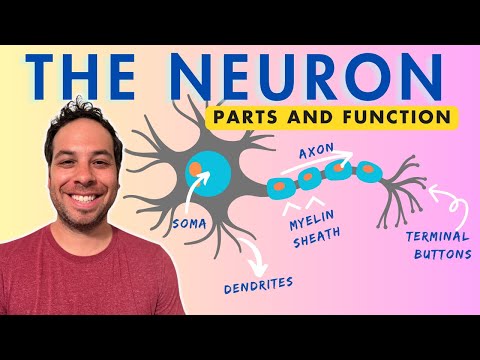
Neurons have three main parts that are crucial for their function:
Now, let’s not forget about myelin. This is a fatty substance that wraps around some axons like insulation around wires. It helps signals travel faster—kind of like speeding up an internet connection!
Action Potentials:
When it comes to how these guys work, action potentials are key. Basically, an action potential is an electrical signal that travels down the axon when a neuron gets super excited (not in an emotional way but in a chemical one). When neurons get enough input stimulation from their dendrites, they hit what’s called a threshold, which triggers this rapid electrical change.
Here’s how it goes down:
1. **Resting Potential:** The neuron starts out at rest—a bit negative inside compared to outside.
2. **Depolarization:** If stimulation reaches that threshold, sodium channels open up, allowing sodium ions to rush into the cell! This makes it positively charged.
3. **Repolarization:** After peaking, potassium channels open up allowing potassium ions to flow out and restore negative charge inside.
4. **Hyperpolarization:** Sometimes it goes too far negative before leveling back out.
And just like that—bam! You have an action potential zipping along!
The Synapse:
At the end of each axon is something called a synapse – that’s where one neuron’s signal gets passed to another cell (neuron or otherwise). It’s kind of like passing notes in class except with chemicals called neurotransmitters! When an action potential reaches the end of an axon, it causes these neurotransmitters to be released into the synaptic cleft (the gap between two cells).
Then they bind to receptors on nearby cells and either excite them or calm them down—talk about connection!
Caring for Neurons:
These fascinating structures need care too! Things like getting enough sleep can help keep your neurons healthy and functioning well because rest helps with repair processes.
If you ever find yourself feeling sluggish mentally after too many late nights binge-watching shows, now you know why! Neurons need their beauty sleep just like we do.
So yeah, that’s basically what’s going on under your skull with your amazing neurons—that intricate dance between sending signals and communicating all day long keeps everything running smoothly in your body! And isn’t it wild just thinking about how something so tiny plays such a massive role?
Exploring the Three Types of Neurons: Functions and Roles in the Nervous System
Sure! Let’s talk about neurons, those fascinating little guys that keep our nervous system running. Imagine them as the communication network of your body, sending and receiving messages faster than you can say “brain freeze!”
There are three main types of neurons: sensory neurons, motor neurons, and interneurons. Each has its own special role, and it’s kind of like a team sport where everyone plays a different position but works together.
Sensory Neurons: These are the ones that bring information from your senses to your brain. Like, when you touch something hot, sensory neurons in your skin send signals that travel all the way to your brain. They help you react quickly—like pulling your hand back before it becomes a crispy marshmallow! Sensory neurons deal with sight, sound, smell, taste, and touch. They’re basically the messengers from the world around you.
Motor Neurons: Now these are like the action heroes of the neuron world. Their job is to carry signals away from the brain and spinal cord to muscles throughout your body. You know when you decide to kick a soccer ball? That’s motor neurons in action! They translate nerve impulses into movement. Without them, yeah… good luck doing anything physical!
Interneurons: These little champs are sort of like the middlemen in our neural network. They connect sensory and motor neurons within the brain and spinal cord. So when you see something interesting and decide to move toward it? Interneurons play a huge part by processing that info and coordinating how your body responds. They’re crucial for reflexes too—ever touched something sharp? Interneurons help make sure you react before you’re fully aware!
In summary:
- Sensory neurons: Bring information TO the brain.
- Motor neurons: Carry signals FROM the brain to muscle.
- Interneurons: Connect sensory & motor neurons within the brain/spinal cord.
So there you have it! Your nervous system is like an orchestra where each type of neuron plays its part to create a beautiful symphony of movement and sensation. It’s amazing how everything works together without us even thinking about it! If anything goes wrong with these cells? Well, let me tell ya—things can get pretty messy pretty quick, but we’ll save that for another chat!
Key Functions of Neurons: Essential Points in Neuroscience
Neurons are the stars of the show in our nervous system. They’re like tiny messengers, zipping signals around so that our bodies can communicate and function properly. You might have seen diagrams of neurons in textbooks, but let’s break it down and really appreciate what these amazing cells do.
First off, there are three main parts to a neuron: the **cell body**, **dendrites**, and **axon**. The cell body is where all the action happens—like the control center. Dendrites are like little branches that receive messages from other neurons. And then there’s the axon, which sends those messages out to other neurons or muscles.
Next up is how these signals actually travel. Neurons communicate mainly through electrical impulses called action potentials. When a neuron gets excited enough, it generates an action potential that travels down its axon—kind of like a wave on a beach! This impulse can move super fast thanks to something important called myelin, which is like insulation for electrical wires.
Once that signal reaches its destination, it has to cross a tiny gap between neurons called a symphapse. This is where neurotransmitters come into play—these little chemical messengers get released and pass the signal along to the next neuron. It’s sort of like handing off a baton in a relay race!
Now, let’s hit some key functions of neurons:
- Signal Transmission: They send and receive signals to communicate with other cells.
- Integration: Neurons process information by summing up all incoming signals to decide if they should fire their own action potential.
- Plasticity: Neurons can change their connections based on experience—this helps us learn new things!
- Homeostasis Regulation: Some neurons help maintain balance within our body systems. For instance, they regulate heart rate and digestion.
- Sensory Input: Specialized sensory neurons detect stimuli from the environment, like light or sound.
One time when I was learning about this stuff in college, I remember getting totally overwhelmed by how intricate everything was. I mean, just think about how many neurons you have! About 86 billion! Each one plays this unique role in keeping us alive and functioning every single moment. Pretty wild!
And what’s even cooler? Neurons don’t work alone; they form networks known as neural circuits that allow for complex processing of information—think about how your brain makes decisions or controls movements! So every time you make a choice or recall a memory, it’s these little guys working together behind the scenes.
So basically, understanding neurons gives you insights into not just your brain but also your entire body’s coordination system. As science keeps peeling back layers on how they function and interact, we just keep discovering more wonders about what makes us tick!
You know, when you really start peeling back the layers of what makes our brains tick, it’s almost like revealing a secret world. Neurons, those little guys, are the stars of this show. They’re not just any cells; they’re our body’s communication superstars. I remember this one time in my biology class, we were looking at a diagram of a neuron, and I couldn’t help but feel amazed by how complex yet elegant they are. Like, each part has its role—like a tiny orchestra playing in perfect harmony.
When we talk about neuron anatomy, we’re diving into some cool stuff. At the core, there’s the cell body or soma which kind of houses everything. It’s like the control center of operations. Then you have dendrites that branch out like little trees soaking up information from other neurons. Seriously! They gather signals and send them clambering down to the next stage.
And then there’s the axon—oh man! This long tail is where things get exciting. The axon transmits electrical impulses away from the cell body to other neurons or muscles. It’s basically like sending a text message at lightning speed! What I find even cooler is that many axons are wrapped in this insulating layer called myelin sheath. Think of it as a cozy blanket keeping those messages warm and fast.
So now we get to physiology—how these neurons work their magic in real-time! Each time you think about picking up your coffee cup or telling a joke, neurons spark to life firing off electrical impulses that race between each other across synapses (those tiny gaps between them). Isn’t it wild? You can almost picture it: billions of signals bouncing around all day long just so you can have that perfect latte moment.
But here’s where it gets super emotional for me: every time you learn something new or feel an intense emotion—those paths in your brain light up and form new connections. And those connections can change over time based on your experiences! It’s like our brains are shaped by our journeys through life, right? It’s mind-boggling to think that understanding these tiny cells can help us unravel mysteries behind memories or even mental health issues.
So yeah, embracing neuron anatomy and physiology is more than just textbook stuff—it connects us deeply to what makes us human. It kind of fills you with awe when you realize how every thought and feeling comes down to these little electrical dances happening inside our skulls! Isn’t science just so magical?