You know what’s wild? I once thought oceanography was just about studying really big fish. Like, who cares about water, right? But then I found out it’s so much more!
Picture this: oceans cover more than 70% of our planet. That’s a whole lot of blue! And guess what? They’re hiding some astonishing secrets beneath those waves. Seriously, the stuff happening down there is like an underwater soap opera.
So, if you’re into mind-blowing discoveries and epic sea tales, buckle up! Let’s swim through some engaging examples of how oceanography is making waves in scientific outreach. You might just dive into a whole new world!
Exploring Oceanography: Key Scientific Disciplines and Their Contributions to Ocean Research
Exploring the vastness of our oceans is like uncovering a whole new world. Oceanography, well, it’s the science dedicated to studying this watery realm. There’s so much going on beneath those waves, and scientists across various disciplines dive into understanding its depths. Let’s break down some key scientific areas within oceanography and how they contribute to our knowledge of the oceans.
Physical Oceanography examines the ocean’s physical properties and dynamics. Think currents, waves, temperature changes, and salinity variations. For example, look at how ocean currents affect climate patterns or even weather systems. They transport heat around the planet; without them, things would be pretty chaotic! Imagine being on a boat during a storm—those strong currents and waves are not just there for show.
Then we have Chemical Oceanography, which focuses on the chemical composition of seawater and its interactions with marine life. Did you know that carbon dioxide from our atmosphere dissolves in ocean water? This can lead to ocean acidification, impacting corals and shellfish. Picture coral reefs: they’re like underwater cities bustling with life! But as acidity rises due to climate change, these structures can weaken or even dissolve over time—kind of heartbreaking if you think about it.
Next up is Biological Oceanography. This branch studies life in the oceans—from the tiniest plankton to massive whales. It’s about understanding ecosystems and biodiversity. For instance, marine biologists often study how organisms interact within food webs or how ecosystems respond to environmental changes. Imagine being a scientist tracking whale migrations; it’s not only thrilling but also crucial for conservation efforts!
We can’t forget about Geological Oceanography. This field investigates the seafloor’s geology and features like underwater volcanoes or mountains—the stuff we might not see from a beach view! Not long ago, researchers discovered massive undersea vents that support unique ecosystems thriving in extreme conditions! Some animals around those vents rely on chemosynthesis instead of photosynthesis—like their own version of a dinner party under pressure!
Lastly, there’s Oceanographic Technology, where all those cool tools come into play—submersibles, buoys, satellites—you name it! These technologies help us gather data on everything from water temperature to sea level rise. Ever heard of Argo floats? They’re like little spies for scientists; they drift through ocean waters collecting vital information about currents and temperatures across vast stretches of sea!
With all this knowledge being generated from various branches of oceanography, outreach becomes key too! Sharing information through engaging platforms can turn dry data into fascinating stories about our planet’s health. Initiatives might include educational programs highlighting marine conservation or interactive exhibits showcasing aquatic research findings.
So when you think about oceanography next time you’re at the beach or watching waves crash against rocks—remember there’s an entire community dedicated to uncovering its secrets! Each discipline plays its part in revealing how interconnected we are with these blue expanses and why protecting them matters so much.
The oceans aren’t just big bodies of water—they’re vital lifelines for every living thing on Earth! So let’s enjoy them responsibly as we continue exploring their wonders together.
Exploring Two Cutting-Edge Research Areas in Oceanography: Advances in Marine Ecosystems and Climate Change Effects
Alright, let’s talk about two really cool areas in oceanography that are making waves—literally! These are advances in marine ecosystems and the effects of climate change. Both of these topics are super important for understanding our oceans and their health. So, grab your imaginary scuba gear, and let’s dive in!
First up, advances in marine ecosystems. You know, the ocean is like this giant web of life. It’s home to everything from tiny plankton to massive blue whales. Scientists have been doing some amazing work to understand how these ecosystems function. They’re using technology like underwater drones or even AI to monitor fish populations and coral reefs. So, instead of just guessing what’s going on down there, researchers can track changes over time.
For example, scientists have found that certain species of fish are migrating toward cooler waters as temperatures rise. This shift might affect local fishing industries and ecosystems as species interact with new neighbors. It’s kind of like moving into a new neighborhood—some folks get along great, while others not so much!
Now let’s switch gears to the effects of climate change. And wow, this is a biggie! Basically, climate change makes the oceans warmer and more acidic due to increased CO2 levels. You might not think that sounds super scary at first, but it has some serious implications.
- Coral bleaching: When water gets too warm or too acidic, coral reefs—those colorful underwater cities—are at risk. They can expel the algae that give them life and color.
- Shifts in food chains: Warmer waters can lead to changes in which species thrive or struggle. That affects everything from plankton (the base of the food chain) to larger predators.
- Saltwater intrusion: Rising sea levels push salty water into freshwater habitats. This can harm plants and animals that rely on fresh water for survival.
You see? The impacts splash across every level of marine life! Just last summer—I remember hearing about a biologist studying a particular fish species near the Great Barrier Reef who noticed fewer young fish due to these changing conditions. It was heartbreaking because those little fish would be vital for future generations.
The thing is, both advances in understanding marine ecosystems and monitoring climate change effects help us make better decisions about protecting our oceans. By staying informed about these topics through outreach programs or citizen science projects (you know those activities where everyday people help scientists gather data?), we all play a part in supporting ocean health.
This isn’t just academic stuff—it’s real-life implications for our planet! So whether you’re an aspiring marine biologist or just someone who loves beach days, you’ve got a stake here! Let’s keep exploring together because every little bit helps share the wonders—and challenges—of our oceans!
Exploring the Impact of Oceanography on Human Society and Scientific Progress
Exploring oceanography is like opening a gigantic book filled with the stories of our planet. The oceans cover over 70% of the Earth’s surface and they impact everything from our weather to our food supply. So, let’s break down how oceanography influences human society and why it matters for science.
Oceanography is basically the study of oceans, their currents, marine life, and chemistry. It’s a branch that connects many scientific fields like biology, geology, and meteorology. Each part of oceanography sheds light on how oceans function and interact with the rest of the planet.
Climate Change is one major area where oceanography plays a critical role. The oceans act like a sponge absorbing heat from the atmosphere. This helps regulate global temperatures but also causes issues. For example, rising sea temperatures lead to coral bleaching which devastates underwater ecosystems.
Then there’s marine biodiversity. Studying various marine species gives insights into their roles in the ecosystem and why they’re essential for life on land too! Healthy oceans mean healthy fish stocks which are crucial for many communities’ diets and economies.
Scientific Progress
When scientists explore ocean currents or tidal patterns, they’re not just ticking boxes; they’re discovering valuable information that helps predict weather patterns or natural disasters like tsunamis or hurricanes. Here’s why this matters for society:
To give you an example: My friend once went on a marine research expedition in the Arctic. She came back with tales about how melting ice caps affect polar bears’ migration routes. It was mind-blowing! The damage we see today could alter entire ecosystems tomorrow.
Let’s not forget about community engagement either! Organizations often hold beach clean-ups or workshops educating people about marine conservation based on findings from oceanographic studies. These initiatives inspire action at grassroots levels which can lead to significant change.
So yeah, the impact of oceanography goes way beyond scientists in lab coats — it touches all sorts of aspects in our lives! By understanding our oceans better, we’re not just learning about water; we’re learning about ourselves and our responsibility toward this incredible blue planet we call home.
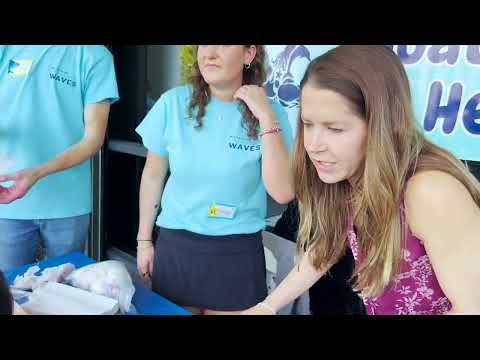
Oceanography is one of those fields that grabs your attention, right? I mean, just think about it: the vast waves, mysterious creatures lurking in the depths, and ecosystems thriving beneath the surface. It’s like an alien planet right here on Earth! This makes it super appealing for outreach efforts, and there are some really cool ways that folks have engaged the public with ocean science.
So once I was at this beach cleanup event, and we found a baby sea turtle caught in some plastic. The look on everyone’s faces when we rescued it was priceless—pure joy mixed with a bit of panic. That moment brought home the importance of ocean conservation in a way that lectures just can’t replicate. Outreach can be about action, not just words.
One engaging example of oceanography outreach is using social media to share real-time data from ocean buoys. Imagine scrolling through your feed and seeing updates about sea temperatures or even shark movements! It’s like following a live sports game… but for our oceans! This type of interactive experience helps people feel connected to the science happening out there.
And then there are those awesome underwater robotics programs. School kids getting to control remotely-operated vehicles (ROVs) to explore shipwrecks or coral reefs? That sparks curiosity better than any textbook could! You can almost hear them gasping as they see vibrant fish swimming around corals while learning about marine biology and geology all at once.
Also, educational programs that incorporate art into ocean science can totally change the game. Collaborating with local artists to create murals depicting marine life or organizing beach art installations can really get communities involved in discussions about their oceanscape. It’s kind of magical how colors and creativity breathe life into sometimes dry scientific concepts!
Of course, documentaries remain a powerful tool too! Just think about shows like “Blue Planet.” They don’t just inform; they emotionally connect us to what’s happening beneath the waves. When you see a pod of dolphins playing or witness the beauty of bioluminescence, it’s hard not to be influenced by those images—like you’re drawn into their world!
The thing is, engaging examples in oceanography outreach aren’t just ways to share information; they’re connections—personal moments that touch hearts and inspire action. And when people feel something, they’re more likely to care and engage actively in preserving these incredible ecosystems we have. It’s all about making that link between science and emotion because that’s where real change happens. So next time you’re near the coast or even just watching a documentary at home, take a moment to appreciate how deeply interwoven our lives are with our oceans!