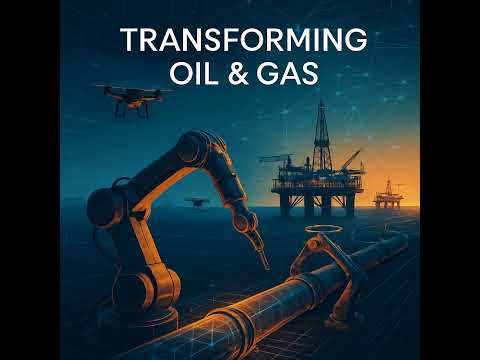
You know what’s funny? Whenever I mention oil and gas, people often picture smoky factories or giant rigs, right? But, hold on! It’s not all doom and gloom.
Seriously, there’s a whole lot of brainpower going into making this industry more eco-friendly. Think about it: we need energy to power our lives, but we also want to protect our planet.
So, how do we strike that balance? That’s where innovation comes in. Engineers are whipping up clever solutions that blend old-school techniques with fresh ideas. From cleaner extraction methods to renewable alternatives, the landscape is changing fast.
Even though the oil and gas world has had its fair share of challenges, the future looks kinda bright—if you know where to look. Let’s chat about some of these cool innovations that just might lead us toward a more sustainable future!
Advancing Sustainability in the Oil and Gas Industry: Scientific Innovations and Strategies for a Greener Future
Advancing sustainability in the oil and gas industry is a topic that keeps coming up, right? With all the climate talks and the push for greener energy, it’s crucial to understand what’s happening in this field. It may surprise you, but there are actually some pretty cool scientific innovations and strategies making waves.
First off, let’s chat about carbon capture and storage (CCS). This tech is designed to trap carbon dioxide emissions produced from industrial processes. Imagine capturing all that CO2 before it even gets into the atmosphere! It’s like catching a snowball before it hits the ground; you’re keeping it from causing chaos later. The captured CO2 can then be stored underground in geological formations or used in various applications.
Another game-changer is biodegradable drilling fluids. Traditional drilling fluids can be harmful to marine life and ecosystems when spills happen. So, researchers are developing alternatives made from natural materials—think of things like corn starch or vegetable oils—that break down easily without harming the environment. A friend of mine who works in an oil field once told me about a spill incident where they had to clean up a toxic mess. If these new fluids were used back then, we could’ve avoided a lot of headaches.
Now, let’s not forget about renewable energy integration. Many companies are now looking at how they can incorporate solar or wind energy into their operations. For instance, using solar panels on drilling rigs is becoming more common. Instead of solely relying on fossil fuels for energy during extraction processes, they harness the sun’s power instead—pretty neat, huh? It not only lowers emissions but also cuts down costs over time.
What about enhanced oil recovery (EOR)? This technique involves injecting substances like water, gas, or even chemicals back into oil reservoirs to extract more crude oil while minimizing environmental impact. Surprisingly enough, things like oxygen or carbon dioxide can help push out extra oil without needing to dig deeper into untouched land.
And here comes something really interesting: digital technologies. The use of data analytics and artificial intelligence helps companies optimize their operations to reduce waste and emissions significantly. For example, predictive maintenance can prevent equipment failures before they happen; less downtime means fewer resources used! Imagine if we could fix problems before they escalate—what a world!
In summary, these innovations are essential for moving towards a greener future in the oil and gas industry. They show potential not only in reducing environmental impact but also in creating efficiencies that save money too! Each step taken with sustainability in mind matters—whether it’s capturing carbon or optimizing with smart tech.
So yeah, while there might still be a long way to go for complete sustainability in this sector, every little advancement counts toward making our planet cleaner and greener!
Future Innovations in Oil and Gas Exploration and Production: Advancements in Science and Technology
Alright, so let’s chat about the future of oil and gas exploration and production. It’s a part of our world that’s super important, but it’s also evolving big time. With innovations in science and technology, we’re seeing some cool advancements aimed at making this industry more sustainable. So here we go!
Firstly, let’s talk about data analytics. Companies are now using massive amounts of data to make smarter decisions. You know, it’s like when you decide what to wear based on the weather; they analyze geological data to figure out the best spots to drill. This predictive analysis helps find new reserves faster and reduces costs.
Then there’s automation and robotics. Imagine robots doing the heavy lifting in dangerous environments; it reduces risks for workers and improves efficiency. For instance, autonomous drones are being used for aerial surveys of oil fields. They can collect data in hard-to-reach areas without putting anyone in harm’s way.
- Enhanced oil recovery (EOR) techniques are getting a facelift too! Instead of just pumping out what’s easy to extract, new methods like injecting carbon dioxide into old wells are being explored. This not only helps squeeze out more oil but also keeps harmful gases underground instead of letting them creep into our atmosphere.
- 3D seismic imaging is another game-changer. It allows geologists to see potential drilling sites in three dimensions rather than just flat maps. This tech is like upgrading from a flip phone to the latest smartphone; you get way more info with better clarity!
- The emergence of sustainable materials, such as biodegradable fracking fluids, means less impact on nature as these materials break down instead of causing long-term pollution problems.
A personal story comes to mind here: I remember visiting a site where they were testing one of those self-sustaining rigs powered by wind and solar energy! It was wild seeing something that used to rely on fossil fuels be reimagined as eco-friendly.
Now onto digital twins! This tech creates virtual replicas of physical assets like rigs or pipelines which lets engineers monitor and optimize performance in real-time without always being on-site! It’s kind like having a video game version of your car that tells you when something’s wrong before you’re stranded on the side of the road.
I can’t overlook safety advancements. The industry has always been risky, but innovations like wearable tech for workers are changing that landscape dramatically. Think smart helmets equipped with sensors for monitoring health—pretty cool stuff!
This all brings us back to sustainability goals. So while traditional oil drilling might seem outdated or bad for our planet, these advancements show that there’s a push towards making it cleaner and safer for everyone involved. That hope fosters innovation; we’re all in this together after all!
You see? The future looks bright—if we keep blending technology with environmental responsibility! With all these tools at our fingertips (quite literally), we’re set up for a transformative journey ahead in oil and gas exploration!
Exploring the Future of the Oil and Gas Industry: Insights from Scientific Innovations and Trends
The oil and gas industry is at a crossroads, facing pressure from climate change and the urgency for sustainability. Seriously, things are shifting big time. Scientific innovations are playing a crucial role in navigating this transition toward a more sustainable future. Let’s break it down.
Technological advancements have been a game changer. Companies are looking for ways to extract resources more efficiently while reducing environmental impact. One cool thing happening is the use of artificial intelligence (AI). AI helps analyze vast amounts of data quickly, making it easier to find oil and gas reserves with less exploratory drilling. This not only saves time but also cuts down on unnecessary environmental damage.
Another trend you should know about is carbon capture and storage (CCS). This technology captures carbon dioxide emissions before they enter the atmosphere and stores them underground. Imagine being able to keep harmful gases out of the air while still utilizing fossil fuels! It sounds like sci-fi but it’s real and happening now.
Then there’s renewable energy integration. Many companies are realizing they can’t solely rely on oil and gas anymore, you know? By diversifying their portfolios to include solar or wind energy, they’re not just hedge against market volatility but also align with global sustainability goals. For example, some oil companies are investing in offshore wind farms—talk about thinking outside the box!
On top of that, biodegradable materials are making waves too. You see, traditional drilling fluids can harm marine life if spilled or leaked into oceans. But researchers are developing eco-friendly alternatives that could minimize this risk substantially.
Moreover, collaboration plays a massive role in bringing these innovations to life. Governments, universities, and private sectors are teaming up to fund research that pushes boundaries further than ever before. Working together means sharing knowledge that can lead to faster solutions.
Now let’s talk about the importance of safety measures. Innovations aren’t just about finding new resources; they’re also focused on making operations safer for workers and nearby communities. Advanced monitoring technologies can detect potential leaks or hazards early on, reducing risks significantly.
Finally—a bit emotional here—let’s remember the workers who dedicated their lives to this industry for generations. The shift towards sustainability isn’t just tech-driven; it’s also about ensuring jobs evolve rather than disappear. Upskilling programs can help these professionals transition into greener roles—because everyone deserves a chance at a future where they can feel secure in their work.
So yeah, as we explore the future of oil and gas, it’s all about integrating science with innovation while keeping our planet in mind! The journey might be challenging but definitely exciting!
You know, when you think about oil and gas, the first thing that comes to mind might be those big rigs and the black stuff pouring out of the ground. But these days, there’s a ton of innovative stuff happening in that field that’s aimed at making it more sustainable. It’s kinda like trying to keep your childhood treehouse while adding some solar panels and a wind turbine. Sounds silly? Maybe, but it really captures the spirit of what’s going on.
Let me share a quick story. Last summer, I went camping with my friends in this beautiful spot surrounded by mountains and trees. We had fun hiking during the day, but one night we got hit by this unexpected storm—like out of nowhere! The wind howled, and I was worried about our little tent being blown away. In that moment, I thought about how vulnerable we are to nature’s whims. It made me realize how important it is to work with nature rather than against it.
It turns out that’s kinda what innovators in oil and gas are doing these days. They’re not just drilling holes anymore; they’re also figuring out ways to use less water in extraction processes or making sure they capture emissions before they even get a chance to escape into the atmosphere. Some companies are using advanced technology like artificial intelligence to improve efficiency—think about having a super-smart assistant who helps save energy while still getting work done!
Another exciting twist is the use of renewable energy sources alongside traditional fossil fuels. Some companies are investing in hybrid systems that blend solar or wind power with oil and gas operations. Imagine powering machinery with sunshine instead of just fossil fuel—that’s pretty cool! These innovations can help reduce carbon footprints while still meeting our energy needs.
And yeah, there’s also a focus on biofuels nowadays—basically fuels made from organic materials like plants or animal waste! Using something like leftover cooking oil from your favorite restaurants instead of conventional gasoline? That’s pretty smart! It turns waste into something useful while helping lower emissions.
But here’s the catch: changes don’t happen overnight. A lot of this tech is still being developed, and there’re regulations and public opinions to navigate through too—like trying to convince anyone you know that your strange camping setup is totally safe after last summer’s storm!
So anyway, as we face climate change challenges head-on, these innovations in oil and gas engineering remind us that we can adapt our systems for a sustainable future without completely letting go of what we’ve depended on for so long. It might be messy at times (kinda like my camp setup during that storm), but if we work together with creativity and determination, there’s hope for finding balance in our energy sources—keeping both nature and industry thriving side by side. And honestly? That’s something worth cheering for!