So, imagine this: you’re running late for work, and your heart is racing like it’s training for the Olympics. You know that feeling? But what if your heart starts to act like a car stuck in traffic, sputtering and struggling? That’s kinda how heart failure works.
You see, heart failure isn’t just about the heart giving up. It’s a lot more complicated than that. It can be like trying to fit a giant pizza in a tiny oven—things just don’t work right.
In this little journey through the world of heart failure, we’re gonna explore what goes on behind the scenes. The way your body tries to cope, and why it matters so much. So, grab your favorite snack and let’s get into the wild ride of heart function—or dysfunction!
Understanding the Pathophysiology of Heart Failure: A Comprehensive Overview
Heart failure is a pretty serious condition where the heart doesn’t pump blood as well as it should. It’s like your heart is trying to run a marathon but has decided it’s more of a leisurely stroll kind of day. So, what exactly happens in the body when someone has heart failure? Let’s break this down.
First off, understanding pathophysiology means looking at how things go wrong in our bodies. In heart failure, the heart muscle gets weaker over time. This can be caused by many factors like high blood pressure, coronary artery disease, or even damage from a previous heart attack. You know that feeling when you push too hard at the gym and your muscles burn out? That’s similar to what happens to the heart.
When the heart can’t pump efficiently, your body tries to compensate in different ways:
- Fluid retention: The kidneys might hold on to more fluid because they think there isn’t enough blood being pumped through your system. This can lead to swelling in your legs or even shortness of breath.
- Increased heart rate: Your body may tell your heart to beat faster to make up for not pumping enough blood with each beat. Imagine if you were trying to rush through breakfast because you’re running late; it’s frantic and not always effective!
- Hormonal changes: Hormones like adrenaline kick in when the heart isn’t functioning well. They might help initially but can also worsen things over time. Think of it as giving a temporary boost that turns into chaos later on.
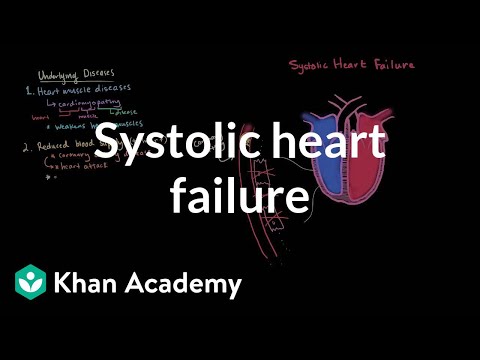
Now let’s talk about some types of heart failure. One common type is systolic dysfunction, where the left ventricle—the main pumping chamber—can’t contract effectively. It’s similar to squeezing a sponge and not getting all the water out. On the flip side is diastolic dysfunction, which occurs when the ventricle doesn’t relax properly between beats; kind of like trying to stretch an elastic band that has lost its bounce.
But here’s where it gets interesting: people with diabetes or obesity are often at higher risk for developing heart failure because these conditions stress out your cardiovascular system even more, like adding weights while running uphill.
As time goes on, this ongoing struggle leads not just to physical effects but emotional ones too—like anxiety and depression. Nothing feels worse than knowing you used to run around without getting tired, but now walking from one room to another feels exhausting!
At some point, doctors might classify this condition into stages—from Stage A (at risk) all the way through Stage D (advanced). Each stage shows how progressively worse things have gotten inside.
So basically, understanding this whole pathophysiology stuff gives insights into treating and managing symptoms better! Medications can help ease things up—like diuretics for fluid retention or ACE inhibitors for better blood flow—and lifestyle changes make a difference too!
You see? Heart failure is complex but understanding its pathophysiology helps demystify why it happens and what we can do about it! It’s all about keeping that ticker ticking smoothly!
Exploring Long-Term Survival: Case Studies of Individuals Living Over 20 Years with Heart Failure in Cardiovascular Science
So, let’s talk about heart failure and some surprising stories that show how people are living with it for more than 20 years! You might think heart failure sounds super scary, and yeah, it can be. But thanks to advances in medicine and a better understanding of how the heart works, some folks have really defied the odds.
Heart Failure Basics
Basically, heart failure means your heart isn’t pumping blood as well as it should. It can happen for a bunch of reasons—like high blood pressure, previous heart attacks, or other conditions. When your heart struggles like this, you might feel tired or have trouble breathing. It’s not a death sentence, though! With the right care and lifestyle changes, many people manage to live quite well.
Case Studies: Stories of Survival
- Mr. Thompson: Once a marathon runner, he was diagnosed with heart failure at 55. Instead of slowing down completely, he adjusted his lifestyle by incorporating low-impact exercises and a balanced diet focused on whole foods. He didn’t just survive; he thrived!
- Mrs. García: After facing her diagnosis in her late 60s, she took control by attending cardiac rehab classes. Her journey wasn’t easy—she had ups and downs—but she learned how to manage her symptoms effectively and still enjoys gardening every day.
- Mr. Huang: A former chef who learned how to cook healthier dishes after his diagnosis at 62! He watched his sodium intake closely but found creative ways to still cook delicious meals for himself and his family.
You see? The key lies in lifestyle modifications and support systems that make a huge difference! Each of these individuals crafted their path with the guidance of healthcare professionals.
The Role of Medical Advances
You might wonder why many are living longer despite such a diagnosis. Well, medications play an essential role here! Newer drugs can help the heart pump more efficiently or reduce symptoms significantly.
- Beta-blockers: These help slow your heartbeat down so the heart doesn’t work too hard.
- Ace inhibitors: These relax blood vessels so blood flows more easily.
- SGLT2 inhibitors: A newer class that helps with fluid retention—a common concern in heart failure cases.
The Importance of Support Systems
No one wants to face health hurdles alone! Community support is crucial for those living with chronic illness like heart failure. Studies show social connections improve outcomes—they encourage you to stay active and engaged!
- Pals who join you for walks or cooking healthy meals really help boost motivation!
- Counseling groups provide emotional support that keeps spirits high during tough times.
You know what else matters? Routine check-ups are golden! Regular visits allow doctors to adjust treatments based on how someone is doing at any moment—inspiring confidence!
If anything’s clear from all this, it’s that life doesn’t have to stop just because you face challenges like heart failure. People learn to adapt their lifestyles while staying positive and proactive about their health!
Sounds hopeful when you see real-life examples showing resilience in action! Heart disease is complicated but totally manageable when approached from all angles—medical treatment plus personal commitment makes magic happen! Don’t you think?
Essential Guidelines: Beverages to Avoid for Heart Failure Management
When it comes to managing heart failure, what you drink can really make a difference. You know, sometimes we don’t think much about our beverages, but certain ones can act like sneaky villains for your heart. So let’s break it down and highlight some drinks you should probably steer clear of if you’re dealing with heart issues.
- Soda and Sugary Drinks: These bubbly treats are loaded with sugar, which can lead to weight gain and increased blood sugar levels. And that’s not great news for your heart. It’s easy to forget how much sugar is in those cans—like, one regular soda can have around 40 grams of sugar! Imagine that stacking up over time.
- Alcohol: This is another tricky one. While a little might not hurt, excessive consumption can worsen heart failure symptoms. It puts extra stress on your heart and could interfere with the medications you’re taking. Plus, hangovers don’t exactly help your overall wellbeing.
- Caffeinated Beverages: Coffee and energy drinks might boost your energy temporarily but watch out! They can cause dehydration or even increase blood pressure in some folks. If you need that caffeine fix, moderation is key—maybe stick to just one small cup a day?
- High-Sodium Drinks: Some juices or sports drinks may contain added salt which can contribute to fluid retention. That’s no good if you’re already dealing with swelling or heart strain. Check labels because sodium hides where you least expect it!
- Artificially Sweetened Drinks: Okay, this is kind of ironic because we often grab these thinking they’re healthier than sugary drinks. In reality, some studies suggest that artificial sweeteners may be linked to metabolic issues—yeah, not cool for heart health!
The thing is, staying hydrated is super important too! Water should be your go-to drink; it helps maintain the right balance in your body without those added health risks.
You see how simple adjustments in what you drink can totally impact how you feel? Managing heart failure takes more than just medications; it’s about lifestyle choices all around. If we swap out those harmful beverages for healthier options, our hearts might thank us later!
Heart failure, uh, it’s a pretty heavy topic, right? I mean, when you hear those words, you might think of someone struggling for breath or feeling overwhelmed. But there’s so much more underneath the surface. So, let’s chat about what happens in your body when heart failure takes over.
Okay, picture this: your heart’s like a super busy pump. It’s working day and night to keep blood flowing through your body. But sometimes—it gets tired or even damaged from stuff like high blood pressure or a heart attack. When that happens, it’s like the pump starts sputtering. And that sputtering leads to less oxygen and nutrients getting delivered to the rest of your organs. That’s when you start noticing things going south.
So, basically, there are two main types of heart failure: systolic and diastolic. In systolic heart failure, the heart can’t pump effectively because it’s weakened—kind of like trying to squeeze toothpaste out of an empty tube. Diastolic heart failure is when the heart muscles stiffen up and can’t fill properly with blood. Imagine trying to pour water into a balloon that won’t expand; you feel me?
And get this! It’s not just about feeling run down or breathless; it can also mess with your kidneys and other organs because they’re not getting what they need to work properly. I remember my uncle dealing with this; he had trouble doing simple things like climbing stairs or even walking around the block without getting winded. It was heartbreaking to see him struggling.
You know, there are also some interesting side effects when someone has heart failure—like swelling in the legs or belly because fluids start building up since the body’s trying to compensate for what the heart can’t do anymore. So wild how our bodies try to adapt but can get so out of whack!
Talk about treatments! They vary widely—from lifestyle changes like diet and exercise to medications and even surgical options in some cases. The science behind all this? Super complex but fascinating too! Researchers are always hustling to figure out better ways to manage and understand heart failure.
So yeah, while exploring the pathophysiology of heart failure might sound all technical with its PDFs full of studies and data—the bottom line is about real lives affected every day by this condition. We’ve got these amazing yet intricate systems in our bodies that remind us just how crucial it is to take care of ourselves—and maybe lend an ear (or a hand) if someone else is struggling too.