You know what’s wild? The heart is like a rock star in your body. It has to pump, beat, and groove all day long. But sometimes, the show gets interrupted—like when Rheumatic Heart Disease crashes the party.
Imagine being a kid, playing tag with your friends. Now picture getting strep throat and, boom, suddenly you’re at risk for some serious heart drama later on. Doesn’t seem fair, right? That’s kinda how it goes with this disease.
When our immune system decides to throw a tantrum after fighting off infections, it can end up messing with our heart valves. And that’s no small deal. So let’s break it down together: what happens in the body that leads to all this?
Flow Chart Illustrating the Pathophysiology of Rheumatic Heart Disease in Cardiovascular Science
So, let’s chat about rheumatic heart disease (RHD), which is a pretty serious condition that messes with your heart because of something that starts off as a throat infection. It all comes from **rheumatic fever**, which can happen after you get strep throat. The bacteria, called *Streptococcus*, can trigger your immune system to go a little haywire, leading to inflammation not just in your throat but in other parts of your body too, including the heart.
Now, when you think about the pathophysiology of RHD, it’s like mapping out a journey. Here’s how it goes:
- Infection: Starts with strep throat. You may think it’s just a sore throat, but if untreated, it can lead to some real trouble.
- Immune Response: Your body tries to fight off the strep bacteria. But somehow, it confuses its own heart tissue for the bacteria. Oops!
- Inflammation: This misfire leads to inflammation in the heart and can damage the valves—those are the little doors inside your heart that control blood flow.
- Valve Damage: Over time, this damage can cause the valves to either leak or narrow. Imagine trying to push water through a partially covered hose—it doesn’t flow right!
- Heart Complications: As the problem gets worse, you might face symptoms like shortness of breath or fatigue because your heart isn’t getting blood where it needs to go.
You know, I once met someone who had RHD and didn’t even realize what was happening until they were really struggling with their energy levels. They thought they were just tired from life—but no! It was this condition sneaking up from behind.
Now let’s break down some key parts even further:
The Immune System’s Role: After a strep infection, our immune system produces antibodies aimed at fighting these pesky bacteria. Unfortunately, these antibodies can also target similar proteins in our heart tissues—the classic case of “friendly fire.”
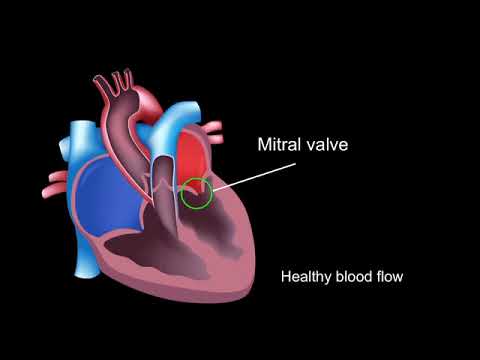
The Heart Valves: The most affected parts are usually the mitral and aortic valves. When they get damaged due to ongoing inflammation over several cycles of rheumatic fever attacks, you could end up with some serious conditions like mitral stenosis or regurgitation.
Anatomy Changes: If we were to draw this as a flow chart (which would be super helpful), you’d see how everything connects: starting from infection leading through immune response and inflammation straight down to valve damage and heart complications.
So yeah, RHD is pretty complex but crucial for people to understand because early detection and treatment are key! People need awareness about those sore throats—sometimes they’re way more than just a nuisance! And hopefully by chatting about this stuff more often—even over coffee—we help others think twice before ignoring those symptoms.
Comprehensive Analysis of Rheumatic Heart Disease Pathophysiology: Downloadable PDF Resource
Rheumatic heart disease, or RHD for short, is a serious condition that develops when rheumatic fever causes damage to the heart. This fever often follows a strep throat infection. The pathophysiology is quite intricate, so let’s break it down into bite-size pieces.
When you get strep throat, your body mounts an immune response against the bacteria. But sometimes, this response goes haywire and starts attacking your own tissues—especially the heart. Imagine your immune system mistaking parts of your heart for invaders! That’s where things get tricky.
The key players in this scenario are the antibodies, which are like little soldiers that the body sends out to fight infection. They can mistakenly target the heart tissue due to a process called molecular mimicry. That means some proteins on strep bacteria look similar to proteins in your heart. This confusion leads to inflammation and damage over time.
Now, let’s dig a bit deeper into what happens next:
- Valvular Damage: The inflammation can scar and deform the heart valves.
- Heart Failure: Over time, this can lead to issues like heart failure since the valves can’t do their job properly.
- Atrial Fibrillation: Irregular heartbeat might occur due to changes in heart structure.
You see, it’s not just about one part of the heart being affected; it can spiral out into several serious problems!
But wait—there’s more to consider! Chronic inflammation can lead to further complications like increased pressure in blood vessels, which is never good news for your circulatory system.
And here’s an emotional note: imagine a young child who has fought off strep throat only to face a lifelong battle with RHD because of an immune response gone wrong. It’s heartbreaking!
In summary, understanding RHD’s pathophysiology isn’t just about knowing how things connect; it’s about grasping how something seemingly simple—a sore throat—can have such life-altering effects down the line. So next time you hear about rheumatic fever or rheumatic heart disease, you’ll know it’s not just medical jargon; it’s real life with real consequences!
Understanding the Pathophysiology of Rheumatic Heart Disease: A Comprehensive SlideShare Overview
Rheumatic heart disease is, like, a serious condition that can mess with your heart’s valves. It mainly comes from rheumatic fever, which is a complication after strep throat. Here’s how it goes down: when you get strep throat and don’t treat it properly, your body starts to attack its own tissues, including those in the heart. Basically, this autoimmune reaction can lead to inflammation and damage over time.
Pathophysiology, or how the disease develops and affects the body, involves a few key players. First up is inflammation. When strep bacteria invade your throat, your immune system kicks into gear. While fighting off the infection, it can go a bit overboard. This out-of-control response can lead to swelling in the heart tissue.
Next on the list are valvular problems. As inflammation takes hold, the heart valves—the flaps that help blood flow correctly—can become scarred or deformed. Imagine trying to close a zipper that’s all jammed up; that’s kind of what happens with valvular function. Symptoms might include fatigue or chest pain if these valves aren’t working right anymore.
The whole thing doesn’t stop there though! There’s also chronic damage. If you’ve already had rheumatic fever once, you’re at higher risk for more bouts later on. Each episode stacks on more damage like layers of paint on an old wall. This chronicity leads to progressive deterioration of heart function and can cause serious complications down the line.
You might be wondering how this all ties together with blood flow and other organs in your body—like lungs and kidneys—because they’re affected too! For example, when the heart isn’t pumping efficiently due to valve issues, it leads to fluid buildup in places where it shouldn’t be—like your lungs or legs—which is quite uncomfortable.
To put things into perspective: think about a time when you had a severe cold and couldn’t breathe well; now imagine that chronic discomfort multiplied over time because of a faulty valve. That’s how patients with rheumatic heart disease often feel as they deal with daily challenges from their condition.
So yeah, understanding rheumatic heart disease isn’t just about knowing what happens after strep throat; it’s really getting why those reactions matter long-term for someone’s health—and why treatments focus not just on symptoms but also on preventing further damage. Awareness is key!
In summary:
- Rheumatic fever causes immune response leading to inflammation.
- This inflammation damages heart valves, causing dysfunction.
- Chronic damage increases risk for more episodes.
- Heart function impacts other organs like lungs and kidneys.
By grasping these concepts, we really start seeing how important it is to catch strep throat early and manage it effectively—that’s honestly one of the best ways to avoid this whole messy situation later on!
So, let’s chat about rheumatic heart disease (RHD) and the whole pathophysiology thing. Honestly, it can sound super complicated, but it’s like this tragic tale that unfolds in our bodies after a seemingly simple throat infection. You get strep throat, right? Most of the time it’s just an annoyance—a sore throat and maybe some fever. But for some folks, especially kids in certain parts of the world, that same strep can kick off a chain reaction that ends up messing with their hearts.
Here’s where it gets a bit darker: if strep throat isn’t treated properly or quickly enough, your immune system goes a little overboard. It starts fighting the bacteria but ends up confusing some of your own tissues for the enemy. Yep, you guessed it—this misdirected immune response can lead to inflammation in various organs including your heart. Imagine your body’s defense team turning on its own players! That leads to rheumatic fever which, over time and without proper care, causes real damage to heart valves.
Now let me throw in an anecdote here because this stuff gets real and personal fast. I once knew a kid—let’s call him Sam. He was always running around playing soccer until he caught strep throat one summer. His mom took him to the doctor right away; they gave him antibiotics without delay. Sam recovered fine; however, not everyone is as lucky as he was. Many kids don’t have immediate access to care or live in places where healthcare is inconsistent. A few years down the line, I heard about another kid who didn’t get treated on time; he ended up needing surgery because his heart was seriously affected by RHD.
Research on this condition is crucial because it isn’t just about treating symptoms; it’s really about understanding how we can better prevent these scenarios from unfolding at all! Scientists are always looking at the underlying mechanisms—the genetic factors that affect how someone’s body responds to infections or how inflammation leads to scarring in heart tissues.
But it’s also about finding ways to improve outcomes for those already affected by RHD. Imagine doing research not just for scientists’ sake but to help kids like Sam avoid life-altering surgeries down the line! That’s what keeps researchers motivated—to change lives for the better through understanding and innovation.
Honestly, when you think about it that way—like what’s at stake—it adds depth to why studying something like RHD is so essential. Not just numbers on a page or statistics; these are real stories involving families and futures being reshaped due to something that could have been preventable with better awareness and treatment access.
So yeah, when we dig deep into the pathophysiology of rheumatic heart disease through medical research, we’re not just looking at cells and immune responses; we’re aiming for hope and healing in communities around the world! And that’s pretty powerful stuff if you ask me.