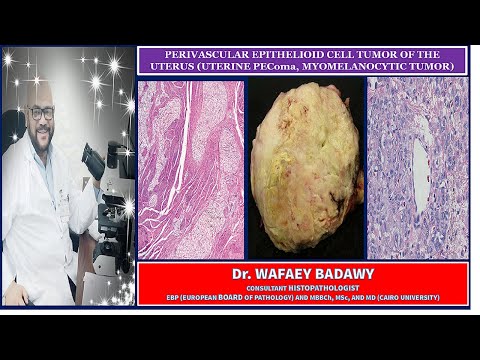
You know how sometimes you see a term that just sounds weird? Like, “Pecoma”? It’s like a creature from some sci-fi movie. But in the medical world, it’s a whole different story.
So, picture this: imagine you’re hanging out with your friends and someone mentions their diagnosis. You nod along, feeling smart for knowing about all these terms. But then they drop “Pecoma” and everyone’s faces go blank. Awkward silence, right? You definitely don’t wanna be that person.
Pecomas are actually these rare tumors that pop up in soft tissues, and they can be tricky to understand. But trust me—getting the scoop on them is super important. Not only can it help in understanding what’s going on inside your body, but it also has a real impact on how doctors figure out treatment plans.
Anyway, let’s unpack this together! Who knew learning about pathology could be this fascinating?
Key Features of PEComa: Insights into Tumor Characteristics and Implications in Oncology
PEComa, or perivascular epithelial cell neoplasm, is a rare type of tumor that can arise in various organs. These tumors are part of a family of tumors known as mesenchymal tumors. They’re often benign but can sometimes turn malignant. Let’s break this down a bit.
One of the key features of PEComas is their histological appearance. Basically, when you look at a PEComa under a microscope, you’ll typically see cells that have both smooth muscle and epithelial characteristics. This combination gives them a unique look that pathologists recognize. It’s like spotting a zebra in a herd of horses! These tumors often contain vacuolated cytoplasm, which means the cells have little empty spaces inside them—like tiny bubbles.
When it comes to where these tumors can pop up, they’re pretty versatile. You might find them in the kidneys, lungs, uterus, or even deeper soft tissues. But here’s the kicker: they’re not super common everywhere! That makes diagnosis tricky since symptoms really depend on their location. For instance, if they grow in the kidneys, you might experience flank pain or blood in your urine.
Diagnosis is crucial and often involves imaging studies like CT scans or MRIs. Sometimes doctors will want to do a biopsy to confirm the presence of PEComa cells. That’s where one sneaky little detail comes into play: these lesions can mimic other types of tumors. So yeah, distinguishing PEComas from similar looking tumors can be quite the challenge!
Another interesting characteristic is their potential genetic underpinnings. Some studies suggest that certain mutations might be linked to these tumors’ development, especially with genes associated with tumor suppression. You know how some people just have better luck than others? Well, it seems genes play a role in this too!
In terms of treatment options, most PEComas are treated with surgical removal if they’re accessible and localized. But for those pesky malignant ones? It gets more complicated—I mean, wouldn’t you agree? Chemo and targeted therapies might come into play depending on how aggressive they are.
In oncology, understanding PEComas is essential since they can behave unpredictably and differ so much from typical carcinomas or sarcomas. Staying informed about these rarer tumor types helps everyone from surgeons to oncologists make better decisions regarding patient care.
So there you have it! PEComas may not be the stars of tumor discussions but knowing their key features and implications can really help in navigating treatment paths effectively!
Exploring Differential Diagnoses of PEComa: Insights into Tumor Identification and Classification in Pathology
Alright, so let’s tackle PEComa, yeah? These tumors can be a bit of a puzzle in the world of pathology. PEComa stands for perivascular epithelioid cell tumor. They’re not super common, but they sure can cause confusion when trying to figure them out. The thing is, they arise from these unique cells that are typically found near blood vessels.
Now, when pathologists are looking at PEComas, they need to sort through a handful of similar-looking tumors—this is what we call differential diagnoses. Think of it like trying to pick out the right pair of shoes for an outfit; you’ve got options but only one will really fit the occasion.
- Other Tumors: First off, there are tumors that look a lot like PEComas, like angioleiomyomas, which are smooth muscle tumors associated with blood vessels. Then there’s also clear cell sarcoma, which does its own thing but can mimic a PEComa appearance.
- Histological Features: Pathologists look at tissue under a microscope to see specific features. PEComas usually have clear or eosinophilic cytoplasm and prominent nucleoli. This is like checking out how well those shoes are made before you decide to buy them.
- IHC Stains: Immunohistochemistry (IHC) plays a huge role here! For instance, these tumors often express markers like HMB-45. So if it shows up positive in staining tests, that helps confirm it might be a PEComa.
- Molecular Analysis: Sometimes they’ll even dig into molecular genetics for help! Alterations in genes linked with tumor behavior can provide insight—kind of like seeing what’s inside those shoes and how comfortable they’d be.
A little personal story: I remember chatting with a friend who had these odd symptoms and went through multiple tests before finally getting diagnosed properly with a rare tumor type that resembled PEComa. It was wild how many layers there were to peel back!
The clinical relevance? Oh man, this is where it gets serious. Correctly identifying and classifying these tumors can totally change treatment plans and patient outcomes. Misdiagnosis could lead someone down the wrong path entirely! That’s why pathology isn’t just about looking pretty under the microscope—it’s about real lives!
You see? Understanding differential diagnoses allows doctors to make informed decisions on patient care. And while it seems complicated at first glance, diving into histology and immunohistochemistry can really clarify things—like cleaning your glasses when everything’s fuzzy!
If you’re ever curious about pathology or hear terms thrown around in discussions, just remember the importance of context and identification—it’s all part of ensuring the best patient care possible.
Criteria for Diagnosing Malignant PEComa: Key Insights for Oncological Research
Malignant PEComa, or perivascular epithelioid cell tumor, is a rare type of tumor that pops up from cells called perivascular epithelioid cells. Basically, these tumors can be tricky to catch and diagnose since they don’t always show the classic signs you’d expect from cancer.
So what are the criteria you need to know when diagnosing malignant PEComa? Here’s a breakdown of some key insights:
- Histological Features: Pathologists look for specific cellular characteristics under the microscope. This includes pleomorphic nuclei (which just means they vary in shape and size), an increase in mitotic activity, and necrosis (cell death). If you see these features, it raises suspicion.
- Immunohistochemistry: It’s all about staining here! These tumors typically express markers like HMB-45 and Melan-A. If a sample shows positive staining for these markers, it can help confirm the diagnosis.
- Location: PEComas can occur almost anywhere in the body but often pop up in soft tissues, kidneys, and lungs. The location might give clues about what you’re dealing with.
- Clinical Behavior: How aggressive is the tumor? Malignant PEComas usually show aggressive behavior with a tendency to metastasize. That means they can spread to other parts of the body—something that definitely heightens concern.
- Patient Demographics: They tend to occur more frequently in young adult females. So if you’re treating someone who fits that profile with concerning symptoms, it might push you to consider a PEComa seriously.
It was kind of like when my friend Julie found out she had a strange lump on her arm. She thought it was just a fat deposit or something harmless at first. But after some tests—like imaging scans and biopsies—they found out it was actually a benign PEComa! Crazy how those things can mimic other conditions.
Another important aspect is differential diagnosis. It’s crucial to distinguish malignant PEComa from other similar tumors because they might require different treatments or follow-up protocols. Tumors like clear cell sarcoma or renal cell carcinoma can look alike but behave differently.
So yeah, diagnosing malignant PEComa comes down to multiple criteria—understanding histological features, using immunohistochemistry techniques, considering patient demographics, and keeping an eye on clinical behavior are all part of the mix. It’s pretty wild how much goes into getting an accurate diagnosis!
In oncology research, ongoing studies focus on better understanding these tumors’ genetic profiles and behavior patterns to improve diagnostic accuracy and treatment options moving forward. It’s evident that every little detail counts when you’re piecing together this puzzle called malignant PEComa!
Okay, so Pecoma pathology outlines. They might sound a bit heavy, right? But hang on, let’s break it down together. You know how sometimes we hear these fancy medical terms and they just sort of float over our heads? Well, Pecomas are actually a pretty interesting group of tumors that come from the smooth muscle or fat tissue. So these guys are like the body’s own little surprise packages—sometimes harmless, sometimes not so much!
I remember this time when a friend of mine got really curious after reading about a rare tumor related to Pecomas. I mean, you could see the wheels turning in her head! She was all in with her research and wanted to know everything—how they form, what symptoms to look out for, and what treatments are available. It was kind of infectious seeing her excitement!
Anyway, getting back to the outlines part—it’s basically about documenting what these tumors look like under the microscope and how they behave clinically. The cool thing is that these outlines help doctors figure out if a tumor is benign or malignant. Imagine having complex puzzles where every piece matters; that’s what pathologists do! They meticulously analyze each slide as if it’s a treasure map leading them to the right diagnosis.
What’s interesting is that there can be variations among Pecomas. Some can be more aggressive than others, which leads to innovative ways for treatment depending on individual cases. This means understanding their pathology isn’t just textbook info; it can have real-life consequences for patients and their families. You want to catch the aggressive ones early on—you know?
In clinical practice, especially when treating someone with cancer-related issues, knowing these pathology outlines can directly guide treatment plans and improve patient outcomes. That makes this topic not just academic but also deeply relevant in everyday lives.
So yeah, even though Pecoma pathology might seem like niche stuff at first glance, dig a little deeper and you find it connects back to real people facing some tough health challenges out there! It reminds all of us why science is so important—it’s all connected!