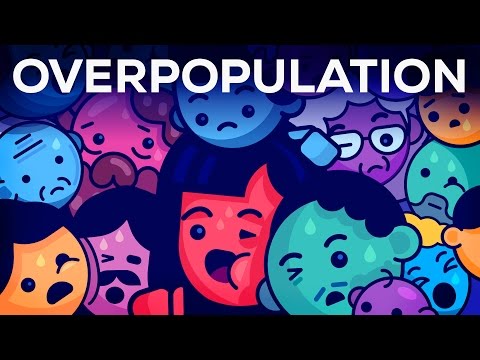
So, picture this: you’re at a party, right? It’s a cozy gathering, and suddenly more people show up than you thought could fit in that tiny living room. Everyone’s bumping elbows, stepping on toes—chaos! And while it’s all fun and laughter, you can’t help but wonder how long before things get overwhelming.
That’s kind of what’s happening on a global scale with our population. It’s like we’re all crammed into this giant planet-sized house. Over the last century or so, the world population has skyrocketed from about 1.6 billion to nearly 8 billion! Crazy, huh?
With so many of us around, we’ve got to think about what it means for our environment. The air we breathe, the water we drink—everything’s affected. But hey, it’s not just doom and gloom; there are ways we can tackle these challenges together.
Let’s chat about how our growing numbers are changing the planet and what that might mean for future generations.
Examining the Environmental Consequences of Increasing Populations: A Scientific Perspective
When we talk about population growth, it’s hard not to think about the effects it has on our environment. More people means more needs, right? More food, water, energy, and space. And you know what that leads to? A whole bunch of environmental challenges.
First off, let’s consider resource depletion. With more people living on Earth, we’re using up our natural resources way faster than they can replenish. Think about it: forests are cut down for agriculture and urbanization. Water supplies are drained to keep up with demand. If this keeps going, we might end up in a world where basic resources are scarce!
Then there’s waste generation. More humans mean more trash. It’s like when you have friends over and suddenly there are empty soda cans everywhere! Municipalities struggle to keep up with waste management as plastic, food waste, and other debris pile up. This not only affects landfills but also leads to pollution in waterways.
What hits hardest is climate change. More people usually means more carbon emissions from vehicles and factories. We burn fossil fuels for energy; that releases greenhouse gases into the atmosphere. Those gases trap heat and cause global temperatures to rise, leading to extreme weather events—think hurricanes or heat waves—and melting ice caps that threaten coastal communities.
A fascinating example is the city of Bangkok. It’s growing rapidly; with this growth comes air pollution from cars and industries that choke the skies! You can hardly see the sun sometimes! The city grapples with these issues daily as they try to balance growth while maintaining a livable environment.
But wait—that’s not all! Increasing populations also strain our biodiversity. As we expand cities or farmland into natural habitats, we push various species out of their homes. Some go extinct—we lose them forever! It’s like losing a piece of a puzzle; the whole picture feels incomplete.
You know what gets overlooked too? The social aspect surrounding environmental issues linked to population growth. Not everyone shares resources equally; some areas are hit harder than others. This disparity can lead to conflicts over water rights or land use—just imagine communities fighting over limited resources!
The bottom line is that population growth isn’t just about numbers—it profoundly impacts our planet’s health in multiple ways. From resource depletion to climate change, each effect intertwines with another like vines in a forest! The real challenge lies in finding a balance between human needs and environmental sustainability so we can create a healthier future together.
The Environmental Implications of Growth: Analyzing Scientific Perspectives on Ecosystem Dynamics
Let’s talk about how our growing population is impacting the environment, shall we? It’s a pretty big deal, and there’s a lot to unpack. As the number of people on this planet increases, it starts affecting everything around us—like our air, water, and ecosystems. You might wonder why that happens. Well, basically, more humans means more demand for resources. And that often leads to some serious environmental consequences.
First off, habitat destruction is a major concern. When towns and cities expand to accommodate more people, forests and wetlands get cut down or drained to make way for homes and roads. For example, think about how many trees are felled just to build new neighborhoods! This loss of habitat can push wildlife out and even lead some species toward extinction. Isn’t that sad?
Then there’s pollution. More people means more waste—trash, sewage, chemicals… you name it! Our landfills are filling up faster than ever. And don’t forget about air pollution from all those cars and industries cranking up their production to meet demand. Sometimes I can barely breathe when I step outside in cities like Los Angeles—it’s tough out there!
Water usage is another huge issue. With so many of us needing water for drinking, farming, and industry, we’re exhausting freshwater supplies at alarming rates. Have you seen those dry lakebeds in places like California? It’s heartbreaking! Over-extraction of rivers and aquifers leads not only to shortages but also harms aquatic ecosystems.
Biodiversity loss is also tied closely with population growth. The more we expand into natural areas for agriculture or urban development, the fewer safe havens there are for animals and plants to thrive. Just think about the coral reefs—they’re dying off partly due to run-off from coastal developments where people live.
And while some might argue that technological advances can offset these issues—like cleaner energy sources or water-saving devices—the truth is that human behavior has a huge impact as well. If we don’t change our habits and learn to live more sustainably, technology alone won’t save us.
The thing is: it’s not just about slowing population growth (which is important too); it’s also about how we manage our resources better while considering the health of ecosystems around us. Imagine if everyone worked together on conservation efforts or shifted toward sustainable living—it could make a big difference!
So yes, our growing population poses serious challenges for the environment that need urgent attention. It’s a complex issue involving many factors—from government policies to individual choices—but hey, by staying informed and making changes ourselves at home or in our communities can set the groundwork for healthier ecosystems.
You see? The relationship between human growth and environmental health isn’t just something scientists ponder in lab coats; it affects all of us every day! Let’s keep this conversation rolling because understanding is key if we want a better planet.
Exploring the Five Key Factors Influencing Population Growth in Ecological Science
Sure thing! Let’s break down the five key factors that influence population growth in ecological science. This stuff can get pretty intricate, but I’ll keep it laid-back and straightforward.
1. Birth Rate
Okay, let’s start with birth rate. This is basically how many babies are being born in a certain area over a specific time period. If more babies are born, the population grows, right? For instance, in countries like Niger, the birth rate is super high—around 44 births per 1,000 people! That makes a big difference compared to places like Japan where the rate is only about 8 per 1,000.
2. Death Rate
Then there’s death rate. This one’s simple—it measures how many people die in an area within a certain timeframe. If a lot of folks are dying while not enough babies are being born, you’ve got a shrinking population. During pandemics or natural disasters, death rates can spike and really shake things up.
3. Immigration and Emigration
Now let’s talk about immigration and emigration. These terms refer to people moving into or out of a place. Imagine you live somewhere cool like California, but your buddies from New York decide to move over—that’s immigration for you! But if you get tired of sunny days and move somewhere colder? That’s emigration. Both can impact how populations grow or shrink depending on who’s coming and going.
4. Age Structure
This factor looks at the age distribution within a population. It’s kinda key because if there are more young people who can reproduce, the population’s likely to grow faster! So if a country has lots of young folks and fewer elderly people (like many African nations), it could expect significant growth.
5. Economic Conditions
Lastly, economic conditions play a huge role too! In wealthier countries, families often have fewer kids because they focus on careers or education—like having one or two children instead of five or six due to financial reasons & life choices. On the flip side, poorer regions might see larger families simply to ensure some kids survive into adulthood.
So those are your five big players when it comes to understanding population growth in ecological science! And just remember: these factors don’t operate in isolation; they interact with each other all the time making things even more complex (and exciting!). It’s like watching an ecosystem dance—ever-changing and full of surprises!
You know, it’s pretty wild when you think about it—how quickly our world is growing. Just imagine a small village that gradually becomes a bustling city, filled with people everywhere you look. It feels alive, vibrant, and full of potential. But then again, that growth can bring some serious challenges for the environment.
I once visited a town near a beautiful national park. The locals were super friendly, but I quickly learned that their population had doubled in just a few years. I was struck by how their once-pristine surroundings were now crowded with homes and businesses. You could practically hear nature sighing. The trees seemed to be retreating from the buildings creeping closer each day. It really made me think about how all those new faces can have a big impact on ecosystems.
So, what’s the deal? As more people pop up on the planet—like mushrooms after rain—we start using more resources. Water, food, energy—you name it. Often this leads to over-exploitation of natural resources and deforestation. When forests disappear, so do countless species that call them home. That’s a major bummer for biodiversity.
And let’s talk waste for a second! More people usually means more trash piling up. You notice it when you walk around cities; one minute you’re enjoying the scenery and the next you’re stepping over litter or dodging big trash bins overflowing on the sidewalk. It’s not just unsightly; it creates pollution that can harm wildlife and even contaminate local water sources.
But hey, we’re resilient creatures! People are coming up with creative solutions to tackle these challenges. There are communities promoting sustainability—like urban gardens or renewable energy projects—that really show how we can grow without harming our planet too much.
Still, at the end of the day, it’s all about balance, right? It’s key to find ways to keep our growing population thriving without putting too much stress on Mother Earth. Just like that little village I mentioned earlier—it has to evolve while still respecting its roots in nature if it wants to maintain its charm and beauty.
Remembering this makes me feel hopeful yet aware of my own impact on our environment—and it makes me want to do better every single day!