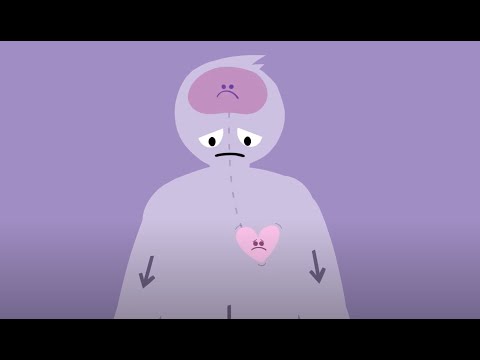
So, picture this: you’re standing in line for your favorite coffee, and suddenly, you feel like the room is spinning. Your heart starts racing, and it feels like someone just hit fast forward on your life. Yeah, that’s not just your caffeine fix kicking in. You might be experiencing something called POTS.
Okay, so what the heck is POTS? It’s short for Postural Orthostatic Tachycardia Syndrome. Sounds fancy, right? But really, it just means your body has a tough time adjusting to changes in position—like going from sitting to standing.
You might think it’s no big deal, but for many folks living with POTS, it can be a total game changer. Imagine trying to function when every time you stand up, your heart feels like it’s ready to run a marathon!
In this chat, we’ll dive into the nitty-gritty of how POTS works—what’s going on in the body that causes all this chaos—and why understanding it is super important for anyone dealing with it or trying to help someone who is. So grab a comfy seat because we’re about to break this down!
Understanding the Pathophysiology of Postural Orthostatic Tachycardia Syndrome (POTS): Mechanisms and Implications in Cardiovascular Health
So, let’s talk about Postural Orthostatic Tachycardia Syndrome, or POTS for short. It’s a condition that messes with your cardiovascular system and can really throw a wrench into your daily life. Basically, when someone with POTS stands up, their heart rate spikes way higher than it should. Like, we’re talking about an increase of more than 30 beats per minute within ten minutes of standing. Doesn’t sound fun, right?
The underlying mechanism behind this is kind of complex but super interesting. When you stand up, gravity pulls blood down to your legs. Your body’s supposed to compensate for that by tightening blood vessels and increasing heart rate to make sure enough blood gets to your brain. But in POTS patients, this regulation goes haywire.
You see, there are a few different reasons why this happens:
- Blood Volume Decrease: Some individuals with POTS have lower blood volume. This makes it tougher for their body to maintain blood pressure when standing.
- Autonomic Nervous System Dysfunction: The autonomic nervous system (ANS) controls things like heart rate and blood pressure without you even thinking about it. In POTS, the ANS might not send the right signals.
- Peripheral Circulation Issues: Sometimes the blood vessels don’t constrict properly when you stand up, which means less blood goes back to the heart and brain.
I remember a friend who had POTS telling me how she felt dizzy all the time when she stood up too fast—like she was on a rollercoaster that wouldn’t stop! It’s that feeling of lightheadedness or fatigue that really makes day-to-day activities tough.
POTS can also lead to other fun symptoms: fatigue, palpitations (which is just a fancy word for irregular heartbeat), and even some gastrointestinal issues like stomach pain or bloating. It’s amazing how interconnected our body systems are!
You know what’s wild? People with POTS often have other conditions alongside it like migraines or Ehlers-Danlos syndrome (a connective tissue disorder). This can complicate diagnosis because symptoms overlap quite a bit. Honestly makes me think about how unique each person’s experience is.
Management of POTS usually involves lifestyle changes—like increasing salt intake to boost blood volume (under doctor supervision!), drinking lots of fluids, and wearing compression garments to help keep that blood from pooling in your legs. Medications may also be prescribed depending on individual cases.
The implications for cardiovascular health can be serious since persistent elevated heart rates can potentially lead to long-term heart problems if not managed properly. So keeping an eye on symptoms is super important!
If you or someone you know is dealing with POTS, it’s crucial not just to treat the symptoms but really understand what’s happening in the body—and advocate for good care! Awareness around conditions like this is so necessary because they often fly under the radar.
The thing is: knowledge empowers you! Understanding how your body works helps in navigating healthcare options more effectively. So don’t hesitate to dig deeper and ask those questions—you deserve answers!
Exploring the Science Behind My POTS Recovery: A Personal Journey to Healing
So, let’s talk about POTS, or Postural Orthostatic Tachycardia Syndrome. It sounds fancy, but it’s basically a condition that messes with how your body manages blood flow when you stand up. You know that feeling when you jump out of bed too quickly and your head starts spinning? Well, that can be kind of what POTS feels like, but it happens a lot more often.
POTS often shows up as an increase in heart rate—like, when you go from sitting to standing. Imagine your heart racing while just standing there. That’s what many people experience. It’s not just annoying; it can lead to fatigue, dizziness, and even fainting! Talk about a rough ride.
The pathophysiology behind POTS is pretty interesting. In simple terms, it has to do with how blood vessels tighten and how blood flows through the body. When you stand up, gravity pulls blood down into your legs. Normally, your body compensates by tightening those vessels and increasing the heart rate to keep enough blood flowing to the brain. But in someone with POTS? Well, that system gets all outta whack. Blood doesn’t return to the heart properly which leads to those symptoms I mentioned.
- Blood Volume: A lot of folks with POTS have lower blood volume than average. This makes it tougher for their bodies to supply enough blood when they need it.
- Nervous System Issues: Your autonomic nervous system controls things like heart rate and blood pressure without you even thinking about it! In POTS patients, this part might be malfunctioning.
- Hyperadrenergic Response: Some people have this heightened response where their bodies pump out too many stress hormones—yikes! This can make symptoms worse.
The tricky part is that recovery is totally unique for each person battling POTS. For me personally, my journey included lifestyle changes like increased fluid intake and specific exercises designed for my body type. Seriously—it was like learning a whole new way to exist!
A biggie was staying hydrated: drinking more water helped increase my blood volume. Sometimes I felt like I was chugging gallons! But hey, every little bit helps right?
Another key part of recovery involves exercise. I started slow with exercises tailored for improving circulation while keeping my heart rate in check—things like recumbent biking and resistance training —really made a difference! These workouts help get the heart stronger without pushing it over the edge.
The emotional piece can’t be overlooked either; coping with something like POTS means dealing with fatigue and frustration regularly. Finding support groups or even just chatting with friends helped me feel less isolated on tough days.
If you’re looking at recovering from something similar or just curious about understanding POTS better, consider reaching out to health professionals familiar with these kinds of conditions or exploring dedicated support groups online!
The big takeaway? Recovery isn’t linear; it’s messy yet beautiful in its own quirky way! So stay hopeful—even if some days are hard.
Exploring Effective Treatment Approaches for Postural Orthostatic Tachycardia Syndrome (POTS) in Medical Science
So, let’s talk about Postural Orthostatic Tachycardia Syndrome, or POTS for short. This condition is like a rollercoaster for your heart and can really mess with your daily life. Imagine standing up and feeling your heart race faster than you can count, sometimes leading to dizziness or even fainting. Yikes, right?
The pathophysiology of POTS is pretty complex but let’s break it down simply. Basically, when you stand up, your body has to adjust blood flow quickly. In people with POTS, this response is off-kilter. They often have an exaggerated heart rate increase—like 30 beats per minute or more after standing! It’s like their body forgot how to manage blood pressure and circulation efficiently.
Now, how do we approach treating this? Well, there are several effective strategies that can help manage symptoms:
- Lifestyle modifications: This is huge! Simple things like increasing fluid intake or wearing compression garments can make a big difference. Hydration helps expand blood volume and maintain pressure.
- Dietary changes: Adding more salt to your diet might sound odd but it can actually help with blood volume in some cases. Just make sure you’re talking to a doctor before making any drastic changes!
- Exercise therapy: Yes, I know when you’re feeling dizzy the last thing on your mind is working out. But tailored exercises—especially those that strengthen your legs—can improve circulation and help give your body a sense of balance.
- Medications: Sometimes doctors might prescribe medications like midodrine to help raise blood pressure or fludrocortisone to enhance fluid retention. It’s all about finding what works best for you!
A while back, I was chatting with a friend who has POTS. She described her journey as being on a never-ending scavenger hunt for the right treatment combo—it took time and patience! But after working closely with her doctor to tweak her lifestyle and medication, she finally found some relief.
POTS isn’t just about the physical symptoms; it also affects emotional well-being too. Dealing with fatigue and anxiety related to sudden heart rate spikes can be daunting.
That’s why a comprehensive care approach—for instance involving nutritionists or therapists—can be super beneficial.
The thing is, each person’s experience with POTS can differ quite a bit, so treatments vary widely from one individual to another. Finding that sweet spot often means trial and error but sticking it through can lead to positive outcomes.
If you know someone dealing with POTS—or even if it’s you—just remember: it’s important to keep communicating with healthcare providers about what you’re experiencing. Knowledge is empowering! Together, you can explore various treatment pathways until something clicks.
That sense of teamwork in patient care makes all the difference!
So, let’s chat about POTS, which stands for Postural Orthostatic Tachycardia Syndrome. It sounds a bit clinical, but really it’s a condition that affects quite a few people. Picture this: you’re standing up after sitting for a while, and suddenly your heart starts racing like you just sprinted a marathon. That’s basically what someone with POTS feels. Their heart rate jumps way up when they move from lying down to standing up.
What happens is that the body has trouble regulating blood flow and, as a result, blood doesn’t reach the brain as efficiently as it should. It’s like when you try to pour juice into a cup but keep missing because the jug is too heavy or awkward to hold correctly. The blood just doesn’t flow right… and this can cause everything from dizziness to fatigue and even fainting. It can be really tough for those dealing with it.
I remember talking to someone who has POTS; she described how mundane activities like showering could leave her completely exhausted. I mean, just think about that! You take showers all the time without thinking twice about it, but for her, it becomes this massive challenge—like climbing Mount Everest.
Now let’s talk patient care for a sec. The implications here are huge! For healthcare providers, understanding POTS is key to giving better support and advice. It’s not enough to just recognize the symptoms; knowing how this condition messes with the body helps in tailoring treatments or therapies. This could include hydration strategies or recommending certain medications that help regulate heart rate and blood flow.
But empathy also plays a giant role in care—approaching patients with compassion because what they’re going through isn’t just physical; it messes with their whole life! Just feeling heard can make such a difference in their day-to-day experience.
So yeah, understanding POTS isn’t just about medical jargon or treatment protocols; it’s about connecting with real people facing real challenges while making sure their voices are heard in the process. And that’s pretty powerful if you ask me!