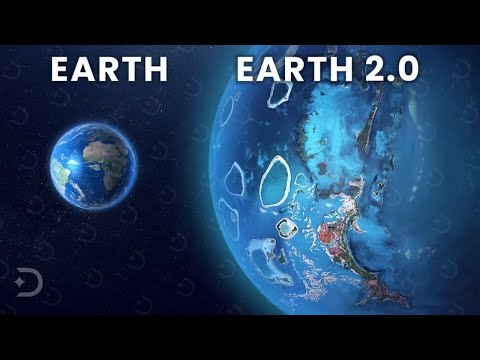
So, picture this: it’s a regular day on Earth, and someone says, “Hey, did you know there are planets out there just hanging around?” You might think they’re joking, right? But nope! There’s a ton of them out there.
And that’s where the Kepler Telescope comes in. This little marvel has been like a cosmic detective, hunting down planets outside our solar system. Seriously, it’s been peering into the dark abyss of space and finding some wild stuff!
Imagine being the first to discover an entirely new world. That’s what Kepler did! It opened our eyes to countless possibilities beyond our blue planet. Like, who knows what strange creatures could be chilling on those far-off worlds?
So let’s dig into how this telescope has reshaped our understanding of the universe and maybe sparks a little more curiosity about what’s out there waiting for us. Ready?
Unveiling the Cosmos: The Kepler Telescope’s Revolutionary Methods for Discovering Exoplanets
So, let’s talk about the **Kepler Telescope** and its amazing journey through space, finding new worlds. Imagine a little robot in the sky, peeking at stars and spotting planets orbiting them. Yeah, that’s exactly what Kepler did!
The cool thing about this telescope is its **method** of discovering exoplanets—planets beyond our solar system. You see, it wasn’t just randomly looking around; it used some pretty clever tricks. Here are some of the methods Kepler used:
- Transiting Method: This is its star move! The telescope would monitor stars for tiny dips in brightness. When a planet passes in front of a star—like a cosmic photo-bomb—it blocks some light. By measuring these dips, astronomers could figure out the planet’s size and how far it orbits from its star.
- Wide Field of View: Kepler wasn’t picky. It stared at the same patch of sky for years, focusing on thousands of stars all at once! This was key because it collected loads of data on many stars simultaneously.
- Precision Measurements: Kepler was like that friend who holds you accountable every step of the way. It measured light changes with incredible accuracy, picking up even slight variations in brightness.
It’s kind of like listening to music on your phone. If you’re really into details, you can hear every note clearly. That’s what Kepler did with stars and their planets.
Interestingly enough, one time I remember reading about how excited scientists were when they discovered **Kepler-186f**—the first Earth-sized planet found in the habitable zone of another star! It was like finding a needle in a cosmic haystack.
Let’s not forget about how many worlds Kepler actually discovered! Over **2,300 confirmed exoplanets** came from its observations alone! That’s a parade of planets just waiting to be explored.
But wait! There’s more to this story than just numbers and methods—the impact is huge too. Each discovery helps us understand our universe better though we’re still figuring out if any of those planets might host life.
In summary, thanks to clever techniques like tracking light dips and staring intently at stars for ages, the Kepler Telescope opened up new possibilities in astronomy. It made us realize just how vast and varied our universe really is—and who knows what else we’ll find out there? Just thinking about it gives me chills—it’s almost poetic when you think about all those distant worlds patiently waiting for us to notice them!
Revolutionizing Astronomy: Key Discoveries of the Kepler Telescope and Their Impact on Science
The Kepler Telescope is like the cool kid in the astronomy world. Launched by NASA in 2009, it took a deep look into the cosmos to find new worlds outside of our solar system—called exoplanets. I mean, just imagine peering into the vast darkness and spotting planets orbiting stars light-years away. Wild, right?
So, what’s the big deal about Kepler? Well, before it came along, we knew of just a handful of exoplanets. Kepler changed all that. Over its mission, it discovered thousands of them! So when you’re cozying up at night gazing at stars, remember there’s a good chance some of those twinkling dots could have planets circling around them.
Here’s how Kepler did its thing:
- Transit Method: Kepler used this neat trick where it watched for tiny dips in star brightness. When a planet passed in front of its star from our viewpoint, it blocked some light. This “transit” was like nature’s way of saying, “Hey! Look at me!”
- The Size and Distance Game: With these transits, scientists figured out how big each planet was and how far from their stars they were. Some are super hot “hot Jupiters,” while others are cooler Earth-like worlds that might even have liquid water.
- Statistical Goldmine: Kepler didn’t just deliver discoveries; it gave us statistics too! We now know that there are more planets than stars—yes, seriously! This means the universe is brimming with potential homes for life.
Now let’s not forget about the emotional spark here. When researchers first realized they’d found Earth-sized exoplanets within the “habitable zone”—the sweet spot where conditions could be just right for life—it must have felt like discovering hidden treasures. Like finding out there’s a chance we’re not alone in this vast universe.
Kepler also paved the way for future missions like TESS (Transiting Exoplanet Survey Satellite). It opened doors to new studies on atmospheres of these distant worlds and even inspired missions that aim to image them directly.
The impact? Huge! It reshaped how scientists view our place in the universe. Now we’ve got new theories about planetary formation and evolution based on what Kepler revealed.
In short, thanks to the Kepler Telescope, we’ve cracked open a box filled with cosmic wonders that keep us questioning our existence and searching for life beyond Earth. How cool is that?
Exploring the Kepler Planets: Insights into Exoplanetary Science and the Search for Habitable Worlds
The Kepler Space Telescope was like a cosmic detective, on a mission to uncover hidden worlds beyond our solar system. Launched in 2009, it focused on a patch of sky in the constellation Cygnus. You see, Kepler didn’t just take pretty pictures; it was specifically designed to find exoplanets—planets that orbit stars outside our solar system.
So how did it do this? Well, it monitored the brightness of over 150,000 stars. When a planet crosses in front of its host star—a moment called “transit”—it causes a tiny dip in brightness. This is like when you’re trying to watch a movie but someone walks in front of the screen for just a second. Those little dips helped scientists discover thousands of exoplanets. Pretty cool, huh?
Since its launch, Kepler has found more than 2,300 confirmed exoplanets and many more candidates waiting to be verified. These planets come in all shapes and sizes—from tiny rocky worlds similar to Earth to massive gas giants much bigger than Jupiter! Imagine discovering new planets every day; that’s what scientists experienced thanks to this telescope!
One exciting part about Kepler’s discoveries is the potential for finding habitable worlds. It identified planets located in the “habitable zone” of their stars—the region where conditions might be just right for liquid water to exist. Water is crucial because it’s often considered one of the key ingredients for life as we know it.
For example, one standout is Kepler-186f, which orbits within its star’s habitable zone and is roughly Earth-sized. This planet got everyone buzzing because it’s such a prime candidate for being similar to our home planet!
But what does this all mean for us? It pushes us to think about life’s possibilities beyond Earth. Just imagine if there’s life out there! The findings from Kepler have sparked curiosity not only among scientists but also among dreamers and enthusiasts alike.
Kepler’s mission wrapped up in 2018, but its legacy lives on through all the data collected—stuff that astronomers are still sifting through today. And thanks to that treasure trove of information, astronomers can continue piecing together the broader picture of how planetary systems form and evolve.
In short, exploring the Kepler planets has opened up an entire universe of questions about where else we might find life and what other worlds are out there waiting for us to discover them.
- Kepler was launched in 2009, focusing on discovering exoplanets.
- It discovered over 2,300 confirmed exoplanets, showing diverse planetary types.
- The habitable zone is key, indicating where liquid water may exist.
- Kepler-186f stands out, being an Earth-sized planet in its star’s habitable zone.
- The mission ended in 2018, but research continues with the data gathered.
So there you have it! The journey sparked by the Kepler Space Telescope is far from over—it’s only just begun!
It’s pretty wild when you think about it: the Kepler Space Telescope was like a cosmic detective, peering deep into space to find hidden treasures. You know, when it was launched in 2009, it opened up a whole new chapter in our understanding of the universe. Imagine being that little satellite out there, zipping around Earth and staring at 150,000 stars! That’s basically like trying to pick out a needle from a haystack—but instead of just any needle, we’re talking about planets outside our solar system.
I still remember the first time I heard about an exoplanet discovery. It was during one of those late-night science shows, and they were talking about how Kepler found thousands of them! I mean, it seemed almost magical to me. To think there are worlds out there—some potentially similar to ours—just hanging around distant stars. It really tugs at your imagination, doesn’t it? Like what if somewhere out there, an alien is looking back at us? Crazy idea!
The telescope wasn’t just on a treasure hunt though; it helped scientists figure out what makes planets tick. It discovered that many of these exoplanets are in their star’s habitable zone—the Goldilocks zone where things aren’t too hot or too cold for liquid water to exist. Think about that for just a moment! We’re talking possibilities of life beyond Earth! But hey, also remember that not all exoplanets are Earth-like. Some are gas giants like Jupiter or hellishly hot rocks; still intriguing in their own right.
What strikes me about Kepler is how its data has kept giving long after its mission ended in 2018 due to some technical issues. Researchers continue to analyze that treasure trove of information, unveiling new secrets bit by bit. Each new finding feels like unfolding another layer of mystery.
And then there’s this huge shift in how we view our place in the cosmos because of Kepler’s discoveries. It’s not just numbers and graphs anymore; it’s stories—stories of potential life and worlds waiting for us to explore them one day.
So yeah, every time I gaze up at the night sky now—armed with this newfound perspective—I can’t help but wonder what other wonders lie beyond that we’ve yet to discover!