You know that feeling when you walk into a room and someone just sneezes? Everyone suddenly becomes a ninja, dodging droplets like it’s a game. Seriously! Communicable diseases have this way of turning us all into germaphobes for like 10 seconds.
But here’s the thing—this isn’t just about avoiding the sniffles. It’s way bigger. Imagine if we could actually prevent these bugs from spreading before they even get a chance to say “hello.” That’s where science struts in, cape on, ready to save the day.
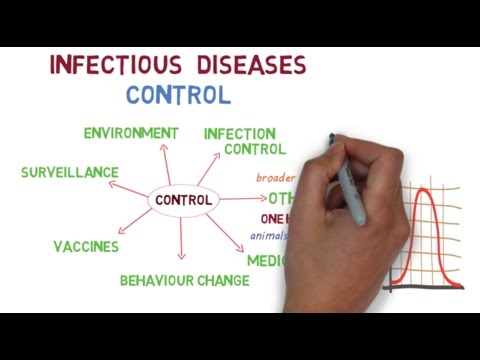
Researchers are cooking up some pretty wild approaches to keep those pesky germs in check. Think vaccines, innovative public health strategies, and oh, tons more! So stick around; we’re diving into how these cool scientific methods can change our world and keep us healthy. Sounds interesting, right?
Effective Strategies for Preventing Communicable Diseases: Insights from Health Science Research
Communicable diseases, like flu or COVID-19, spread from person to person. And they can be a real challenge for public health, you know? But there are some solid strategies that can help keep these pesky bugs at bay.
First off, vaccination is one of the most powerful tools we have. Vaccines teach your body how to fight off specific viruses and bacteria. Remember when everyone was rushing to get their COVID vaccine? That’s because it helps protect not just you but also those around you.
Another biggie is hand hygiene. Washing your hands regularly with soap and water or using hand sanitizer can drastically cut down on disease transmission. It sounds simple, but it’s super effective! Just think back to when you were a kid learning to wash your hands before dinner. It’s one of those habits that stick with you!
Now, let’s talk about social distancing. Keeping space between yourself and others—like staying six feet apart—can really help slow the spread of many diseases, especially in crowded places. Remember how empty some streets looked during lockdowns? That was part of an effort to keep people safe.
Then there’s wearing masks. They caught on big time during the pandemic, right? Masks can block respiratory droplets from escaping when we talk, cough or sneeze. So if someone around you is sick but doesn’t know it yet, wearing a mask could protect you.
Promoting healthy lifestyles is another key piece of the puzzle! Eating well, exercising regularly, and getting enough sleep makes your immune system stronger. Imagine your body as a fortress—keeping it strong helps fend off invaders.
And let’s not forget about public education campaigns. Spreading awareness about how diseases spread and how to prevent them is crucial! The more people know what to do—like staying home when sick—the fewer people get sick overall.
Finally, there’s the role of surveillance systems. Health agencies need to track outbreaks in real time so they can respond quickly. Think back to news reports about new COVID variants; this monitoring helps keep everyone informed and safe.
So yeah, it takes a combination of these strategies in health science research that keeps us one step ahead of communicable diseases. And every little bit counts! Through collective action and awareness, we can make a huge difference together.
Exploring the Science of Disease: Causes, Treatments, and Prevention in Medical Research
Sure, let’s talk about diseases and how we can understand them better. You know, when you think about sickness, it feels like a giant puzzle. There are many pieces to fit together—causes, treatments, and ways to keep them at bay.
First off, **diseases** can stem from a variety of sources. Some are caused by tiny invaders like **bacteria** or **viruses**. Others might be linked to lifestyle choices or genetic factors. For example:
- Bacterial infections like strep throat come from bacteria that invade your body.
- Viral infections, such as the flu, are caused by viruses that spread between people.
- Sometimes, non-communicable diseases like diabetes arise due to poor diet and lack of exercise.
But it’s not just about what makes you sick—there’s also the question of *why* some people get sick while others don’t. This is where genetics comes in. We all have different DNA, which can affect our immune systems and how we respond to infections.
Now, let’s chat about how we tackle these diseases once they pop up. Treatments vary widely based on the type of disease:
- Antibiotics<!– can fight bacterial infections but won’t touch viral ones.
- Aspirin or ibuprofen might help with pain or fever caused by an infection.
- Vaccines, on the other hand, prepare your immune system so it knows how to fight off specific viruses without getting sick first.
Speaking of vaccines—wow! They’re such an important part of preventing disease outbreaks! For example, when a lot of people get vaccinated against measles, it helps protect those who can’t be vaccinated due to health reasons.
Prevention is key here; it’s like putting up a fence before the storm hits! Simple things can make a huge difference:
- Washing hands regularly helps prevent spreading germs.
- Eating well and exercising lessens risk factors for chronic diseases.
- Avoiding close contact with sick individuals reduces the chance of catching something contagious.
There’s so much research going on all around us focused on these areas! Scientists are always looking for new drugs and vaccines and figuring out better ways to prevent diseases.
I remember when my little cousin got really sick with chickenpox—poor kid was super itchy! But since then, they’ve developed vaccines that practically make chickenpox rare these days. It’s amazing how far we’ve come!
So there you have it—the science behind disease isn’t just black-and-white; it involves understanding what causes illnesses and figuring out ways to treat and prevent them effectively. It’s like studying nature’s quirks while trying to stay one step ahead in this ongoing game!
Comparative Analysis of Strategies for Preventing Communicable Diseases in Public Health
Preventing communicable diseases in public health is a big deal. It’s all about finding ways to stop germs from spreading and keeping people healthy. You know, when a disease starts popping up and spreading like wildfire, that’s when you realize just how crucial it is to have smart strategies in place. So, let’s break down some of the main approaches used today to tackle this issue.
- Vaccination programs: This might sound obvious, but vaccines are like superhero shields for our immune systems. When enough people get vaccinated, it creates herd immunity, which helps protect those who can’t be vaccinated, like babies or people with certain health issues. Think about measles—before widespread vaccination, outbreaks were common. Now? Much rarer!
- Surveillance: Keeping an eye on the spread of diseases is super important. Health departments track outbreaks and monitor infection rates to respond quickly. Like during the COVID-19 pandemic; contact tracing was key in figuring out who might have been exposed.
- Public education: Knowledge is power! Teaching people about hygiene practices—like washing hands properly or using tissues when they cough—makes a huge difference. It sounds simple, right? But small actions can prevent significant outbreaks.
- Access to clean water and sanitation: Many diseases spread through contaminated water or poor sanitation. Ensuring everyone has access to clean water isn’t just a luxury; it’s crucial for preventing illnesses like cholera or typhoid fevers.
- Quarantine and isolation: When someone is sick, separating them from the healthy population can prevent disease spread. During past epidemics like Ebola, strict measures were taken to isolate those infected—and it worked to reduce transmission.
Each of these strategies has its strengths and weaknesses; it’s not a one-size-fits-all situation. For example, while vaccines can literally save lives and curb Disease A today, they might take time to develop for viruses we don’t fully understand yet.
And let’s talk about challenges too! Not everyone believes in vaccination due to misinformation or fear—it makes fighting diseases tougher than it should be. Then there’s the socioeconomic factor: communities without proper resources may struggle more against communicable diseases than wealthier ones.
Ultimately, the most effective strategy often brings together multiple approaches. Like stacking your defenses in a video game! Public health needs a combo of good vaccines, effective surveillance systems, strong community education efforts—you see where I’m going with this? Each piece plays an important role.
It’s worth remembering that while we have advanced scientific approaches at our fingertips now more than ever before, the challenge never really goes away completely; germs are sneaky! But with smart strategies in place driven by science and community involvement? We can certainly keep them at bay more effectively!
When you think about communicable diseases, it’s easy to feel a bit overwhelmed. A little while ago, I was sitting in my living room, scrolling through the news. Suddenly, a story popped up about an outbreak of a disease I’d never even heard of. My heart sank for a moment because it hit me—these things can spread so fast! Luckily, though, scientists are working hard to tackle these challenges.
The thing is, the approaches they take are always evolving. You know how technology has kind of taken over our lives? Well, it’s also playing a huge role in how we understand and prevent these diseases. For example, remember when we all got super into contact tracing during the pandemic? That was just one way science adapted quickly to meet an urgent need! Not to mention how some researchers are using artificial intelligence to predict outbreaks before they happen. It’s like having a crystal ball for health.
Vaccines have come a long way too! They are literally lifesavers; it’s amazing how we can train our immune systems to recognize and fight diseases before they even have a chance to take root in our bodies. The fact that scientists are constantly tweaking vaccines based on new research and viral mutations shows how dedicated they are.
But here’s where it gets emotional for me—every time there’s progress made, it feels like hope wins a little bit more against fear. I remember during the height of the pandemic when we all were glued to our screens waiting for updates on vaccine trials. It felt like we were all in this together; one small victory at a time made such a difference in people’s lives.
And let’s not forget that communication has become crucial in this whole mix. Health organizations are getting better at making science accessible and relatable through social media or community outreach programs. It reminds us that everyone has a role to play—whether it’s sharing accurate information or just washing your hands properly!
So yeah, while communicable diseases can seem scary and unpredictable, the scientific community is persistently fighting back against them with innovative tools and methods. And honestly? That gives me some serious hope for what’s ahead!